
AI tools are reshaping how developers find answers, but the need for human‑focused technical writing remains. This article examines the shift in developer experience, the impact on readers, and practical advice for writers who want to stay relevant.
Technical Writing in the AI Age – Why Human‑Centred Docs Still Matter
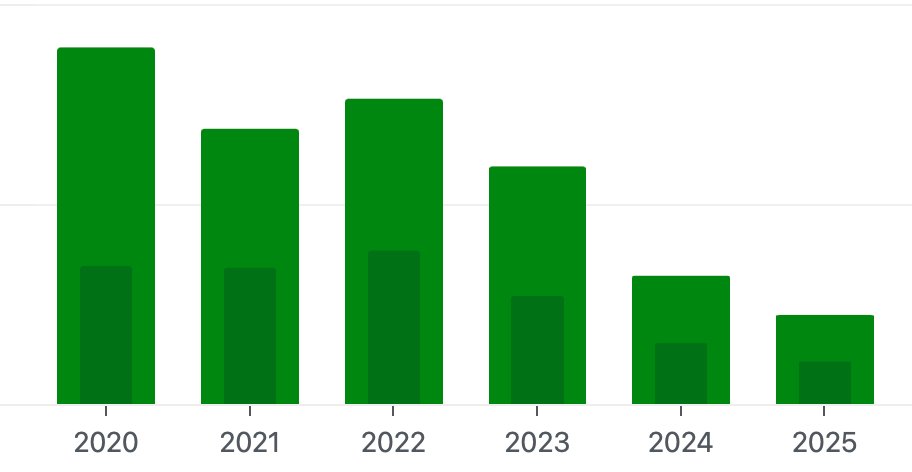 Source: 2025 AI Index, Stanford HAI
What’s new?
The rise of large language models has turned the traditional search‑and‑read workflow on its head. Instead of scrolling through MDN pages or spec PDFs, many developers now type a prompt into an IDE‑embedded chat and receive a ready‑to‑paste snippet. Traffic to classic documentation sites has been falling for years, and the latest AI‑index data shows a 30 % dip in front‑end technical‑writing queries since 2022.
Developer experience
From static docs to conversational assistants
- Prompt‑driven answers: Tools like GitHub Copilot, Cursor, and the new VS Code Chat extension generate code examples on the fly. They pull from the same specifications that power the official docs, but they surface the information in a conversational format that feels like a pair‑programming partner.
- Speed vs. depth: The instant answer is great for “how do I center a flex item?”, but it often skips the why—the design trade‑offs, browser quirks, and accessibility considerations that a human author would explain.
- Version awareness: AI models are trained on data that may be months old. When a new CSS feature lands in Chrome 128, the model might still suggest the previous syntax, leading to subtle bugs.
How writers can adapt their workflow
- Focus on context – Write articles that frame a problem, explore alternatives, and explain edge cases. A prompt like “show me a grid layout that works on Safari 15” will surface a generic example, but a nuanced discussion of Safari’s sub‑grid limitations adds real value.
- Leverage AI for low‑lift tasks – Use LLMs for spell‑checking, markdown‑to‑HTML conversion, or generating a table of contents. This frees time for the deep‑dive sections that only a human can craft.
- Publish version‑specific guides – Tag articles with the browser versions they target (e.g.,
Chrome 128+,Firefox 115‑). This helps both developers and the AI models surface the most accurate answer.
User impact
Why readers still need human‑written content
- Clarity over brevity: A developer reading a generated snippet may copy‑paste code that works, but without an explanation of why it works, they miss the mental model needed to adapt it later.
- Learning pathways: Humans excel at storytelling. When a writer walks a reader through a failed experiment, the lesson sticks far better than a sterile answer from an LLM.
- Trust and credibility: Readers can verify a human author’s reputation, see citations, and follow links to the original spec. AI‑generated text often lacks transparent sourcing, which can erode confidence.
Practical tips for writers aiming to stay relevant
- Add real‑world case studies – Show a project where a particular CSS trick saved bandwidth or improved accessibility. Include screenshots, performance numbers, and the thought process behind the decision.
- Cite sources liberally – Link to the official spec, MDN, and any relevant GitHub issues. Hyperlinks act as a “trust chain” that both humans and search engines appreciate.
- Embrace multimedia – Short GIFs or annotated screenshots illustrate concepts that are hard to convey in text alone. They also give search engines richer signals to surface your content.
- Iterate based on feedback – Monitor comments and community questions. When a pattern of confusion emerges, turn it into a follow‑up article that clarifies the point.
Looking ahead
AI will continue to automate the low‑effort parts of documentation, but the craft of translating complex standards into approachable narratives remains a uniquely human skill. By shifting focus toward contextual depth, version‑specific guidance, and authentic learning stories, technical writers can turn the AI wave into an ally rather than a threat.
Bottom line: Write for the human who will eventually read the AI‑generated answer. Provide the context, the why, and the confidence that only a seasoned developer can deliver.
If you found this perspective useful, consider supporting the writers who keep the front‑end community informed. Together we can ensure that the human voice stays loud in the age of AI.
Comments
Please log in or register to join the discussion