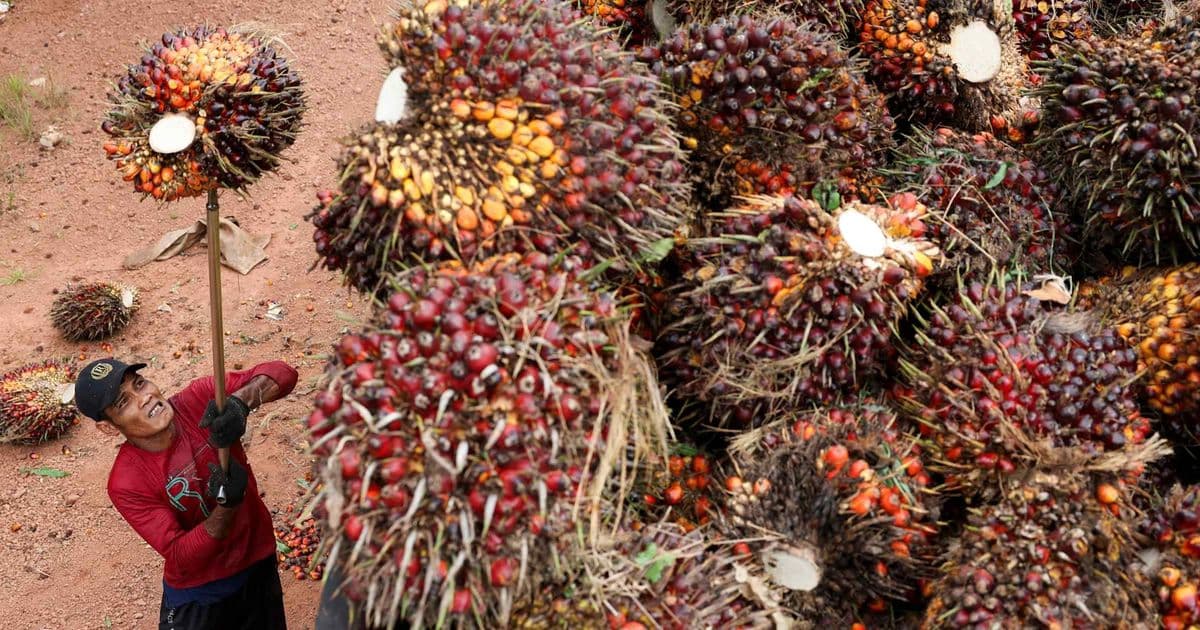
Jakarta has opened investigations into Wilmar, Musim Mas and Salim Ivomas for alleged under‑invoicing and transfer‑pricing of palm oil exports, a move that could tighten export controls, affect global supply, and reshape Indonesia’s commodity revenue stream.
Business news
Indonesia’s finance ministry announced on Tuesday that it is probing three of the country’s largest palm‑oil exporters – Wilmar International, Musim Mas, and Salim Ivomas – for possible under‑invoicing and transfer‑pricing of their shipments. The investigation follows a broader anti‑avoidance drive that began in early 2026, aimed at closing gaps in export documentation and ensuring that the state captures the full fiscal value of its flagship commodity.
Market context
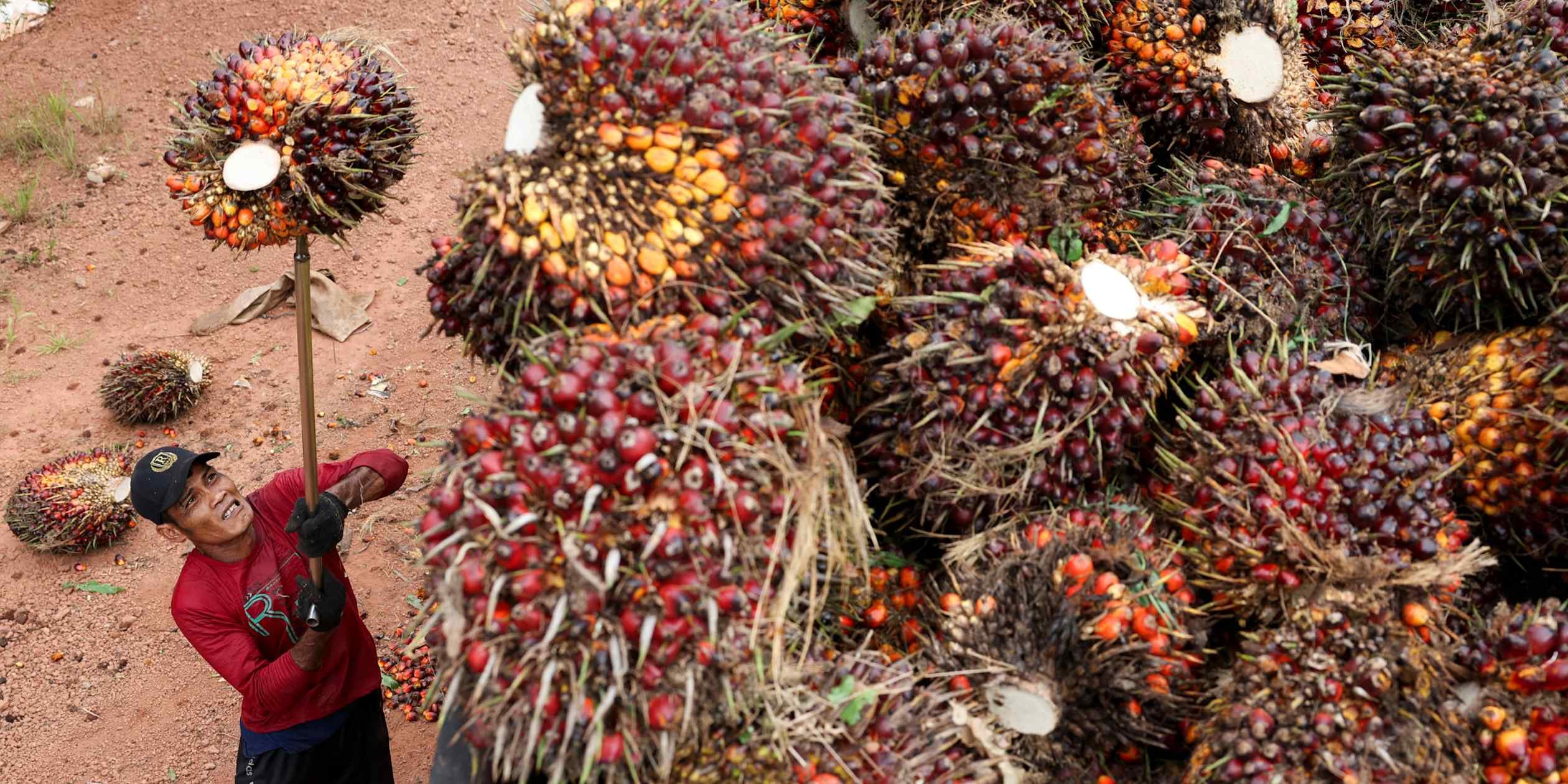
Indonesia produced 44.5 million metric tons of crude palm oil (CPO) in 2025, accounting for roughly 38 % of global supply. Export revenues from CPO averaged US$19 billion last year, making the sector the second‑largest source of foreign exchange after coal. The three firms under investigation together control an estimated 30 % of Indonesia’s CPO export volume, according to data from the Ministry of Trade.
Under‑invoicing – declaring a lower price on customs forms than the actual transaction value – can reduce payable export duties, which in Indonesia amount to 2.5 % of the declared FOB price. If the alleged practices are confirmed, the government could reclaim up to US$150 million in lost duties from the three companies alone, based on the Ministry’s preliminary estimates.
The crackdown coincides with a series of policy shifts:
- In March 2026 the Ministry of Finance tightened transfer‑pricing rules for commodity exporters, requiring arm‑length pricing documentation for all shipments above US$5 million.
- In April 2026 the government announced a pilot digital customs platform that will cross‑check invoice data with satellite‑derived export estimates, aiming to reduce manual verification errors.
- The European Union’s recent deforestation‑free supply‑chain regulation, effective from July 2026, has already pressured Indonesian exporters to improve traceability, adding another compliance layer.
What it means
- Revenue impact for exporters – Should the investigations lead to retroactive duty assessments, the three firms could face combined penalties of US$200 million or more, factoring in interest and fines. That would tighten profit margins in a sector already grappling with higher input costs, such as fertilizer price hikes of 12 % year‑on‑year.
- Supply‑side adjustments – To avoid further scrutiny, exporters may shift more processing capacity to downstream products (refined palm oil, oleochemicals) that fall under different tariff schedules. Early data from the Indonesian Palm Oil Association shows a 4 % rise in refined‑oil shipments in the first quarter of 2026.
- Investor sentiment – Wilmar’s share price slipped 3.2 % on the news, while Musim Mas and Salim Ivomas, both privately held, saw a slowdown in new financing rounds. International investors are likely to demand stronger governance clauses in future palm‑oil deals.
- Policy precedent – The government’s willingness to target major players signals a shift from the historically lenient enforcement environment. Smaller exporters may now face similar audits, potentially raising compliance costs across the sector by an estimated US$30 million annually.
- Global market ripple – Indonesia supplies roughly 3.5 million metric tons of CPO to the EU each month. Any disruption in export flows could tighten global palm‑oil prices, which have already risen 8 % since the start of 2026 due to weather‑related yield concerns in Malaysia.
The outcome of these investigations will likely set the tone for Indonesia’s broader commodity‑tax strategy. If the government successfully recovers lost duties and enforces stricter pricing documentation, it could boost fiscal receipts by 1–2 % of total export earnings, providing a modest buffer against the country’s widening current‑account deficit.
For market participants, the key takeaway is to anticipate tighter compliance requirements, reassess pricing models for export contracts, and monitor any further regulatory announcements from Jakarta’s finance and trade ministries.
Comments
Please log in or register to join the discussion