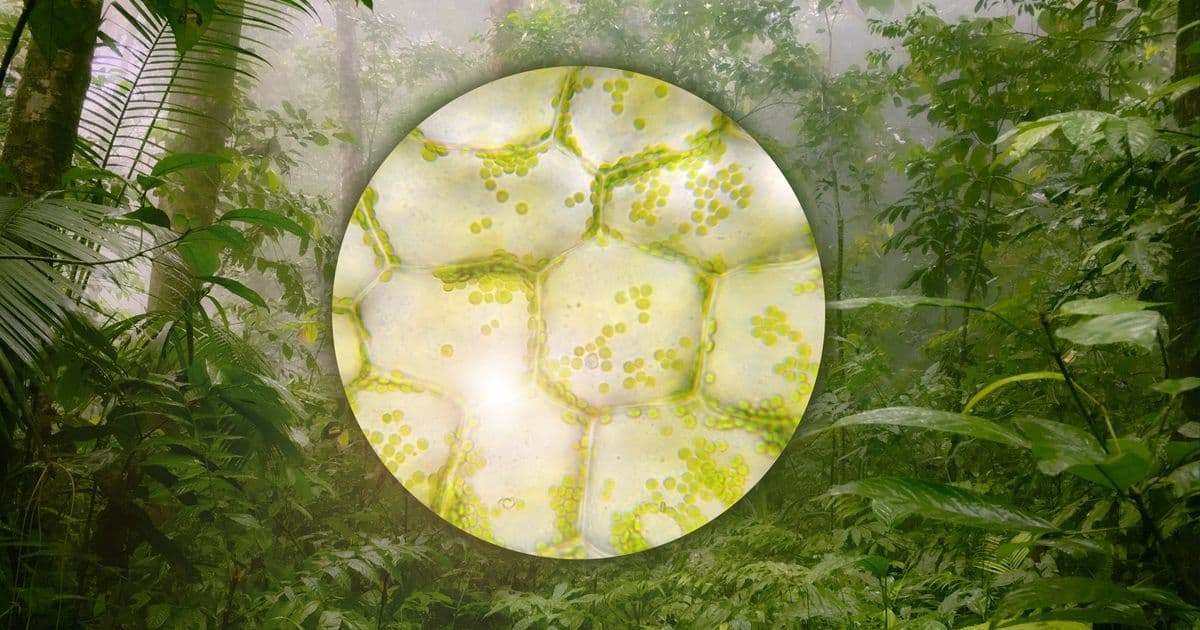
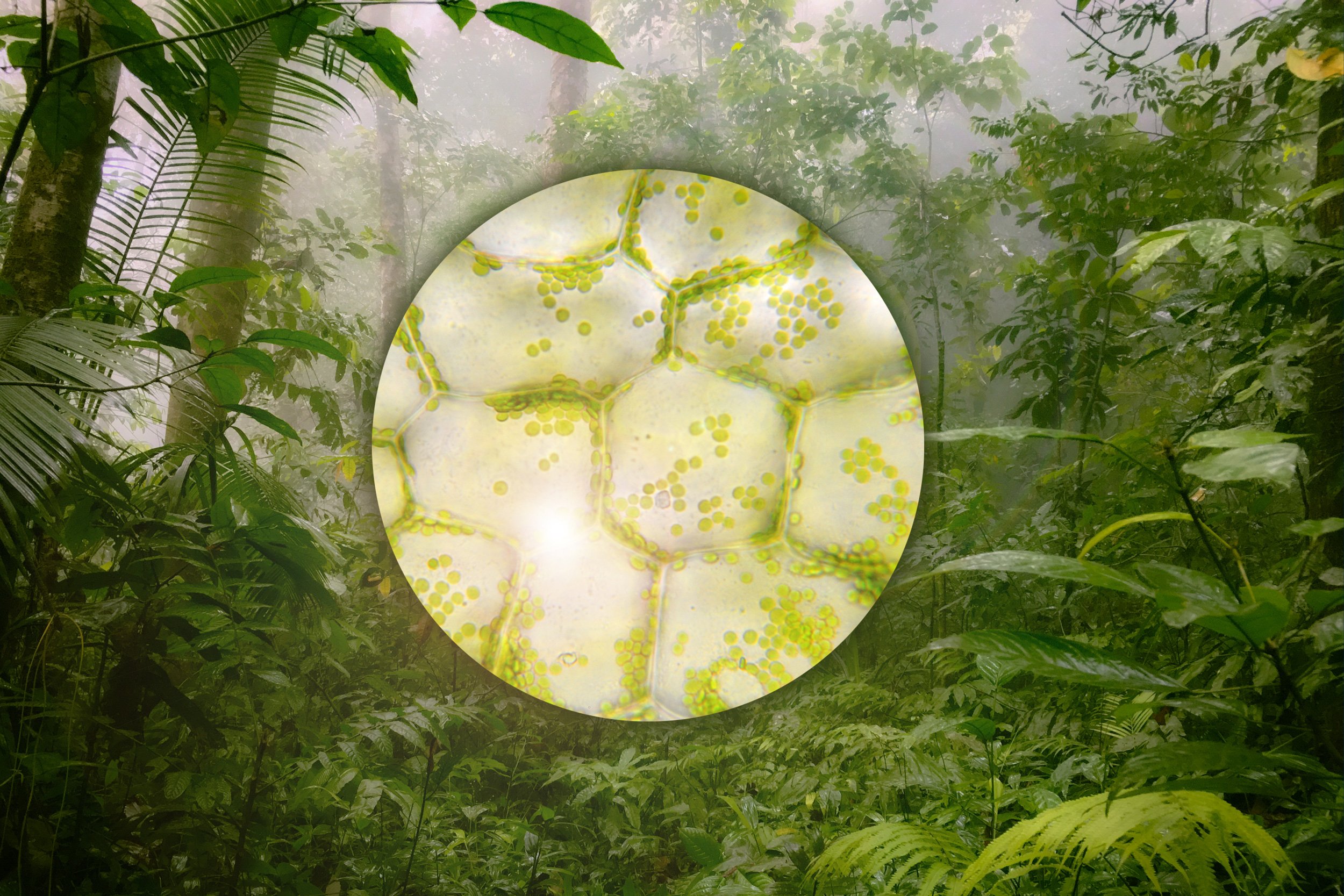
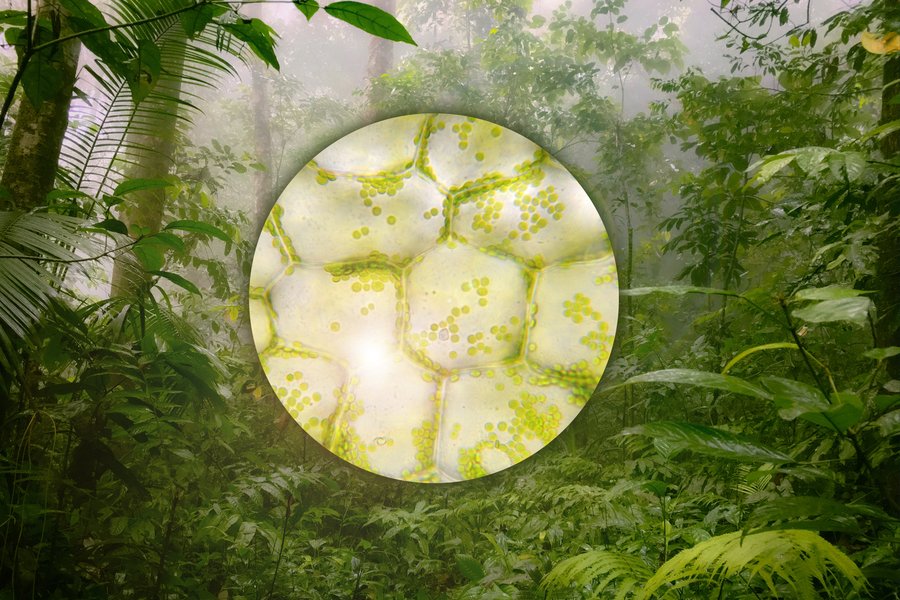
Foray Bioscience, founded by MIT alumna Ashley Beckwith, is pioneering a revolutionary approach to plant production using single-cell biomanufacturing powered by artificial intelligence. The company's technology aims to protect endangered plant species while meeting growing industrial demand for plant-based materials, from pharmaceuticals to sustainable wood alternatives.
The soapbark tree, native to a narrow strip of land along Chile's Andes mountains, has been used by Indigenous communities for centuries for its medicinal properties. Modern science has discovered that compounds from this tree's bark are powerful immune boosters, leading to their use in the world's first malaria vaccine and in enhancing vaccines for shingles, Covid-19, and cancer. But unsustainable harvesting has pushed the species to the brink of extinction, forcing the Chilean government to severely restrict lumbering.
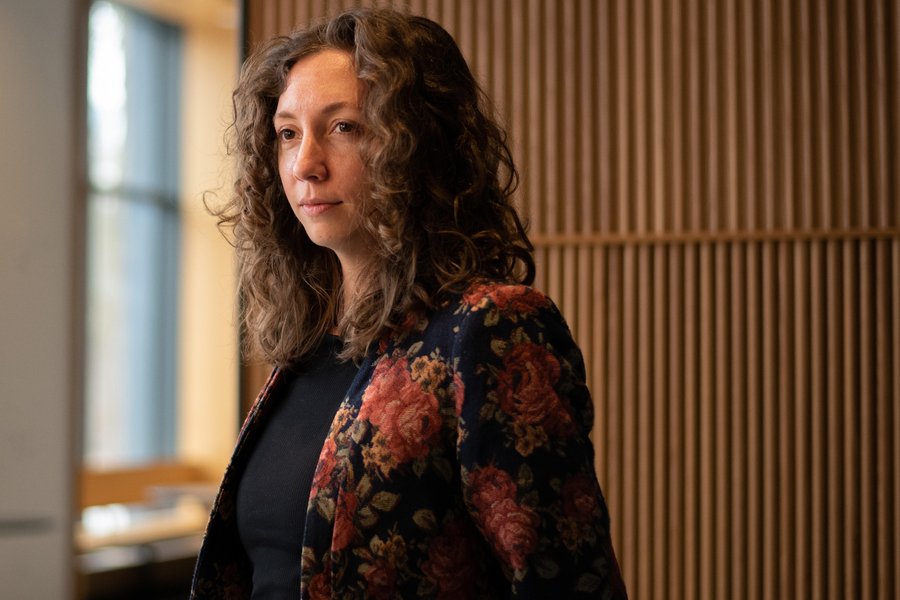
This story exemplifies a global crisis: plants form the foundation of industries ranging from pharmaceuticals to forestry, yet approximately 45 percent of plant species face extinction. Meanwhile, human demand for plant products continues to rise. Ashley Beckwith SM '18, PhD '22, believes the solution lies in fundamentally rethinking how we grow plants.
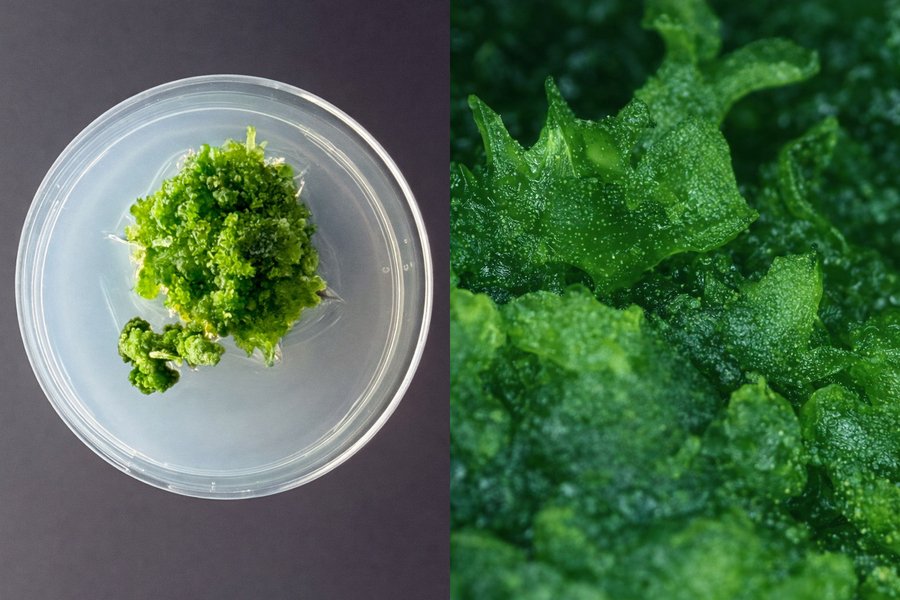
Beckwith's company, Foray Bioscience, is pioneering a revolutionary approach that could transform plant production. Instead of harvesting from mature plants, Foray is developing technology to grow any plant or plant product from single cells using biomanufacturing powered by artificial intelligence. The company has already created molecules, materials, and even fabricated seeds through partnerships with academic researchers, nurseries, conservationists, and companies.
One particularly promising collaboration involves West Coast Chestnut nursery, where Foray is working to deploy a more disease-resistant version of the American chestnut trees that once dominated eastern U.S. forests before being wiped out by blight. This project demonstrates how AI and plant science can be combined to protect valuable plant populations while meeting human needs.
Beckwith's journey to founding Foray began during her master's studies in MIT's Department of Mechanical Engineering, where she focused on biology and materials manufacturing. Her research involved building platforms for precision treatments in human diseases. After graduating, she worked on a regenerative farm that mimicked natural ecosystems, which sparked the idea of applying her engineering expertise to plant systems.
Returning to MIT for her PhD in the lab of Research Scientist Luis Fernando Velásquez-García in the Department of Electrical Engineering and Computer Science, Beckwith began exploring whether the tissue engineering approaches used to grow human organs for transplants could be applied to plants. "What if we could do something similar for our plant systems?" she wondered.
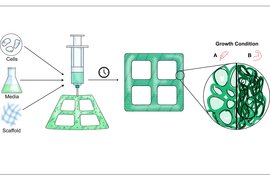
Her doctoral research demonstrated that wood-like plant material could be grown in a lab by adjusting specific chemicals to control properties like stiffness and density. "I was thinking about how we build products, like wood, from the cell up instead of extracting from the top down," Beckwith recalls. This foundational work became the basis for Foray's current technology.
However, Beckwith quickly realized that while the concept was powerful, scaling it would require a sophisticated digital infrastructure. She compares her early lab-grown wood innovation to "Uber if there were no internet"—a great idea without the technological backbone to scale effectively.
To address this challenge, Foray is building the Pando AI platform, which Beckwith describes as "a Google Maps for plant growth." The platform helps scientists navigate the complex landscape of variables involved in steering plant cells to produce specific products. With potentially 50 different variables to tweak for each desired outcome, exploring all possibilities manually would take a lifetime. Pando accelerates this process dramatically.
The company's interdisciplinary team includes experts in plant biology, artificial intelligence, machine learning, computational biology, and process engineering. "This is a very intersectional problem," Beckwith notes. "One of the most exciting things for me is building this highly capable team that is able to deliver solutions that could never be created in a silo."
After a year of pilot collaborations, Foray is preparing for a broader public launch of its Pando platform. The company envisions serving as an innovation engine across multiple sectors, including agriculture, materials, pharmaceuticals, and conservation.
One of Foray's most exciting capabilities is the production of fabricated seeds. "Being able to grow seeds from cells lets you create really timely and scalable seed supplies to address gaps in restoration, or shorten the path to market for new, resilient crop varieties," Beckwith explains. "There's a lot to be gained by making our plant systems more adaptive."
The implications of this technology extend far beyond individual species conservation. Plant systems underpin virtually every aspect of human life—the air we breathe, the food we eat, the clothes we wear, and the homes we live in. Yet these systems are increasingly fragile and in decline. Foray's approach offers a path to ensure lasting access to the plant products and ecosystems we depend on.
Looking ahead, Beckwith envisions Foray becoming "the operating system for all of plant science," making it possible to build anything from a single plant cell. "Right now, we're focused on plants in labs," she says. "In five years, we aim to be the operating system for all of plant science, making it possible to build anything from a single plant cell."
This ambitious goal reflects a fundamental shift in how we might produce plant-based materials in the future. Instead of extracting resources from mature plants—often at the cost of entire species—we could grow exactly what we need, when we need it, with minimal environmental impact. The technology could help address urgent challenges ranging from pharmaceutical shortages to climate change adaptation, all while protecting the biodiversity that sustains our planet.
As Foray's products scale and more researchers adopt its platform, the company hopes to help the plant science industry respond to some of our planet's most pressing challenges. By combining the precision of engineering with the complexity of biology, and leveraging the power of artificial intelligence, Foray Bioscience is working to create a more resilient future for plants—and for the humans who depend on them.
Comments
Please log in or register to join the discussion