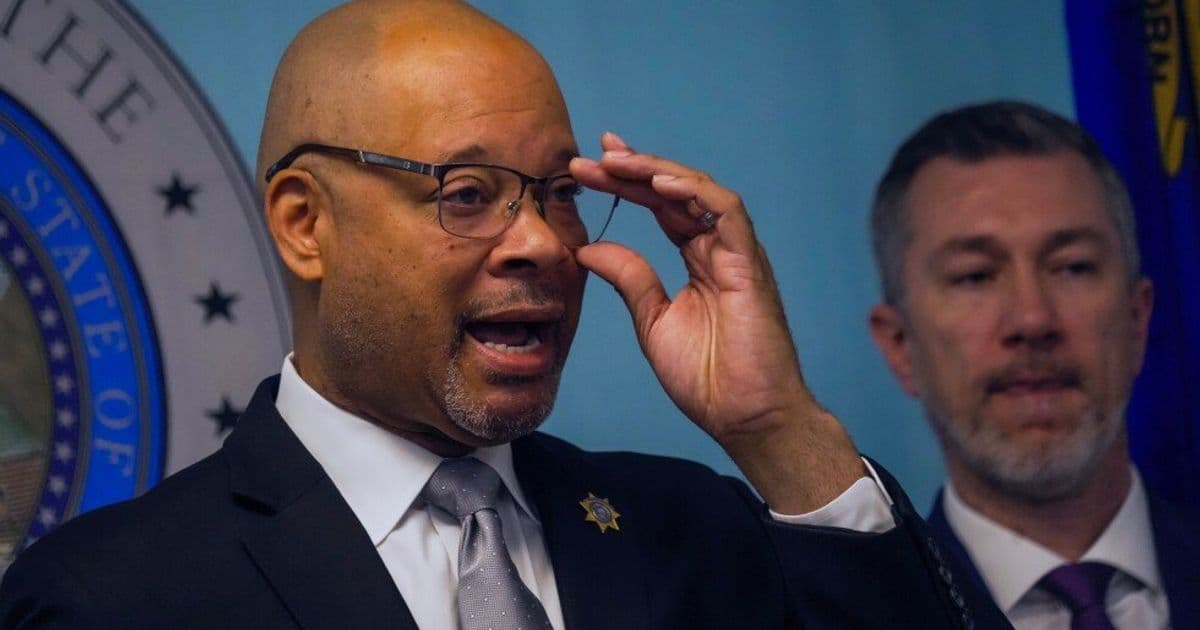
Nevada's settlement with Roblox requiring platform-wide age verification and a $12.5M payment marks another significant step in regulatory efforts to protect minors online, highlighting tensions between safety, privacy, and user experience that are reshaping how major platforms approach child safety.
Roblox's agreement to pay $12.5 million and implement age verification for all users as part of a settlement with Nevada over child protection claims continues a pattern of platforms facing heightened scrutiny over young user safety. The settlement, announced by Jessica Hill of the Associated Press, requires Roblox to deploy age verification across its entire user base—not just for accounts suspected of being underage—and includes financial penalties for alleged failures to adequately safeguard children on the platform.
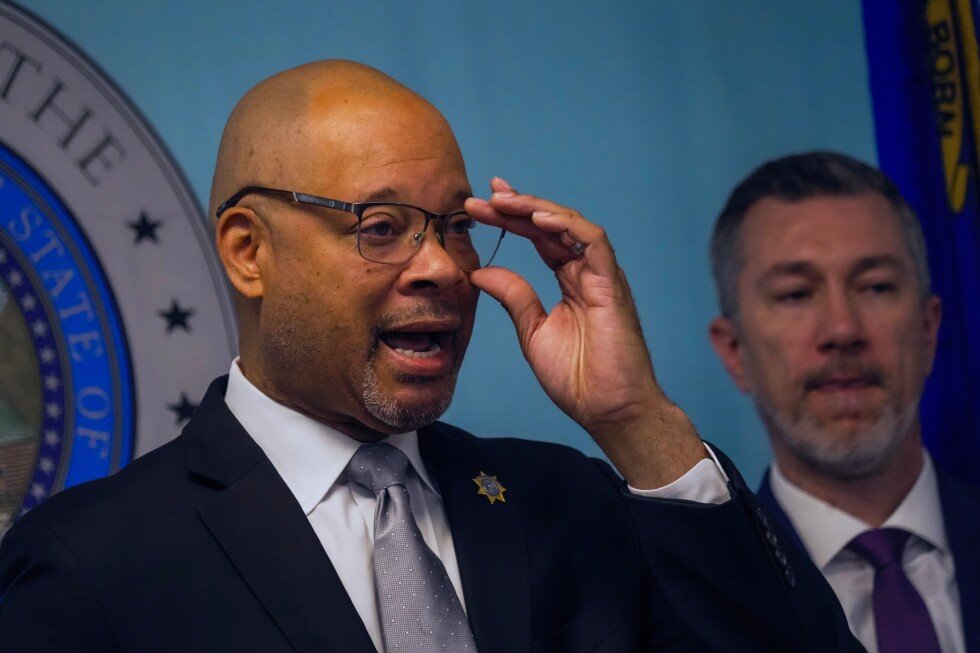
This development follows similar actions against other major platforms. TikTok settled with the FTC in 2023 for $9.2 million over children's privacy violations, while YouTube paid $170 million in 2019 for COPPA violations. What distinguishes the Roblox case is the mandate for universal age verification—a measure that extends beyond targeted interventions to affect every user, regardless of stated age. Nevada Attorney General Aaron Ford emphasized that the settlement aims to ensure "Roblox takes meaningful steps to verify the ages of its users and provide appropriate safeguards," particularly given that over 50% of Roblox's daily active users are under 13 according to the company's own disclosures.
From a technical perspective, implementing age verification at Roblox's scale presents significant challenges. The platform would need to integrate verification systems capable of handling millions of daily users while minimizing friction. Industry-standard approaches often rely on government ID checks, credit card validation, or third-party verification services (like those offered by Jumio or Onfido), each raising distinct concerns about data privacy, accessibility for users without formal identification, and potential barriers to entry for younger creators who form a vital part of Roblox's ecosystem.
Community response reveals clear fault lines. Parent advocacy groups like Common Sense Media have welcomed the move as necessary progress, arguing that voluntary measures have proven insufficient. "Platforms profit from young users but have resisted robust safeguards that might impact engagement," noted one child safety researcher in a recent forum discussion. Conversely, teen users and young developers have expressed frustration on Reddit and Twitter, citing concerns about privacy erosion and the inconvenience of verification processes interrupting gameplay. Some Roblox creators worry that verification requirements could disproportionately affect users in regions with limited access to government-issued ID, potentially excluding international participants from the platform's developer economy.
Counter-arguments question both the efficacy and proportionality of such measures. Privacy advocates from the Electronic Frontier Foundation warn that mandatory age verification creates centralized databases of sensitive identification data attractive to breach—and function creep risks where verification data gets repurposed for advertising or other non-safety purposes. Technical skeptics point out that determined bad actors can circumvent verification through synthetic identities or borrowed credentials, while legitimate users—particularly those without access to traditional ID systems—face exclusion. A software engineer commenting on Hacker News observed that "verification often becomes a security theater exercise that burdens law-abiding users while doing little to stop sophisticated bad actors."
This settlement signals a broader regulatory shift where platforms may no longer rely solely on self-reported birthdates or parental consent mechanisms. As more states consider age-appropriate design codes (following California's AB 2273, though currently stalled in courts), and federal COPPA updates gain traction, universal verification could become an industry expectation rather than an exception. For Roblox specifically, the challenge lies in implementing verification that satisfies regulators without undermining the open, creative environment that defines its appeal—particularly for the young developers whose innovations drive much of the platform's value. The outcome may well set a precedent for how balancing safety, accessibility, and user experience unfolds across the evolving landscape of user-generated content platforms.
Comments
Please log in or register to join the discussion