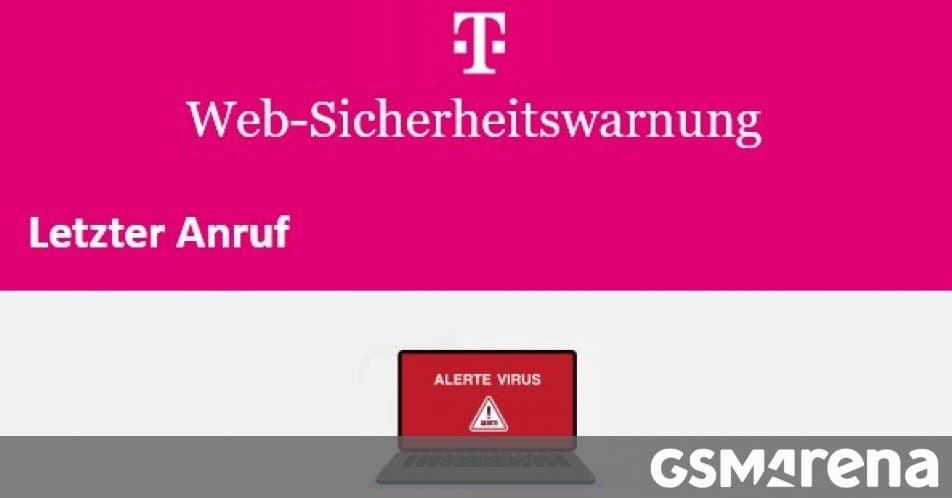
GSMArena confirms it's not sending spam emails to T-Online users, as cybercriminals spoof the site's domain to promote fake cybersecurity subscriptions and smart rings.
GSMArena has issued an urgent warning to its readers after discovering a widespread spam campaign impersonating the popular tech review site, specifically targeting T-Online users in Germany. The fraudulent emails, which appear to come from GSMArena.com addresses, are promoting fake cybersecurity subscriptions and smart rings to unsuspecting recipients.
The Scope of the Impersonation
The spam campaign came to light when multiple T-Online.de users contacted GSMArena's team directly, reporting suspicious emails that appeared to originate from the tech site. Upon investigation, the GSMArena team confirmed they have no connection to these messages and are actively working to alert affected users about the scam.
According to the company, the emails are being sent from IP addresses belonging to Microsoft's and Oracle's cloud networks - specifically 52.103.140.27 and 92.5.13.127. These addresses are not part of GSMArena's legitimate infrastructure, indicating the spammers are using cloud hosting services to mask their operations.
How the Spoofing Works
The cybercriminals behind this campaign are employing a technique called email spoofing, where they falsify the sender's address to make it appear as though the message comes from a trusted source. In this case, the emails are being sent from what appears to be a GSMArena.com address - specifically [email protected] - but this account doesn't actually exist on the company's servers.
The random string of characters in the email address is a clear indicator that the spammers are generating fake addresses programmatically. This tactic is designed to bypass basic spam filters while maintaining the appearance of legitimacy to unsuspecting recipients.
Why This Matters to Users
Email spoofing campaigns like this pose significant risks to consumers. Beyond the immediate annoyance of unsolicited marketing messages, these emails could potentially:
- Lead users to phishing websites designed to steal personal information
- Install malware through malicious links or attachments
- Trick users into purchasing non-existent products or services
- Compromise account credentials if users attempt to "verify" their information
The fact that these emails are specifically targeting T-Online users suggests the spammers have identified this demographic as particularly vulnerable or valuable for their scheme.
Technical Safeguards and Limitations
GSMArena has implemented several technical measures to combat email spoofing, including setting their SPF (Sender Policy Framework) policy to "hardfail." This configuration tells email providers that any message not sent from GSMArena's authorized servers should be treated as fraudulent.
However, the company acknowledges that these protections have limitations. "There isn't much we can do on our end to prevent this spam, as it's enabled by the inadequate policies of the email providers," the GSMArena team stated. They emphasize that the responsibility ultimately falls on email service providers to implement robust anti-spoofing measures.
Industry-Standard Anti-Spoofing Tools
The GSMArena team outlined several established technologies that could help combat this type of fraud:
Reverse DNS checks: These verify that the sender's IP address is authorized to send emails on behalf of a particular domain
SPF (Sender Policy Framework): Defines which mail servers are permitted to send email on behalf of a domain
DKIM (DomainKeys Identified Mail): Adds digital signatures to emails to verify they haven't been tampered with
DMARC (Domain-based Message Authentication, Reporting & Conformance): Builds on SPF and DKIM to provide reporting and policy enforcement
Despite having these tools available, the GSMArena team reports that modern spam filters should have blocked these emails, suggesting either the spammers are finding ways around these protections or email providers aren't implementing them effectively.
What Users Should Do
If you've received one of these suspicious emails, GSMArena recommends taking the following steps:
- Do not click any links or download attachments - these could contain malware or lead to phishing sites
- Contact your email provider's support team - report the spam so they can investigate and potentially block the sender
- Mark the email as spam - this helps train your email provider's filters
- Be skeptical of unsolicited offers - especially those claiming to be from well-known tech sites
The Broader Context
This incident highlights the ongoing challenges tech companies face in protecting their brand reputation and user trust. Email spoofing remains a persistent problem despite the availability of technical solutions, and it requires coordinated action from domain owners, email providers, and users to effectively combat.
For GSMArena, a site that has built its reputation over decades of providing reliable tech reviews and news, having its brand exploited for spam campaigns is particularly damaging. The company's transparent response and detailed technical explanation demonstrate their commitment to user protection and brand integrity.
The spam campaign targeting T-Online users serves as a reminder that even established, trusted brands can be impersonated, and users should always verify the authenticity of unexpected communications, especially those containing commercial offers or requests for personal information.
Comments
Please log in or register to join the discussion