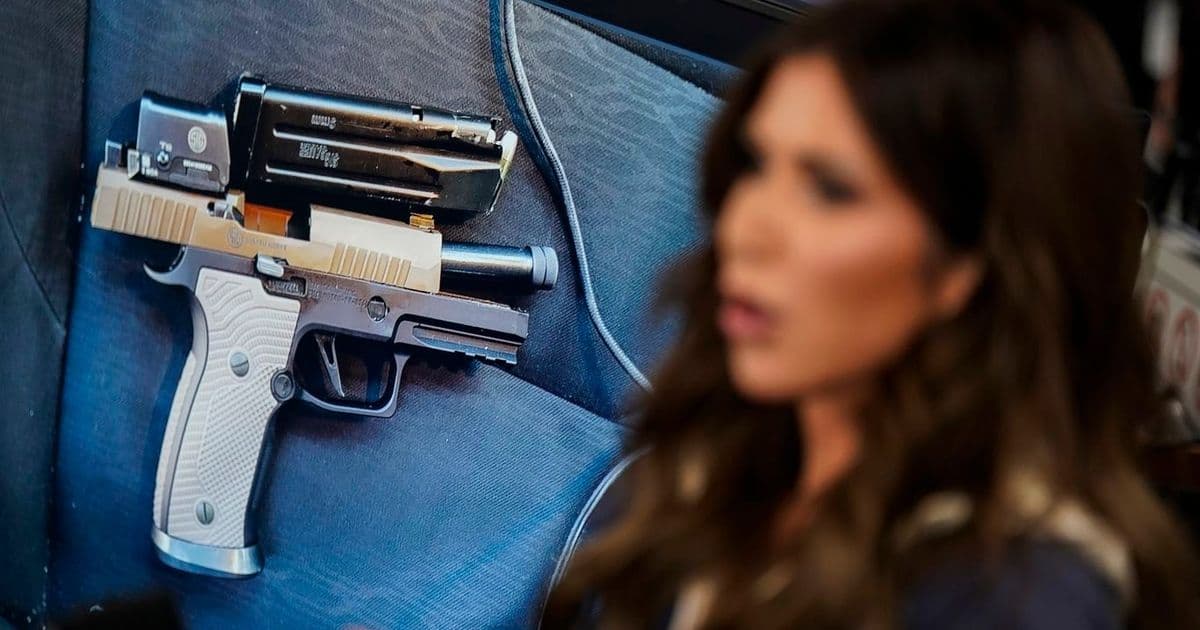
Following the fatal shooting of Alex Pretti by Border Patrol agents in Minneapolis, gun rights organizations are raising questions about the use of force and the legal framework governing armed encounters with federal agents.
The shooting of Alex Pretti, an ICU nurse, by U.S. Border Patrol agents in Minneapolis has ignited a debate among gun rights advocates and legal experts. The incident, which occurred during a federal operation, is now being scrutinized by groups like the Firearms Policy Coalition and the Second Amendment Foundation, who are challenging the circumstances under which a legally armed individual was killed.
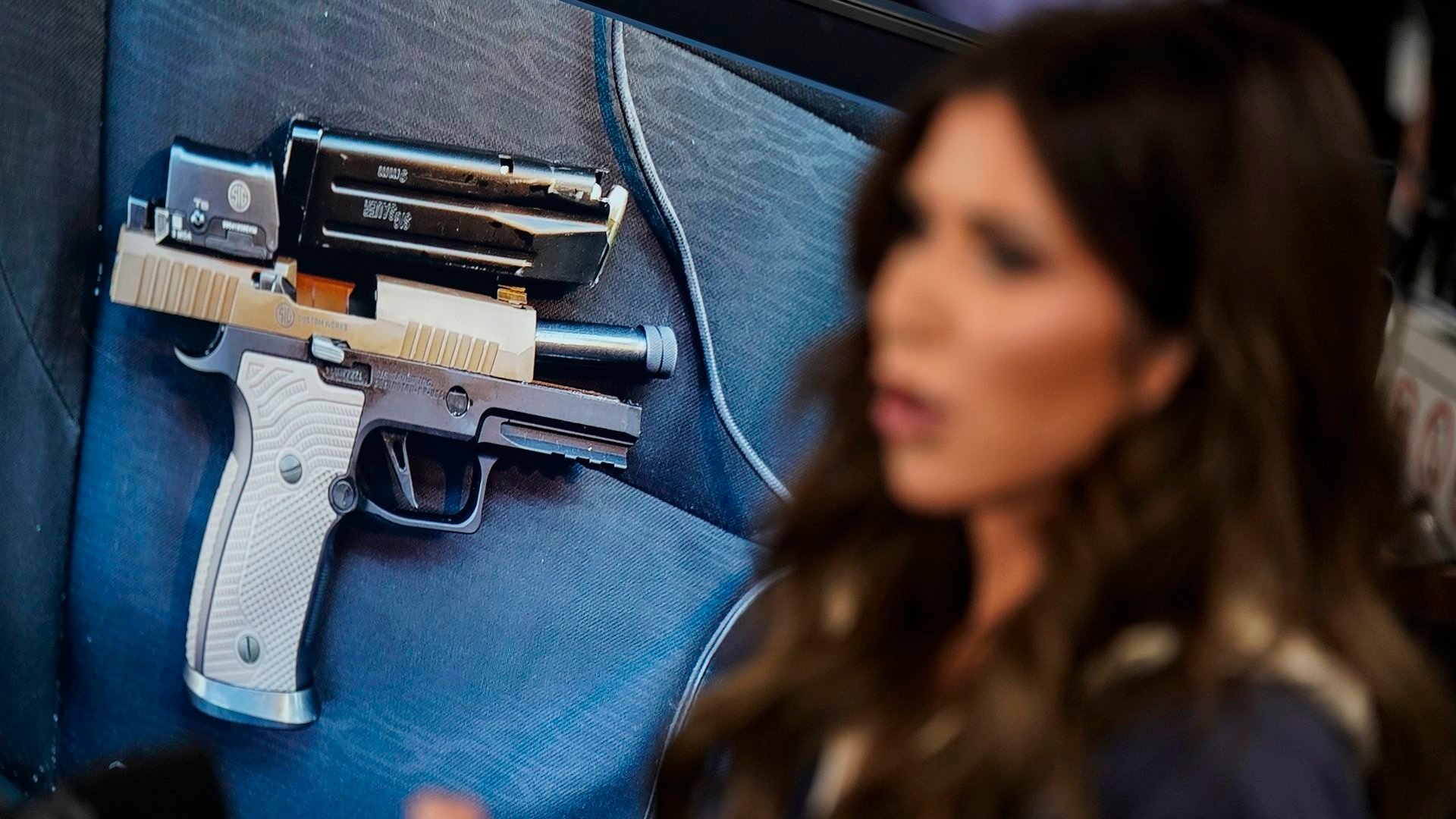
Homeland Security Secretary Kristi Noem addressed the shooting at a news conference in Washington, emphasizing the ongoing investigation. The incident involved federal agents from the Border Patrol, a unit primarily tasked with border security but which also operates in interior locations under certain federal mandates. The shooting has raised questions about the protocols for armed encounters between federal agents and civilians, particularly in states with permissive gun laws like Minnesota.
Gun rights groups are focusing on the legal and procedural aspects of the shooting. They argue that the use of lethal force must be justified under strict standards, and they are calling for transparency in the investigation. The Second Amendment Foundation has stated that the incident highlights potential conflicts between federal law enforcement operations and state-level gun rights protections. Legal experts note that while federal agents have broad authority, the use of force must align with constitutional standards, including the Fourth Amendment's protection against unreasonable seizures and the use of deadly force only when necessary to prevent imminent harm.
The broader context involves the increasing role of federal agencies in local law enforcement, a trend that has accelerated in recent years. Border Patrol agents, for example, have been deployed to cities like Minneapolis as part of broader immigration enforcement efforts. This expansion has led to tensions with local communities and raised concerns about accountability and oversight. Gun rights groups are leveraging this incident to advocate for clearer guidelines on how federal agents should interact with armed civilians, especially in states where carrying firearms is legal.
Financial and strategic implications for law enforcement agencies are also at play. The Department of Homeland Security (DHS) faces potential legal challenges and public relations fallout, which could impact its budget and operational priorities. The incident may also influence legislative efforts at both state and federal levels, with gun rights advocates pushing for laws that limit federal intervention in local gun-related matters. Conversely, law enforcement unions may argue for expanded authority to ensure officer safety.
The shooting underscores the complex interplay between federal authority and state gun laws. Minnesota, like many states, has "constitutional carry" laws allowing adults to carry firearms without a permit. This legal landscape complicates encounters between armed civilians and federal agents, as the agents must assess threats in a split second. Gun rights groups are calling for enhanced training for federal agents on state gun laws and de-escalation techniques to prevent similar incidents.
As the investigation continues, the outcome could set a precedent for future cases involving federal agents and armed civilians. The legal challenges mounted by gun rights organizations may lead to court rulings that clarify the boundaries of federal authority and the rights of gun owners. This case is a critical test of how the Second Amendment is applied in practice, especially in scenarios involving federal law enforcement.
For more information on the incident and ongoing developments, readers can refer to the official statements from the Department of Homeland Security and the Second Amendment Foundation. Legal analyses and updates on the case are available through Firearms Policy Coalition and other advocacy groups focused on gun rights and law enforcement accountability.
Comments
Please log in or register to join the discussion