
Hannspree's Lumo tablet combines e-reader sunlight readability with Android functionality using a reflective LCD display, though compromises emerge in battery life and resolution.

The Hannspree Lumo enters the tablet market with a unique proposition: merging the sunlight readability of e-readers with full Android functionality. At its core is a 7.8-inch reflective LCD (rLCD) that fundamentally changes how the device consumes power and interacts with light. Unlike conventional tablets that rely on power-hungry backlights, the Lumo's display reflects ambient light like paper or e-ink screens. This technology enables clear visibility even under direct sunlight while drastically reducing power consumption.
What's immediately noticeable is the tablet's featherweight design at just 8.82 ounces (250g). This portability stems partly from the rLCD's lack of backlight components and the modest 3000mAh battery. Hannspree includes an optional front light for low-light environments, which automatically adjusts brightness based on ambient conditions. When activated at maximum setting, expect about 6.5 hours of runtime - a figure that pales against e-readers lasting weeks but surpasses typical LCD tablets in efficiency per milliampere-hour.
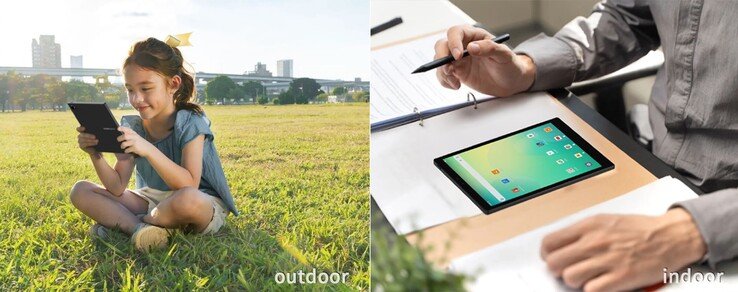
Performance comes from MediaTek's Helio G99 platform, pairing two Cortex-A76 cores (2.2GHz) with six Cortex-A55 cores. This octa-core configuration handles Android 14 smoothly for basic tasks like web browsing and document editing, though graphic-intensive apps reveal the display's limitations. The 1024 x 768 resolution translates to just 163 PPI - noticeably grainier than modern tablets but comparable to entry-level e-readers. Touch responsiveness supports both finger input and an optional pressure-sensitive stylus, enabling note-taking directly on the reflective surface.
When comparing the Lumo to alternatives, positioning becomes clear. Against e-readers like the Kindle Paperwhite, the Lumo offers superior versatility with full Android app access and color reproduction (rLCD supports color unlike e-ink). But it trails in battery endurance and text sharpness. Versus conventional tablets like the base iPad, the Lumo wins in outdoor visibility and weight, yet loses in processing power, display resolution, and camera quality (5MP front/8MP rear).
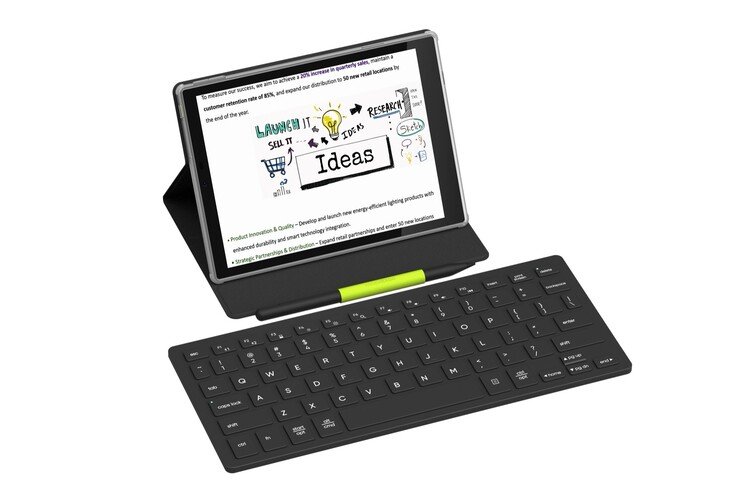
The €369 price positions it as a premium e-reader alternative rather than a mainstream tablet competitor. Hannspree's decision to use an open-source Android 14 build ensures Google-free operation but may impact app compatibility long-term.
This tablet serves specific users exceptionally well: outdoor professionals needing sunlight-readable schematics, students who annotate documents in bright libraries, or travelers wanting media consumption without glare struggles. For these users, the display technology justifies the trade-offs. However, those prioritizing gaming, media editing, or all-day battery should consider conventional alternatives. Hannspree's implementation proves rLCD's viability for hybrid devices, though future iterations would benefit from higher resolution and expanded battery capacity.
Comments
Please log in or register to join the discussion