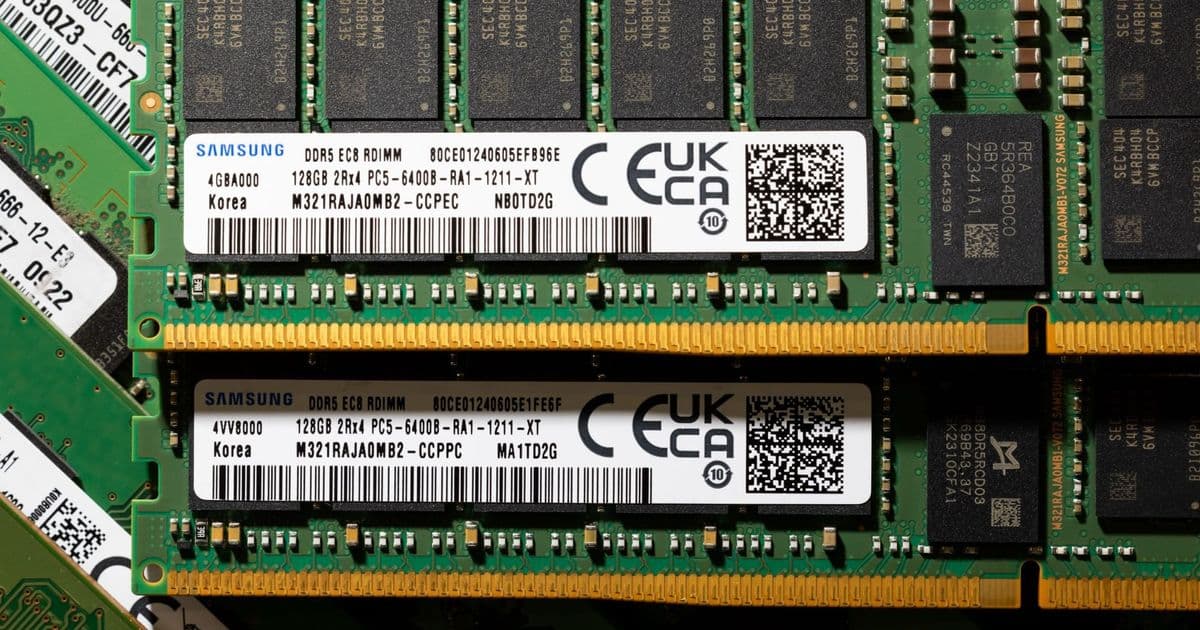
European data center operator Hetzner will increase cloud and server prices by up to 37% starting April 2026, citing soaring hardware acquisition costs driven by AI-driven memory shortages.
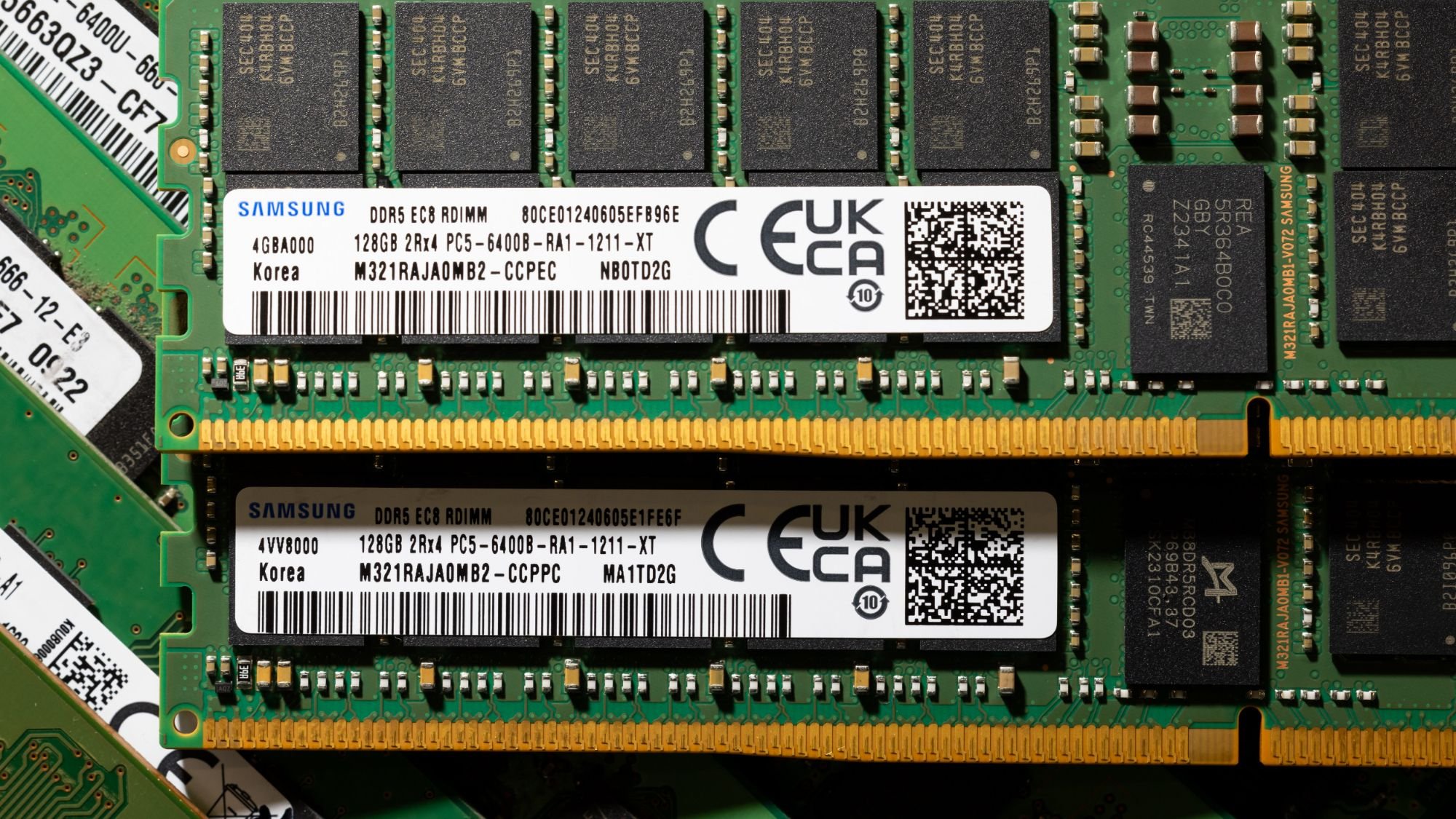
German infrastructure provider Hetzner announced today that it will implement substantial price increases across its global cloud, dedicated server, storage, and load balancing services effective April 1, 2026. The hikes—ranging from 11% to 37% depending on product tier—represent the company's second pricing adjustment this month and directly correlate with unprecedented inflation in hardware component costs, particularly DRAM modules essential for server operation.
Technical specifications reveal stark increases across Hetzner's product lines. Entry-level cloud instances like the CX23 in Germany and Finland will jump from €2.99 to €3.99 monthly (33% increase), while Arm-based CAX instances see comparable hikes. Higher-tier offerings face even steeper climbs: The CCX dedicated-vCPU lineup rises approximately 30% in U.S. data centers, and GPU-accelerated servers like the GEX44 surge from €182.30 to €212.30 monthly (16.5% increase). Storage services aren't spared, with object storage base pricing escalating 30% from €4.99 to €6.49 monthly. Hetzner explicitly attributes these adjustments to "drastic price increases in various areas in the IT sector," following a February 2 increase to setup fees for similar reasons.
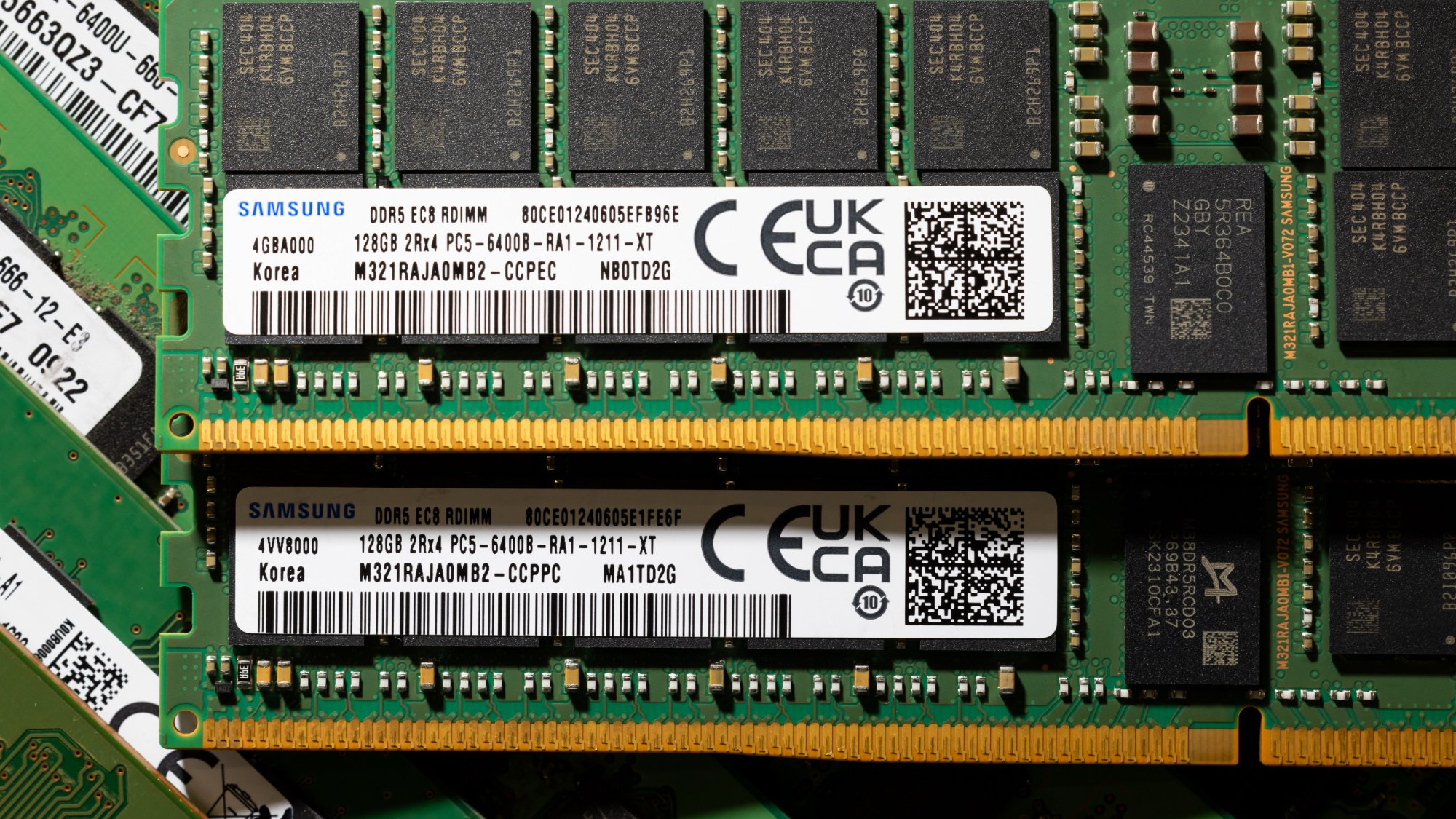
These increases occur against a backdrop of severe memory supply constraints. Industry data shows DRAM contract prices surged 171% year-over-year through 2025 as AI infrastructure expansion monopolizes production capacity. High-Bandwidth Memory (HBM) used in AI accelerators consumes 3-5x more silicon wafer area than standard DDR5 DRAM, diverting fab resources from commodity memory production.  Samsung's server DRAM contract prices rose up to 60% during this period, while Dell executives recently warned investors of "unprecedented" memory shortages. This supply-demand imbalance stems from AI data centers, which now consume over 30% of global DRAM output according to TrendForce analysts—a figure projected to exceed 50% by 2027.
Market implications extend beyond Hetzner. European competitor OVHcloud forecasts 5-10% price increases through mid-2026, though Hetzner's adjustments are notably steeper due to its heavier reliance on cost-efficient hardware configurations. The April 1 effective date provides existing customers five weeks' notice before new rates apply. With TSMC and Samsung accelerating HBM3E production while deferring DDR5 capacity expansions, industry analysts expect sustained pressure on cloud providers' margins through 2027. As memory allocation increasingly favors AI builders, traditional cloud services face structural cost increases that challenge their low-margin business models.

Luke James is a technology journalist specializing in semiconductor markets and hardware economics.
Comments
Please log in or register to join the discussion