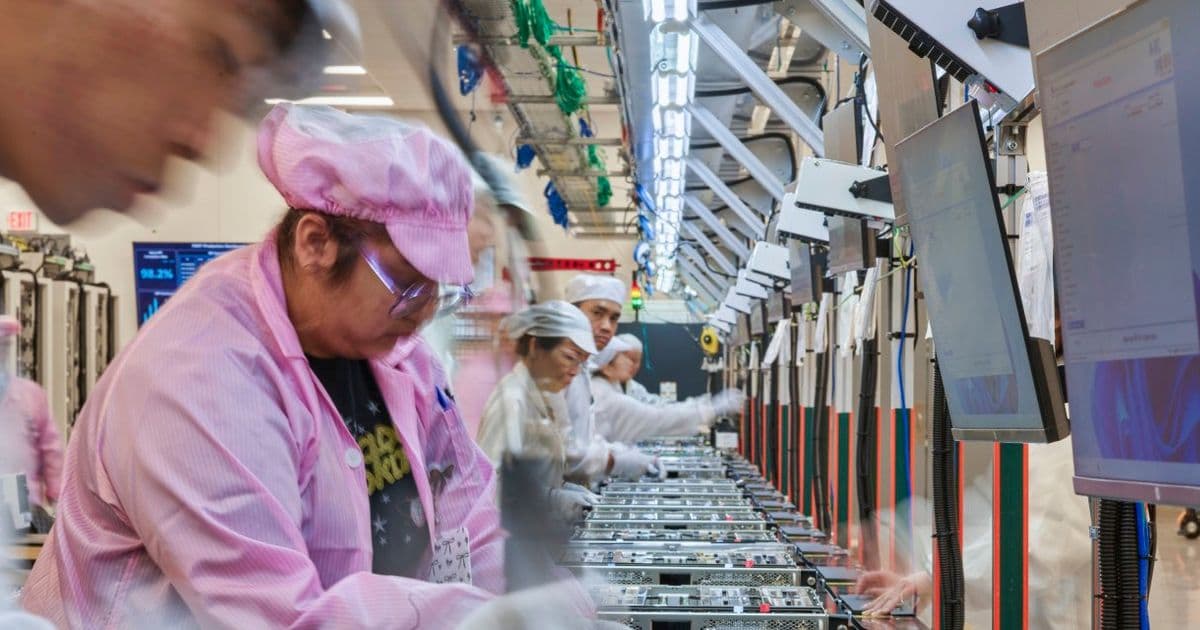
Apple's commitment to purchase over 100 million chips from TSMC's Arizona facility signals a major shift in semiconductor geopolitics, but economic and technical hurdles remain.
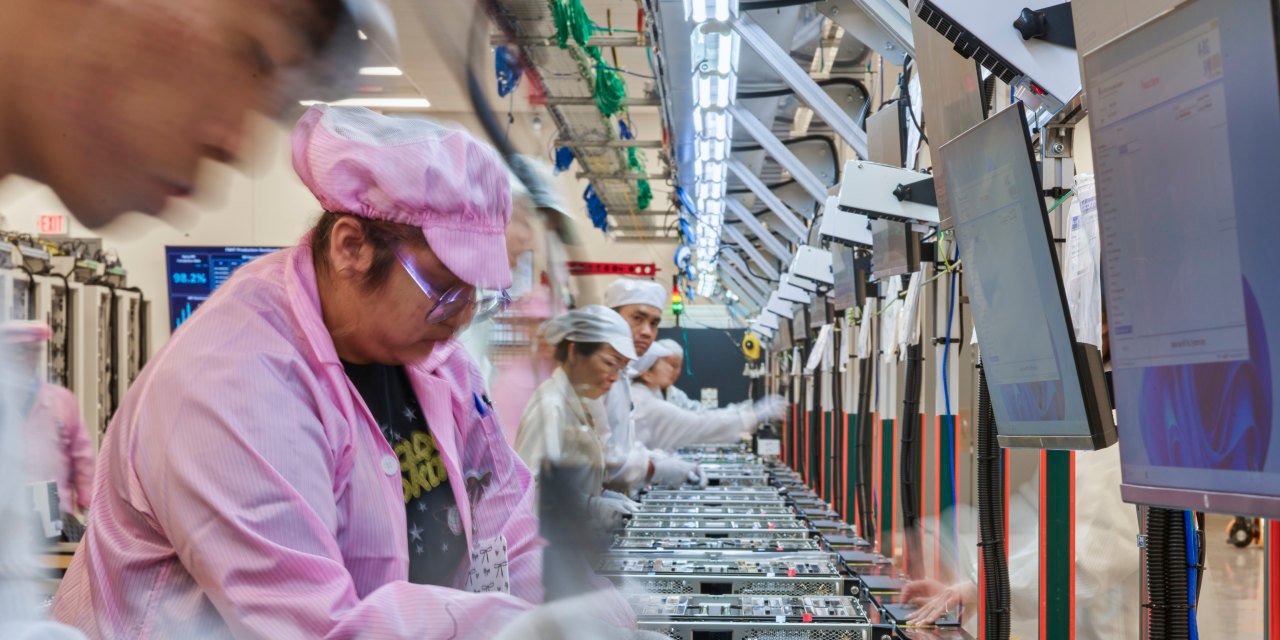
Apple's announcement that it will purchase more than 100 million chips annually from TSMC's Arizona facility starting in 2026 represents the most significant test case for US semiconductor reshoring efforts. This commitment, part of Apple's broader $600 billion US investment strategy, coincides with plans to shift Mac Mini production from Asia to Foxconn's Texas facility. While framed as a win for American manufacturing, the move exposes tensions between geopolitical ambitions and economic realities in high-tech supply chains.
The scale of Apple's commitment provides crucial demand signals for TSMC's $40 billion Arizona investment. TSMC's Phoenix fabs represent the first advanced semiconductor manufacturing at scale on US soil, with the initial facility scheduled for 4nm production this year and a second fab targeting 3nm chips by 2026. This aligns with Apple's historical pattern of being TSMC's anchor customer for new process nodes.
Community sentiment appears cautiously optimistic among manufacturing analysts. "Apple's volume commitment provides the demand certainty TSMC needs to justify its Arizona investments," noted semiconductor analyst Dan Hutcheson. "It creates a viable alternative to Taiwan-based production for critical components." This view is tempered by supply chain experts who note that 100 million chips represent just 5-7% of Apple's annual processor needs, suggesting Taiwan will remain indispensable for the foreseeable future.
Counter-perspectives highlight substantial challenges:
Cost Disparities: Industry estimates suggest US-made chips carry 25-50% cost premiums over Asian production due to higher labor expenses, regulatory burdens, and energy costs. Whether consumers will absorb these increases remains uncertain.
Technical Hurdles: TSMC has faced difficulties replicating its Taiwanese ecosystem in Arizona, with reports of construction delays and cultural clashes between American and Taiwanese engineers. The company recently postponed its second fab's production start from 2026 to 2027.
Workforce Limitations: Arizona lacks sufficient technicians with specialized semiconductor experience. TSMC has resorted to flying in Taiwanese engineers on temporary visas, undermining the reshoring initiative's goal of creating domestic jobs.
The Mac Mini production shift to Houston presents additional complications. Foxconn's Texas facility lacks the extensive supplier network supporting its Chinese operations, requiring component transportation across the Pacific for final assembly – negating some supply chain resilience benefits.
Geopolitical analysts observe that Apple's moves respond to both policy incentives (CHIPS Act subsidies) and security concerns. "The Taiwan Strait remains the world's most dangerous flashpoint," remarked geopolitical risk analyst Paul Triolo. "Apple's hedging strategy makes business continuity sense, but it's unclear whether other companies will follow at scale given the economic trade-offs."
Technical communities express concern about bifurcated production lines. "We may see 'Arizona' and 'Taiwan' variants of Apple chips with subtle performance differences," warned semiconductor engineer Lisa Suarez. "This complicates quality control and could create a two-tier product ecosystem."
As reshoring efforts accelerate, the critical question remains whether corporate commitments like Apple's can overcome structural disadvantages of US semiconductor manufacturing. The 2026 timeline provides a concrete benchmark to measure the viability of geographically diversified chip production – a test case that will shape global tech supply chains for decades.
Comments
Please log in or register to join the discussion