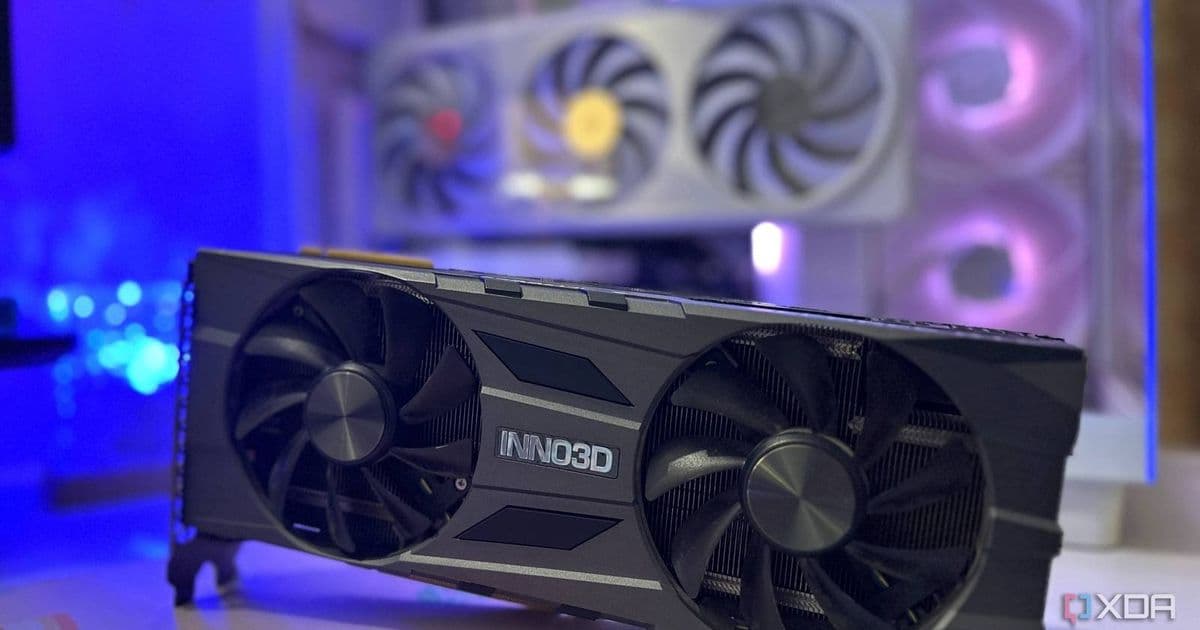
Nvidia is recruiting Linux developers specializing in Proton and Vulkan technologies to optimize gaming performance on open-source platforms, signaling major hardware vendor investment in Linux gaming.
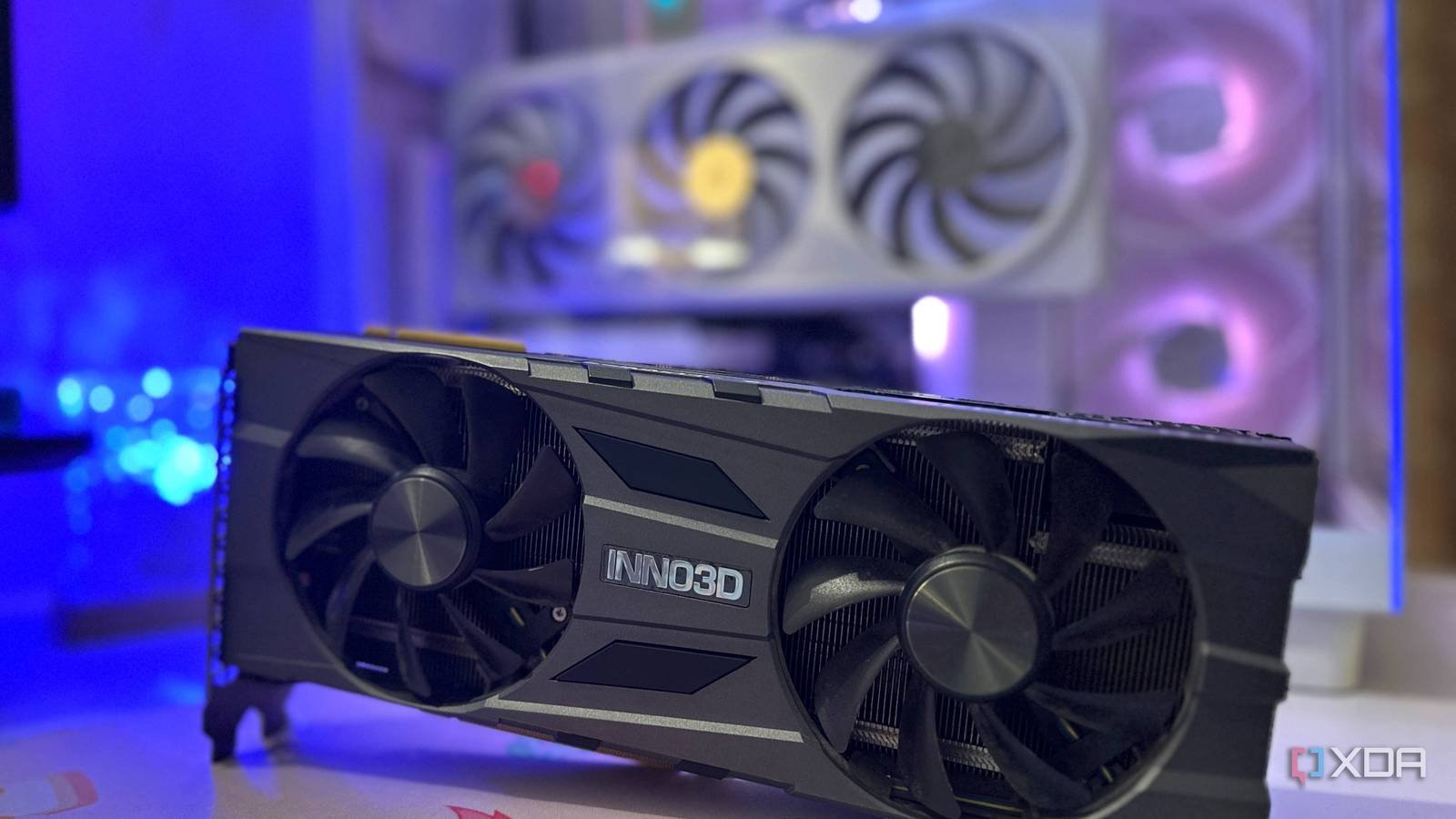
Nvidia has launched targeted recruitment efforts for Linux-focused developers with expertise in Proton compatibility layers and Vulkan graphics APIs, signaling a strategic investment in enhancing gaming performance on open-source platforms. The GPU manufacturer posted two specialized engineering roles on its careers portal, both centered on optimizing gaming experiences for Linux users.
Core Roles: Diagnosing Bottlenecks and Improving Drivers
The positions – Senior System Software Engineer, Vulkan Performance and a related role – focus squarely on Linux gaming infrastructure. Key responsibilities include:
- Diagnosing GPU/CPU performance bottlenecks specifically in Vulkan and Proton-based games
- Identifying API improvements and collaborating with third-party developers
- Implementing driver-level optimizations to resolve performance issues
- Developing industry-leading GPU drivers for Linux environments
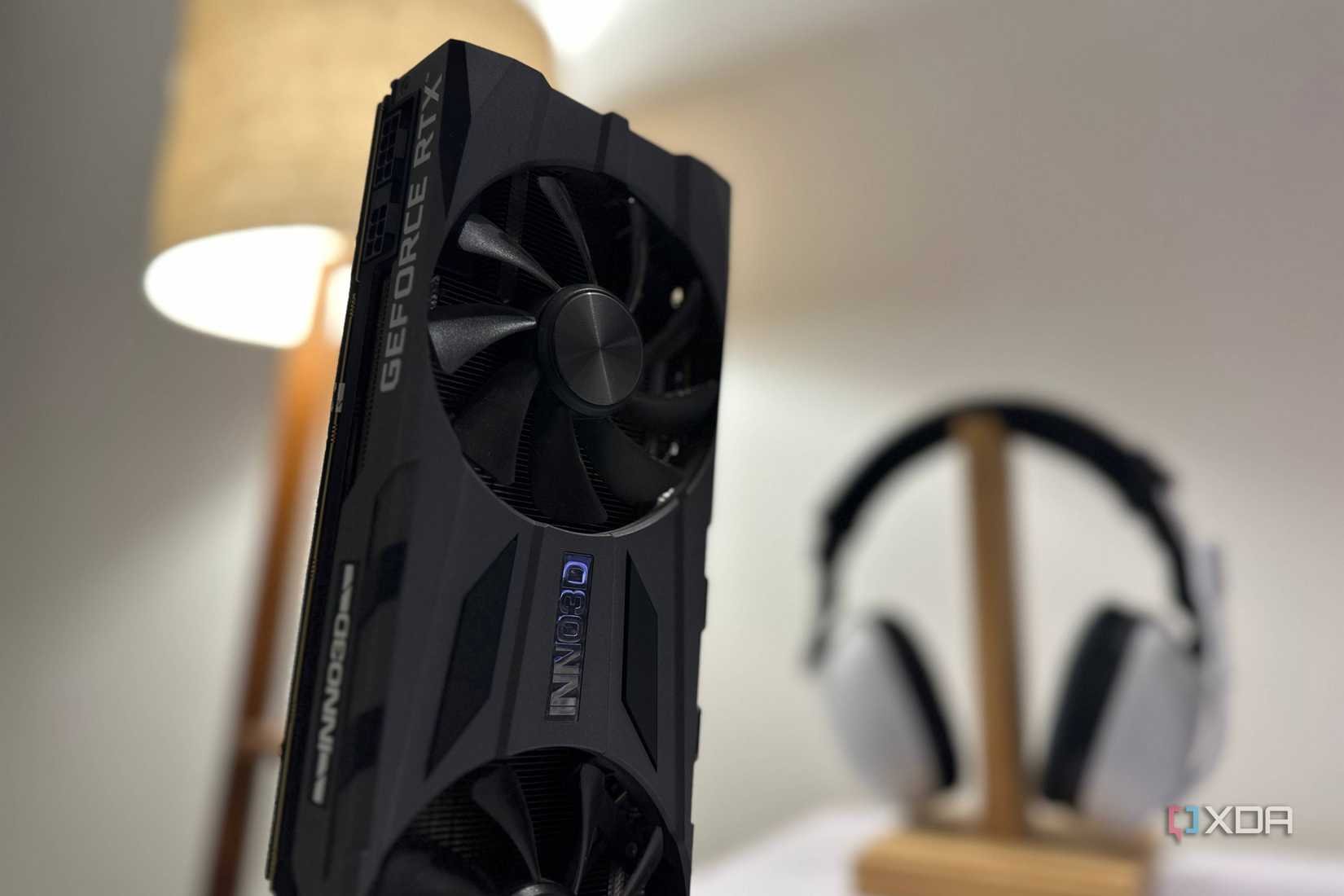
Compensation for these Level 3 and Level 4 positions reaches approximately $200,000 annually, reflecting the specialized nature of the work and Nvidia's commitment to the initiative.
Strategic Shift Toward Open-Source Gaming
This recruitment drive follows Intel's recent Linux gaming-focused hiring, indicating a broader industry trend. Where Intel's efforts appeared partly recovery-focused after 2025 layoffs, Nvidia's positions represent proactive investment in Linux gaming infrastructure.
Vulkan's cross-platform capabilities and Proton's Wine-based translation layer have become critical for Linux gaming. As noted by GamingOnLinux, these technologies enable Windows games to run on Linux with increasingly competitive performance.
Implications for Developers and Gamers
Driver Optimization: Nvidia's Linux drivers have historically faced criticism compared to AMD's open-source efforts. These hires suggest deeper integration between proprietary hardware and open-source software stacks.
Industry Validation: Major GPU vendors investing in Linux gaming signals market validation for platforms like Steam Deck, which relies heavily on Proton.
- Performance Gains: Direct Vulkan/Proton optimization could yield measurable FPS improvements for titles running on Linux distributions like Arch, Ubuntu, or Fedora.
The Broader Ecosystem Impact
Nvidia's move represents more than isolated hiring – it's strategic positioning within the evolving Linux gaming landscape. As Proton's compatibility database grows and Vulkan gains adoption, hardware vendors face pressure to optimize for these technologies. This recruitment acknowledges Linux as a legitimate gaming platform rather than a niche interest.
The positions require deep technical knowledge of Vulkan's low-level architecture and Proton's translation mechanisms. Successful candidates will likely influence driver development for next-generation Nvidia GPUs targeting Linux gamers, potentially narrowing the performance gap between Windows and Linux gaming experiences.
For developers, these roles offer rare opportunities to shape open-source gaming infrastructure while working with proprietary hardware – a hybrid approach that could accelerate Linux gaming's mainstream viability.
Comments
Please log in or register to join the discussion