
Digital designer Carrie Webster reframes interface design through an ecological lens, revealing how dark mode defaults, image optimization, and data budgets can significantly reduce digital carbon footprints.
For decades, digital interfaces were designed under the illusion of weightlessness—as if pixels existed in an ethereal cloud with no physical cost. That perception is changing rapidly. As Carrie Webster notes in her comprehensive analysis of sustainable UX, "The cloud is a physical infrastructure, a sprawling network of data centres, undersea cables, and cooling systems that hum 24⁄7." With AI-driven data centers now matching the power consumption of industrial facilities, the frontend decisions we make carry tangible environmental consequences.
The Dark Mode Imperative
The shift from LCD to OLED technology fundamentally alters how color choices impact energy consumption. Unlike LCDs that require constant backlighting, OLED screens illuminate individual pixels. True black (#000000) pixels consume zero power when inactive.

Purdue University's landmark 2021 study revealed dark mode reduces battery consumption by 39-47% at maximum brightness. This isn't just about aesthetics—it's about hardware efficiency. As Webster advocates, "Dark Mode should no longer be a secondary 'theme' tucked away in a settings menu." Designing dark-first interfaces extends device lifespan while accommodating accessibility needs through optional light modes.
Optimizing Visual Assets
Modern design workflows often disregard asset weight, leading to what Webster terms "Digital Fat"—the 500% increase in average mobile page weight over the past decade. Images and video dominate page weight, making optimization critical:
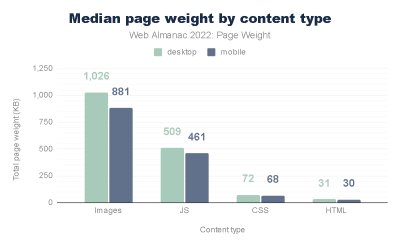
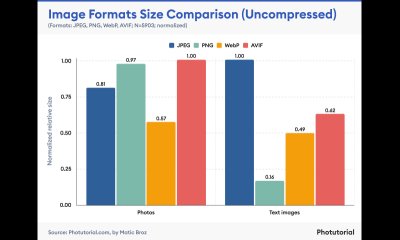
- Format Selection: Modern formats like AVIF and WebP reduce image weight by 50% compared to JPEG while maintaining quality
- Asset Replacement: SVG illustrations coupled with CSS gradients can replace heavy photography (demonstrated by Webster's case study reducing page weight from 5.5MB to 1.2MB)
- Strategic Questioning: "Do I need a photo here, or can I achieve the same emotional resonance with code?"
Motion With Purpose
Complex animations aren't just distracting—they're energy-intensive. GPU-intensive effects trigger thermal throttling and rapid battery drain. Webster advocates for "Meaningful Motion" principles:
"If an animation doesn't help a user complete a task or understand a hierarchy, it is a waste."
Prioritize CSS hardware-accelerated transitions over JavaScript libraries, and eliminate "scroll-jacking" techniques that force unnecessary re-renders.
Implementing Data Budgets
The most transformative approach involves establishing hard constraints. Inspired by Wholegrain Digital's Sustainable Web Design model, Webster proposes:
- Carbon Calculation: Average websites produce 0.5g CO₂ per view (6 metric tons annually for 1M monthly views)
- Budget Enforcement: Cap page weight (e.g., 1MB maximum) requiring tradeoffs for new features
- Hosting Selection: Green Web Foundation verified renewable energy hosts
The Performance Advantage
Contrary to perception, eco-design enhances business outcomes:
- Faster loading improves Core Web Vitals and SEO rankings
- Reduced hosting costs through efficient asset delivery
- Expanded accessibility for emerging markets and older devices
As Webster concludes: "Sustainable UX is a 'win-win-win.' Better for the planet, better for users through faster interfaces, and better for business through improved conversions." Designers are encouraged to audit projects using tools like the Website Carbon Calculator and prioritize byte-conscious solutions.
This paradigm shift moves beyond aesthetics—Webster positions designers as "guardians of the user’s battery, their data plan, and ultimately, the environment."
Comments
Please log in or register to join the discussion