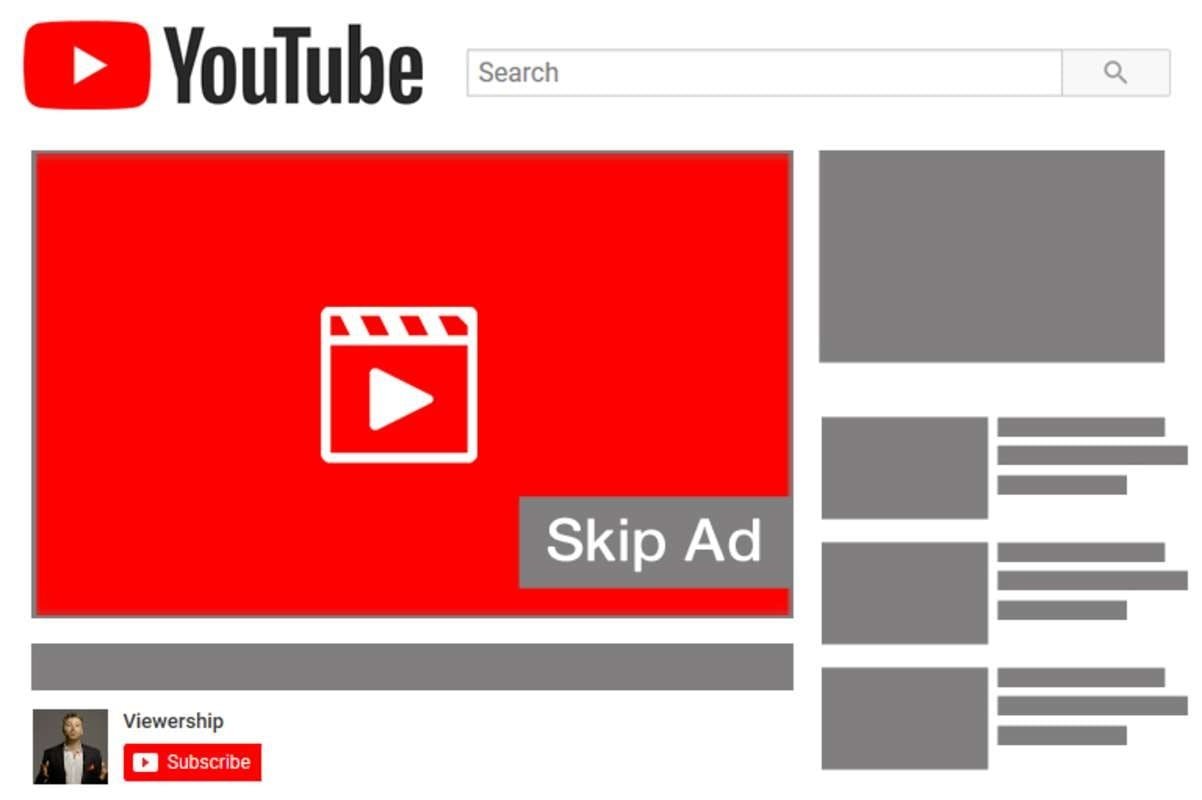
YouTube sells ad slots to brands while simultaneously offering a paid tier that lets viewers skip the interruptions. The article unpacks how this structure works, why it aligns with Google’s massive ad revenue, and what it means for users and the broader attention market.
YouTube’s Double‑Side Revenue Engine
YouTube sits at the intersection of two cash flows that most platforms keep separate. On one side, brands such as Nike or Toyota buy a few seconds of a viewer’s focus; on the other, everyday users can pay a monthly fee – currently $13.99 in the U.S. – to avoid those very seconds. The result is a self‑reinforcing loop where the more intrusive the free experience becomes, the more incentive there is for users to upgrade.
How the ad side works
- Targeting – Google’s ad platform matches a video’s audience with a brand’s criteria (demographics, search history, recent purchases). The match is made in real time and the brand pays per impression or per click.
- Placement – YouTube inserts the ad at three possible points: pre‑roll (before the video), mid‑roll (during longer videos), and post‑roll (after the video). Skippable ads can be dismissed after five seconds; non‑skippable ads run for 15 seconds.
- Revenue share – Content creators receive roughly 55 % of the ad revenue generated by their videos, while the remaining 45 % stays with Google. In 2025 Google reported $32 billion in YouTube ad revenue, a figure that has grown steadily for a decade.
The premium side
YouTube Premium bundles three benefits:
- Ad‑free viewing across all devices.
- Background playback on mobile, allowing audio‑only consumption.
- YouTube Music access.
Subscribers are billed monthly; the fee is split between Google and the creators whose videos they watch, based on watch time. This creates a second revenue stream that directly competes with the free tier’s ad model.
Why the model feels adversarial
The platform’s incentives are structurally aligned with making the free experience tolerable enough to keep users watching, yet irritating enough that a fraction will convert to Premium. Several design choices illustrate this balance:
- Pre‑roll ads start before any content is visible, capturing attention before the viewer can decide to quit.
- Mid‑roll ads appear after a viewer has already invested time, increasing the perceived cost of staying.
- Skip countdowns are set at five seconds, short enough to feel forced but long enough to register as a hurdle.
These tactics are not accidental; they are the product of extensive A/B testing aimed at finding the sweet spot where user churn is minimized while conversion to Premium is maximized.
How this compares to older media
Traditional newspapers sold space to advertisers and later introduced subscription paywalls. Spotify offers an ad‑supported tier and a premium tier that removes ads. What sets YouTube apart is the granularity of its data. Every click, pause, and search term feeds a model that can predict a viewer’s likelihood to engage with a specific ad, making each impression far more valuable than a generic banner on a webpage.
What the numbers say
- Advertiser spend: In 2025, global advertisers allocated roughly $12 billion to YouTube alone, according to eMarketer.
- Premium subscribers: YouTube announced 35 million paid subscribers worldwide in early 2026, up from 30 million the previous year.
- Average revenue per user (ARPU): Free‑tier ARPU is estimated at $1.20 per month, while Premium ARPU sits at $13.99, highlighting the stark difference in monetization efficiency.
Implications for the attention market
YouTube now acts as both the marketplace and the broker for human attention. Brands pay to reach viewers; viewers pay to reclaim their focus. This dual role gives Google unprecedented leverage over the flow of attention online. If the platform were to increase ad frequency, premium conversion could rise, but it also risks driving users to competing services that offer a less aggressive ad experience.
A few takeaways for users and creators
- Consider your consumption habits – If you find yourself regularly reaching for the Premium button, the platform is doing its job. Evaluate whether the cost aligns with the time you save.
- Creators benefit from both sides – Higher ad revenue per view and a share of Premium subscription fees mean that growing an engaged audience can be profitable regardless of the tier they watch on.
- Watch for policy shifts – Any change in ad load or Premium pricing will ripple through the ecosystem, affecting everything from creator earnings to brand ROI.
Where to learn more
- Official YouTube Premium page
- Google’s 2025 earnings release, section on YouTube ad revenue
- eMarketer’s report on digital ad spend, 2025 edition
YouTube’s model is a clear illustration of how a platform can monetize the same resource—attention—in two opposite directions. The system works at scale, but it also places the user in a position where they are simultaneously the product, the customer, and the reason the product exists. Understanding the mechanics helps viewers make informed choices about where to spend their time and money.
Comments
Please log in or register to join the discussion