Honda Motor is diversifying semiconductor procurement beyond China after chip shortages caused $300 million in operating profit losses, partnering with Japan's Rohm and other global suppliers.
Honda Motor has implemented a multi-sourced semiconductor procurement strategy involving Japanese and international suppliers, a direct response to production disruptions that cost the automaker approximately $300 million in operating profit during late 2025. The move significantly reduces dependence on Chinese supply chains following last year's Nexperia crisis, which exposed critical vulnerabilities in Honda's single-source procurement model.
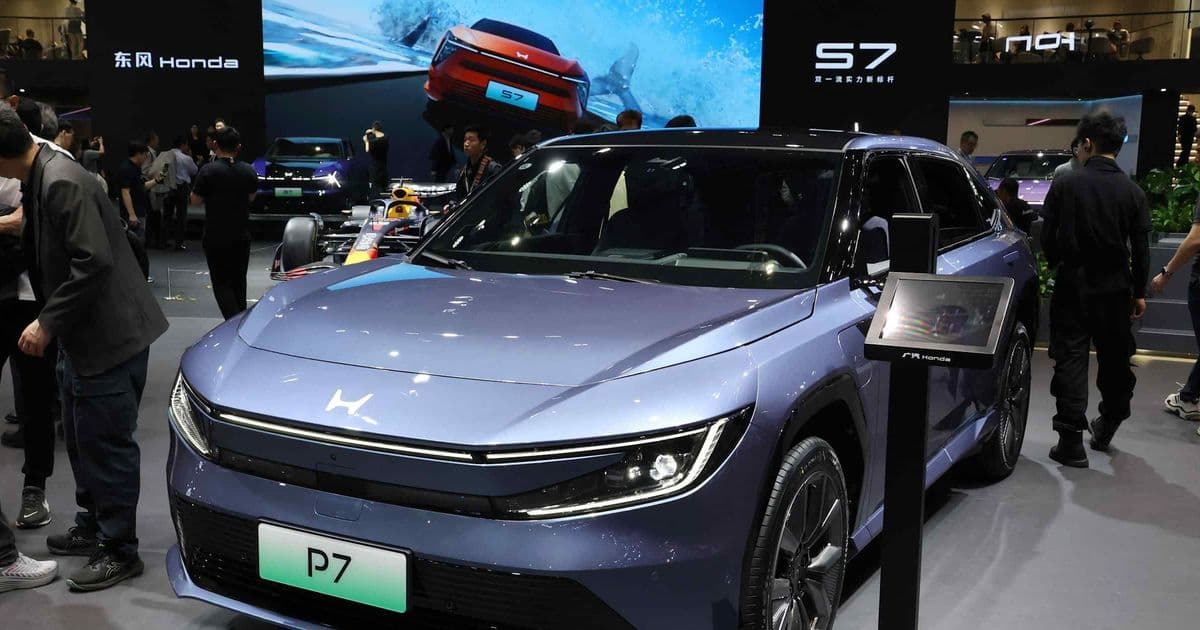
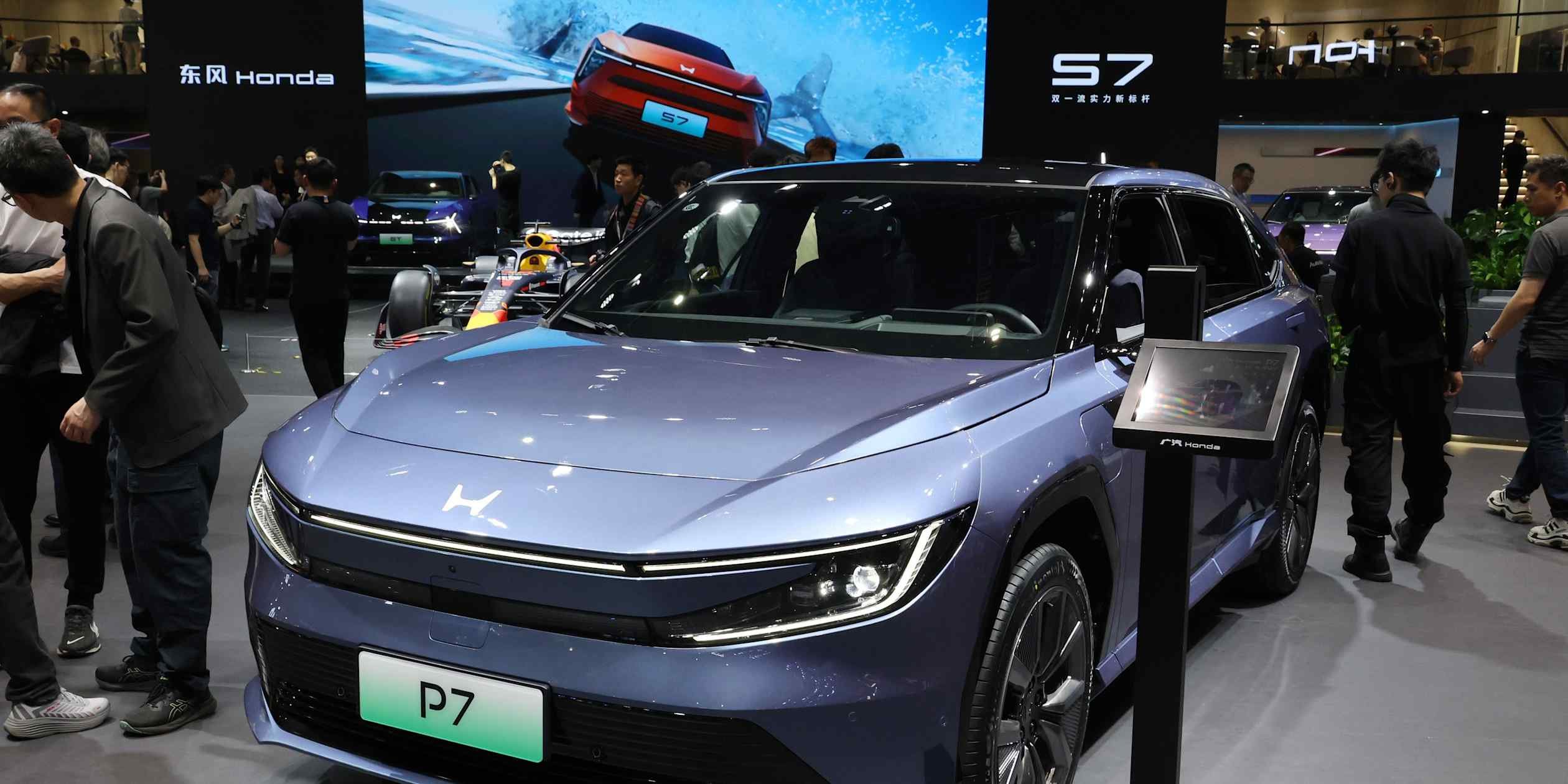
The financial impact stemmed from forced production halts affecting Honda's electric vehicle lineup, including the P7 model shown above. Chip shortages caused assembly line stoppages at multiple global plants, resulting in an estimated 15% quarterly production decline. This follows Honda's earlier struggles in 2024 when chip constraints pushed the automaker to fourth place among Japanese manufacturers by volume.
Honda now confirms partnerships with Japan's Rohm Semiconductor, alongside suppliers in Europe and Southeast Asia. Rohm specializes in power management chips essential for EV systems, with reported contracts covering 40% of Honda's future power semiconductor requirements. Procurement executives indicate this multi-sourcing approach covers three critical chip categories: microcontrollers, power semiconductors, and sensors.
Industry analysts note this reflects broader automotive supply chain restructuring. Chip inventory levels across automakers averaged just 5 days supply during the 2025 shortage, compared to the 30-45 day buffer common pre-pandemic. Honda's new strategy targets maintaining 60-day reserves for critical components, with dedicated production lines being established at supplier facilities.
The shift carries cost implications. Multi-sourcing increases procurement expenses by an estimated 8-12% near-term, but Honda forecasts this will be offset by eliminating future production stoppages. The automaker's supply chain risk assessment now weights geopolitical factors as heavily as technical specifications, with China dependency accounting for 35% of vendor evaluation metrics.
This realignment comes as global automakers face increasing pressure to secure non-Chinese chip sources. The 2025 Nexperia dispute, where Dutch authorities suspended control of the Chinese-owned chipmaker amid export restriction concerns, demonstrated how geopolitical tensions can rapidly disrupt supply chains. Honda's proactive diversification provides a blueprint for competitors facing similar vulnerabilities in critical component sourcing.
Comments
Please log in or register to join the discussion