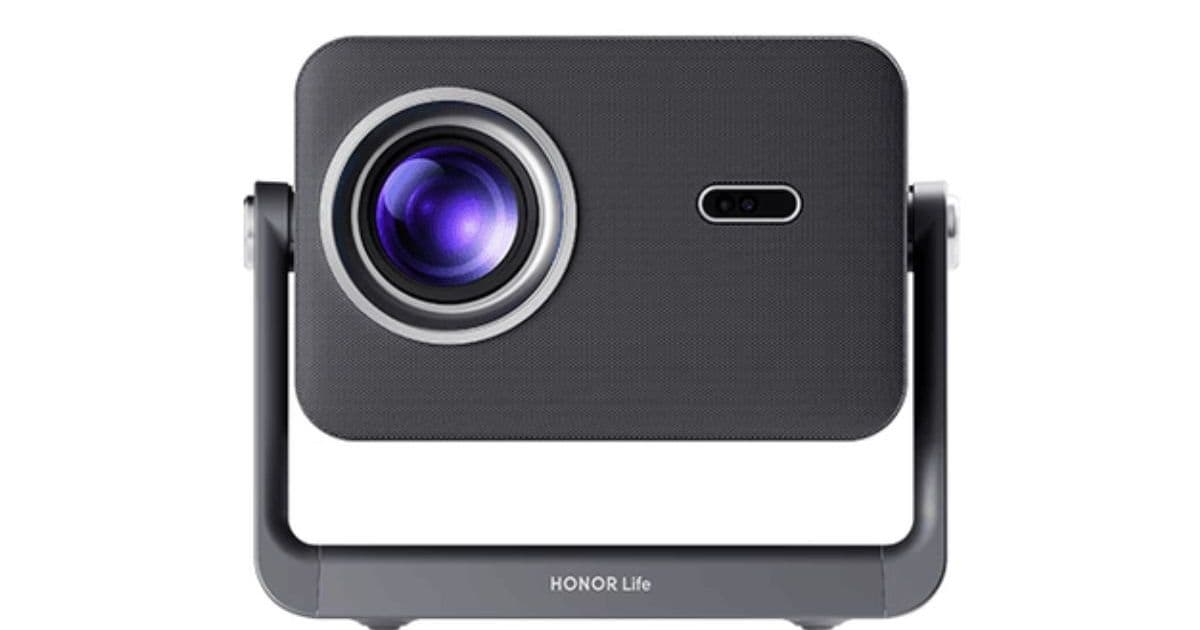
Honor has launched the Choice AI Projector Pro (MRO‑SH01) in China for CNY 1,199. The LED‑based projector offers native 1080p, 750 nits brightness, Android 9, and a gimbal‑mounted stand, positioning it as a low‑cost alternative to higher‑priced home cinema units.
What’s new
Honor’s latest home‑theater device, the Choice AI Projector Pro (model MRO‑SH01), hit Chinese online stores this week with a price tag of CNY 1,199 (about US $177). The projector is built around a LED light source that claims up to 750 nits of brightness, a native 1080p (1920 × 1080) panel, and a 1.2:1 throw ratio that lets it fill a 100‑inch screen from roughly 1.2 m away. The unit runs Android 9.0, includes Wi‑Fi and Bluetooth, and ships with an HDMI 2.0 port, two USB‑A connectors, and a modest 5 W built‑in speaker.
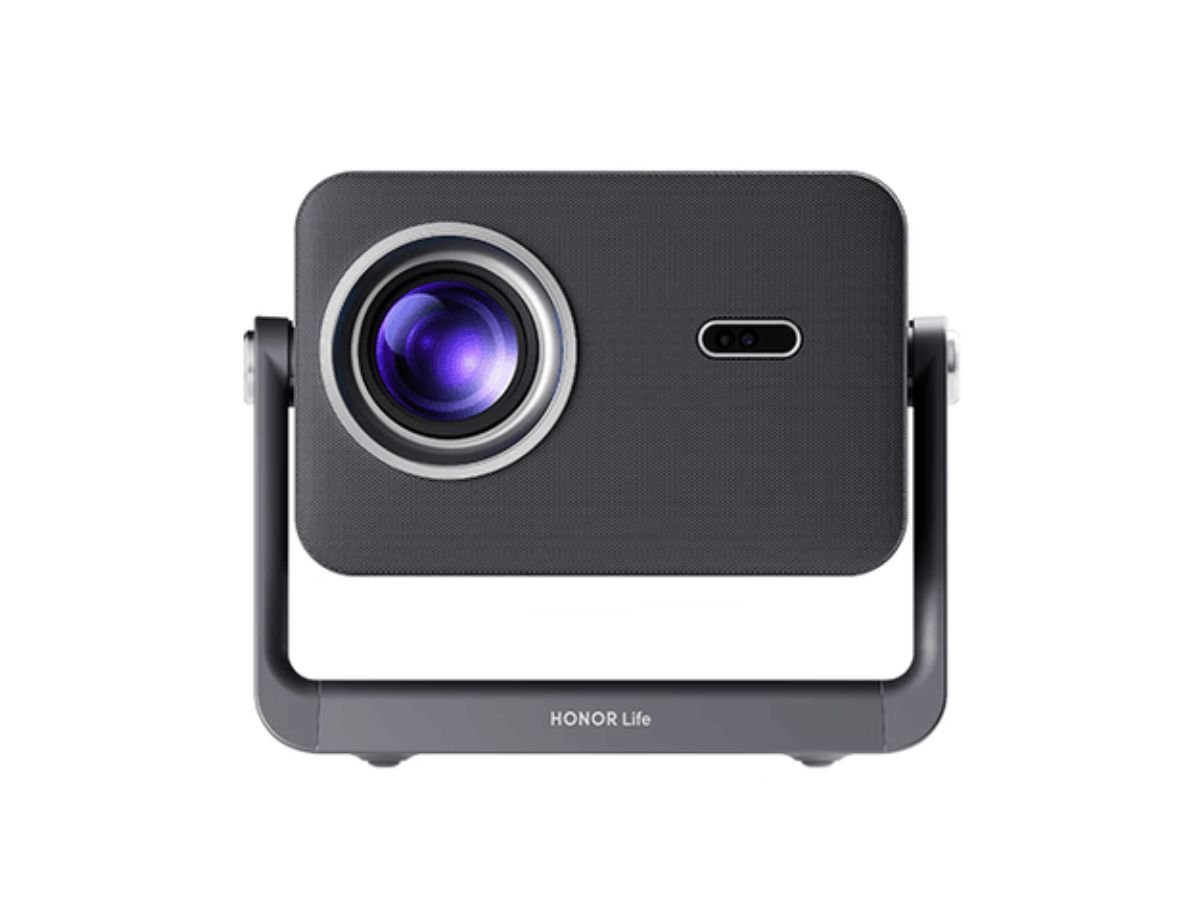
The projector’s chassis is a titanium‑gray shell that houses an integrated gimbal stand, allowing pitch and yaw adjustments without a separate tripod. Software‑side, it supports automatic focus, 4‑point keystone correction, and a handful of AI‑enhanced picture‑tuning presets that Honor markets as “smart home” features.
How it compares
| Feature | Honor Choice AI Pro | Typical mid‑range competitor (e.g., Epson Home Cinema 2150) | Budget alternative (e.g., Aurzen D1R Cube Roku) |
|---|---|---|---|
| Resolution | 1080p native | 1080p native | 720p native |
| Brightness | 750 nits (LED, unverified) | 2,500 lumens (lamp) | 300 nits (LED) |
| Contrast | 2,500:1 (specified) | 60,000:1 | 1,500:1 |
| Light source | LED | 3‑lamp UHP | LED |
| OS | Android 9 | Android‑based (Epson) | Roku TV |
| Ports | HDMI 2.0, 2 × USB‑A | HDMI 1.4, USB‑A, VGA | HDMI 2.0, USB‑C |
| Speakers | 5 W mono | 2 × 10 W stereo | 5 W mono |
| Price | US $177 | US $550‑$600 | US $170 |
The most striking difference is price. At under $180, the Honor model undercuts most lamp‑based 1080p projectors by more than half. In exchange, its contrast ratio and absolute brightness are modest. The 750‑nit claim is not yet backed by ANSI‑lumens testing, so real‑world performance in a lit living room may fall short of the numbers. By contrast, Epson’s lamp units still dominate in contrast and throw‑distance flexibility, but they require periodic lamp replacement and are bulkier.
Compared to the Aurzen D1R Cube Roku, the Honor projector offers a true 1080p panel and a higher native brightness, while the Aurzen sticks to 720p and relies on a Roku interface rather than a full Android environment. Both devices share a similar price point and a compact form factor, but the Honor’s gimbal stand gives it an edge for quick placement on a bookshelf or nightstand.
Who it’s for
- Budget‑conscious home‑theater enthusiasts who want a genuine 1080p image without breaking the bank. The LED light source means no lamp replacements and a longer usable life, which is attractive for renters or occasional viewers.
- Smart‑home fans who appreciate Android integration, Wi‑Fi streaming, and the ability to install third‑party apps directly on the projector.
- Small‑room users such as dorm rooms, bedrooms, or compact living areas where a short throw ratio and a lightweight stand are more valuable than raw brightness.
If you need a projector that can compete with daylight viewing or deliver deep blacks for cinema‑grade content, the Honor Choice AI Pro will feel under‑powered. In that case, a higher‑priced lamp‑based unit remains the safer bet.
Bottom line
Honor’s Choice AI Projector Pro shows that 1080p projection can be packaged at a price previously reserved for 720p devices. The trade‑off is lower contrast and an unverified brightness claim, but the inclusion of Android 9, a gimbal stand, and AI‑assisted picture tools makes it a compelling entry point for anyone looking to dip a toe into home cinema without a large upfront investment.
For readers outside China, comparable devices such as the Aurzen D1R Cube Roku (around US $170) or the XGIMI MoGo Pro (US $300) provide similar feature sets, albeit with different OS ecosystems.
Comments
Please log in or register to join the discussion