Democratic Congressional Campaign Committee faces internal revolt as candidates demand more support and transparency
The Democratic Congressional Campaign Committee (DCCC) is facing an internal revolt from House candidates who are demanding more support and transparency from the party's campaign arm.
What's happening: Multiple Democratic House candidates are expressing frustration with the DCCC's handling of resources, strategy, and communication. The revolt comes at a critical time as Democrats work to defend their narrow House majority.
Key issues driving the revolt:
- Candidates claim the DCCC is not providing adequate financial support
- Frustration over lack of transparency in decision-making processes
- Concerns about strategic direction and messaging
- Demands for more direct communication channels with party leadership
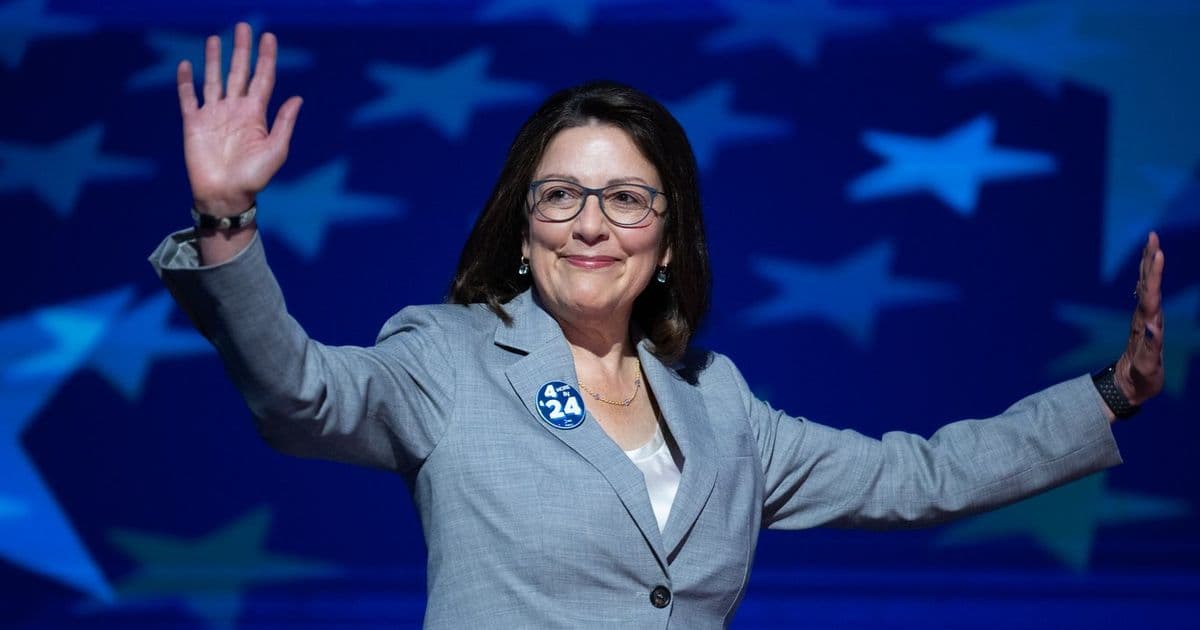
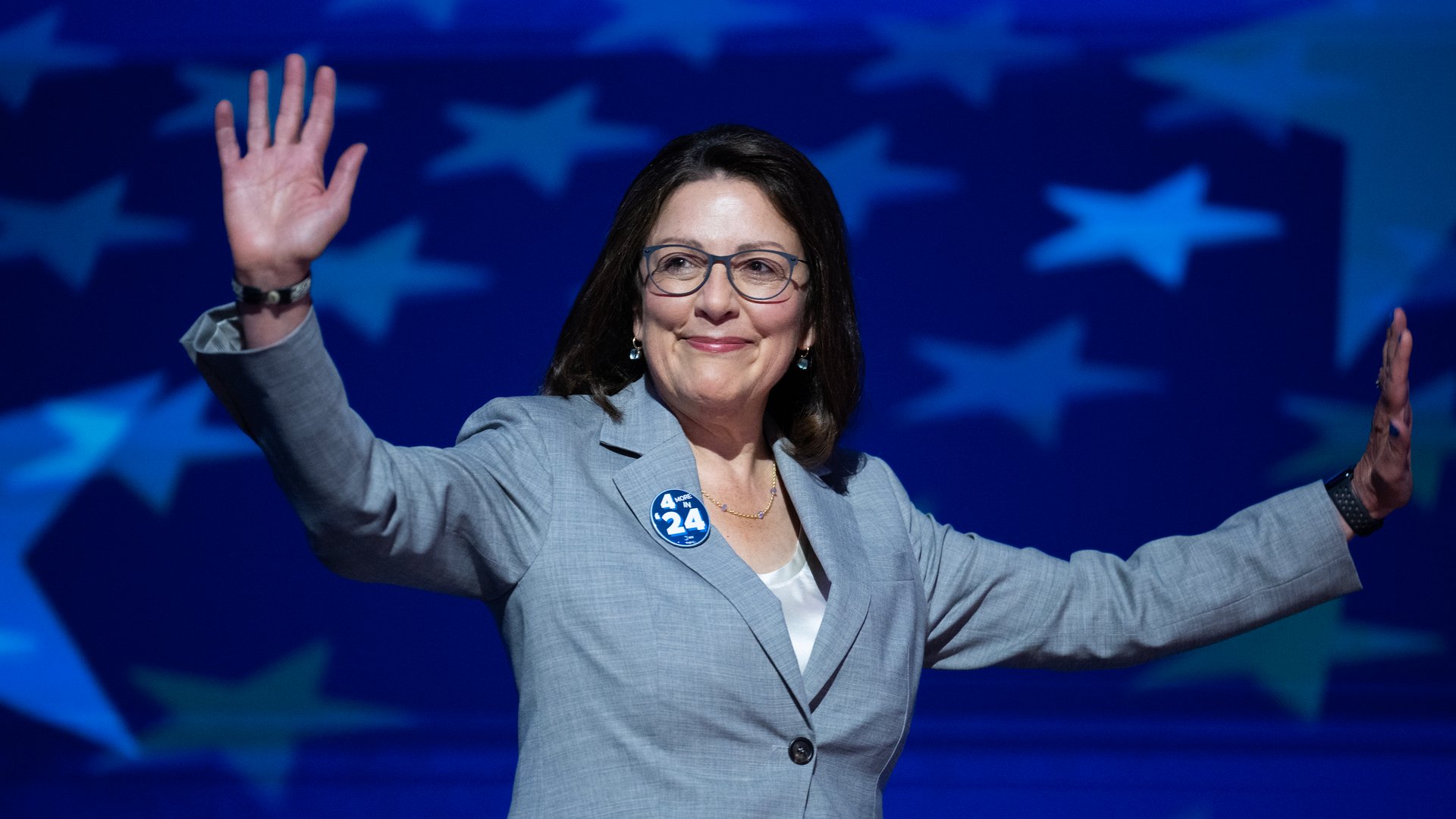
The context: The DCCC, led by Chair Suzan DelBene, has historically played a crucial role in supporting Democratic House candidates through fundraising, strategic guidance, and resource allocation. However, tensions have been building between the committee and rank-and-file candidates.
Why it matters:
- The revolt threatens party unity ahead of crucial midterm elections
- Internal divisions could impact fundraising efforts and campaign effectiveness
- Questions about DCCC leadership and strategy could affect candidate recruitment
- Potential impact on Democrats' ability to maintain House majority
Financial implications:
- Candidates report difficulties accessing promised campaign funds
- Concerns about DCCC's fundraising efficiency and allocation methods
- Questions about return on investment for donors supporting the committee
What candidates are demanding:
- Greater transparency in decision-making processes
- More direct access to DCCC leadership
- Clearer criteria for resource allocation
- Improved communication about strategic priorities
Leadership response: The DCCC has acknowledged the concerns but maintains that their current approach is necessary for overall party success. Chair DelBene has emphasized the need for unity and strategic coordination.
Historical context: Internal tensions between party committees and candidates are not uncommon, but the current level of open dissent is notable. Similar conflicts have occurred in previous election cycles but rarely at this scale.
Impact on upcoming elections:
- Potential disruption to coordinated campaign efforts
- Risk of reduced enthusiasm among grassroots supporters
- Possible effect on candidate recruitment for future cycles
- Questions about party's ability to present unified front
Expert analysis: Political strategists suggest this revolt could have lasting implications for how the DCCC operates and how candidates interact with party leadership. Some see it as a necessary push for reform, while others worry about the timing and potential consequences.
What's next:
- Expected meetings between DCCC leadership and dissatisfied candidates
- Potential policy changes in how the committee operates
- Ongoing discussions about resource allocation and strategic priorities
- Possible impact on future leadership elections within the party
The situation remains fluid as both sides work to address the concerns while maintaining focus on upcoming electoral challenges. The outcome could reshape how the Democratic Party approaches House campaigns in the future.
Comments
Please log in or register to join the discussion