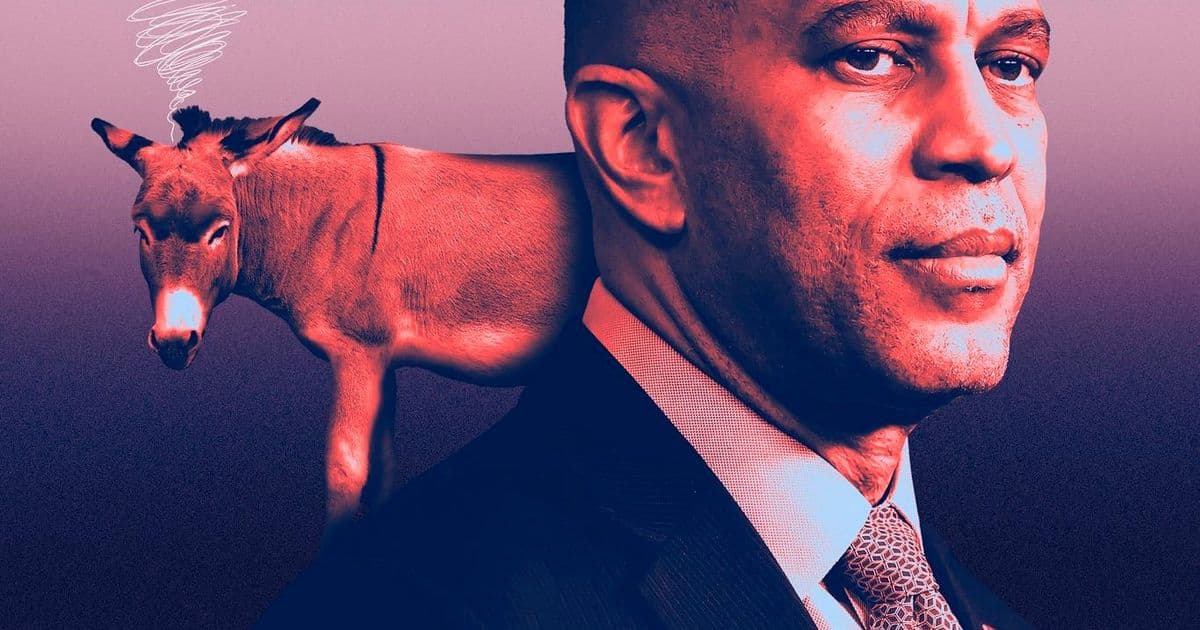
Democratic leader Hakeem Jeffries faces mounting pressure from progressive lawmakers as House Democrats struggle with messaging and strategy heading into the 2026 midterms.
House Minority Leader Hakeem Jeffries is facing mounting pressure from within his own party as progressive Democrats grow increasingly frustrated with the party's messaging and strategy heading into the 2026 midterm elections.
The tensions came to a head during a closed-door Democratic caucus meeting last week, where several members openly questioned Jeffries' leadership approach. Sources familiar with the meeting say the frustration centers on what progressives view as a lack of bold policy proposals and an overly cautious approach to opposing Republican initiatives.
Key sources of discontent:
- Progressive members want more aggressive stances on economic issues
- Frustration over Democratic messaging on inflation and cost of living
- Concerns about the party's ability to mobilize younger voters
- Disagreements over how to respond to Republican legislative priorities
Jeffries, who has led House Democrats since 2023, has maintained a relatively low-profile approach compared to his predecessor Nancy Pelosi. While this strategy has appealed to moderate Democrats in swing districts, it has left many progressives feeling sidelined.
The numbers tell the story:
- House Democrats currently hold 213 seats (out of 435)
- The party needs to flip 6 seats to regain majority control
- Recent polling shows Democrats trailing Republicans on economic messaging by 8 points
- Youth voter turnout dropped 12% between 2020 and 2024 elections
The rebellion appears to be gaining momentum, with several progressive members reportedly considering a challenge to Jeffries' leadership if Democrats perform poorly in the 2026 midterms. While no formal challenger has emerged yet, the rumblings suggest a significant shift in the party's internal dynamics.
What's at stake:
- Control of the House in the next Congress
- The direction of Democratic policy priorities
- The party's ability to attract and retain younger voters
- The balance between progressive and moderate factions
Political analysts note that this internal conflict mirrors similar tensions within the Republican Party, suggesting a broader realignment happening across both major parties. The outcome could determine not just who leads House Democrats, but the party's entire strategic direction heading into the 2028 presidential election.
For now, Jeffries appears to be taking a wait-and-see approach, focusing on building consensus within the caucus while preparing for the upcoming elections. Whether this strategy will satisfy his critics or fuel further rebellion remains to be seen.
Comments
Please log in or register to join the discussion