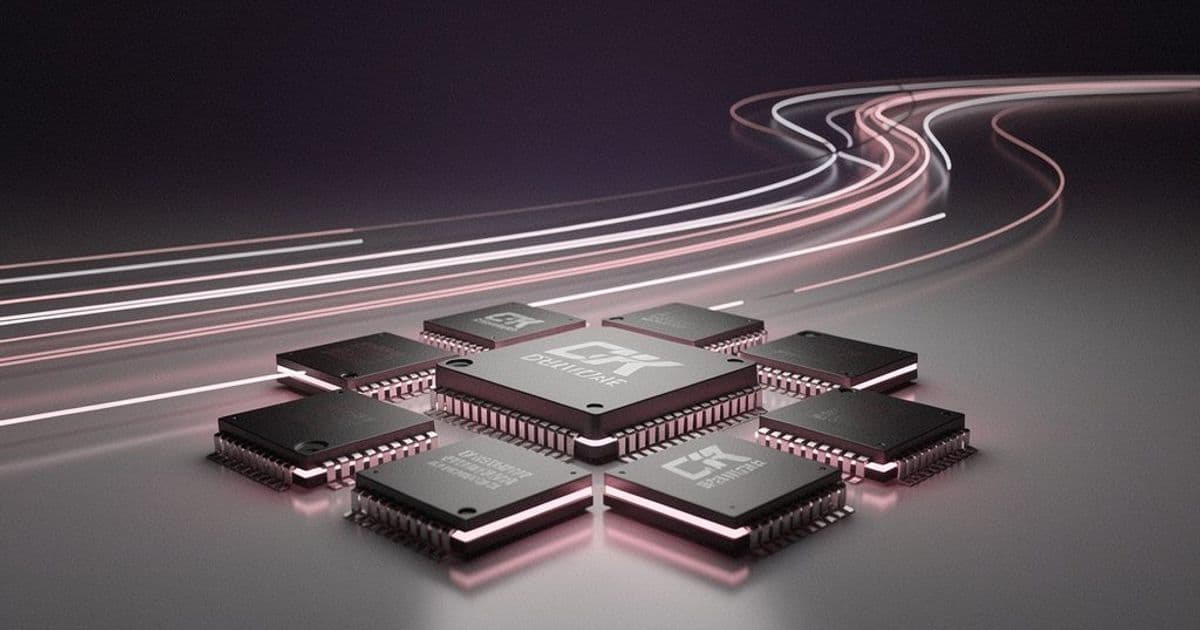
HP is reportedly exploring partnerships with Chinese memory manufacturers to secure DRAM supply, marking a potential shift in its procurement strategy as the global chip shortage continues to strain traditional supply chains.
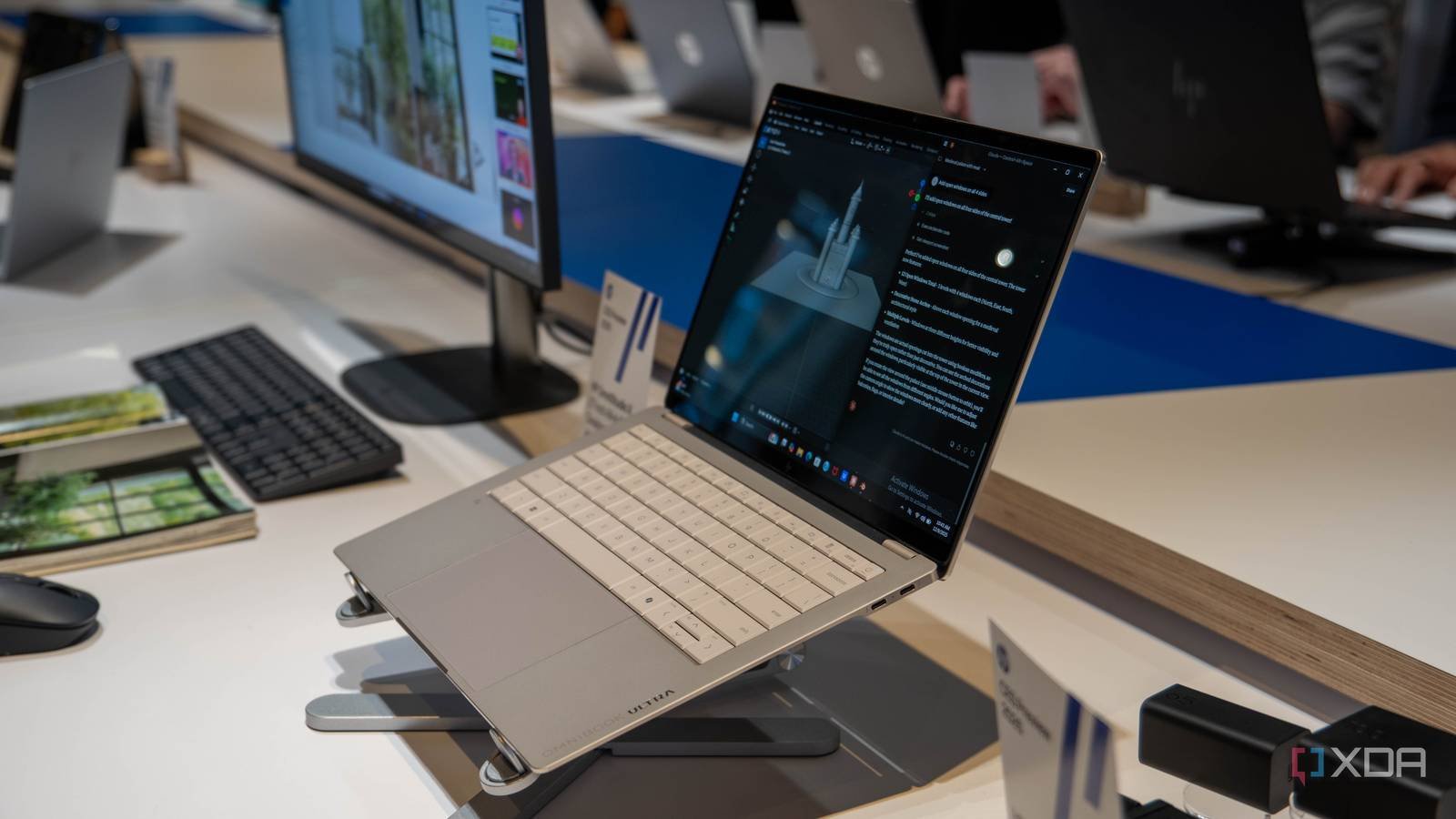
The global memory market is facing one of its most challenging periods in recent history, and HP appears to be taking decisive action to protect its supply chain. According to industry sources, the PC manufacturer is actively evaluating Chinese DRAM suppliers as alternatives to traditional partners like Samsung, SK Hynix, and Micron.
Why This Matters for PC Manufacturing
Memory components are fundamental to every computer HP produces, from consumer laptops to enterprise workstations. DRAM shortages don't just delay shipments—they cascade through the entire production pipeline, affecting motherboard assembly, testing, and final packaging. When HP can't secure sufficient memory modules, entire product lines face delays, and the company must either absorb higher spot-market prices or pass costs to consumers.
The current shortage stems from multiple converging factors. Memory manufacturers have been cautious about expanding production capacity, wary of the boom-bust cycles that have historically plagued the semiconductor industry. At the same time, demand has surged from AI infrastructure builds, data center expansions, and the continued recovery of consumer electronics markets post-pandemic.
Chinese Memory Makers Enter the Mainstream
Chinese DRAM manufacturers have been rapidly closing the technology gap with established players. Yangtze Memory Technologies Co (YMTC) has made significant advances in NAND flash, while newer entrants are producing DDR4 and DDR5 memory that meets JEDEC standards. These companies have benefited from substantial government investment and a determination to reduce China's dependence on foreign semiconductor technology.
For HP, sourcing from Chinese suppliers offers several advantages beyond simple availability. Pricing can be more competitive, especially for high-volume contracts. Supply agreements may include more favorable terms, and the company gains geographic diversification that reduces risk from regional disruptions.
However, the decision isn't without complications. Enterprise customers, particularly in government and financial sectors, often have strict requirements about component sourcing. Some contracts mandate memory from specific countries or approved vendor lists. HP will need to carefully navigate these requirements while ensuring quality and reliability standards aren't compromised.
The Broader Industry Context
This potential shift reflects a broader realignment in how PC manufacturers approach supply chain resilience. The old model of relying on a handful of proven suppliers is giving way to a more distributed approach that balances cost, availability, and geopolitical risk.
Other major PC manufacturers are reportedly making similar evaluations. Lenovo, already comfortable with Chinese suppliers given its headquarters location, has been expanding its memory sourcing options. Dell and Apple, while more cautious about supplier diversification, are understood to be monitoring the situation closely.
What This Means for Consumers
In the short term, HP's exploration of Chinese DRAM suppliers shouldn't affect the end-user experience. Memory modules from qualified manufacturers must meet the same JEDEC specifications regardless of origin. Performance, compatibility, and reliability standards remain consistent.
Longer term, successful integration of Chinese memory suppliers could help stabilize pricing and availability. If HP and other manufacturers can secure reliable supply from additional sources, it reduces the bargaining power of the big three memory manufacturers and could lead to more competitive pricing across the board.
Technical Considerations
From a technical standpoint, the transition isn't particularly complex. DDR4 and DDR5 memory modules follow standardized specifications. A DIMM from a Chinese manufacturer that meets JEDEC standards will function identically to one from Samsung or Micron in the same system. The real challenges are:
- Qualification Testing: Each supplier's memory must undergo extensive validation to ensure compatibility with HP's motherboard designs and firmware
- Quality Assurance: Long-term reliability testing to match the expected lifespan of HP products
- Supply Consistency: Ensuring the supplier can deliver at the scale and consistency HP requires
- Warranty Support: Establishing clear accountability for any memory-related failures
Looking Ahead
The memory market has historically been cyclical, and this shortage will eventually ease as manufacturers bring new capacity online. However, the strategic lesson for HP and other PC makers is clear: over-reliance on a small number of suppliers creates vulnerability.
Even after this shortage resolves, expect HP to maintain relationships with Chinese memory suppliers as part of a diversified procurement strategy. The company may allocate specific product lines or market segments to these suppliers while reserving premium relationships with established manufacturers for high-end products.
This approach mirrors how the automotive industry handles supply chain management—maintaining multiple qualified suppliers for critical components to ensure continuity and competitive pricing.
For developers and IT professionals, the key takeaway is that component sourcing is becoming increasingly complex. The memory in your next HP workstation might come from a supplier that wasn't on your radar a few years ago, but as long as it meets specifications, the user experience should remain unchanged. The real impact will be behind the scenes, in HP's ability to deliver products on time and at competitive prices.
The PC industry has weathered supply challenges before, and this one will be no different. What changes is the strategic thinking behind supply chain decisions. HP's potential move toward Chinese DRAM suppliers represents not just a reaction to immediate shortage, but a fundamental shift toward supply chain diversification that will likely persist well into the future.
Comments
Please log in or register to join the discussion