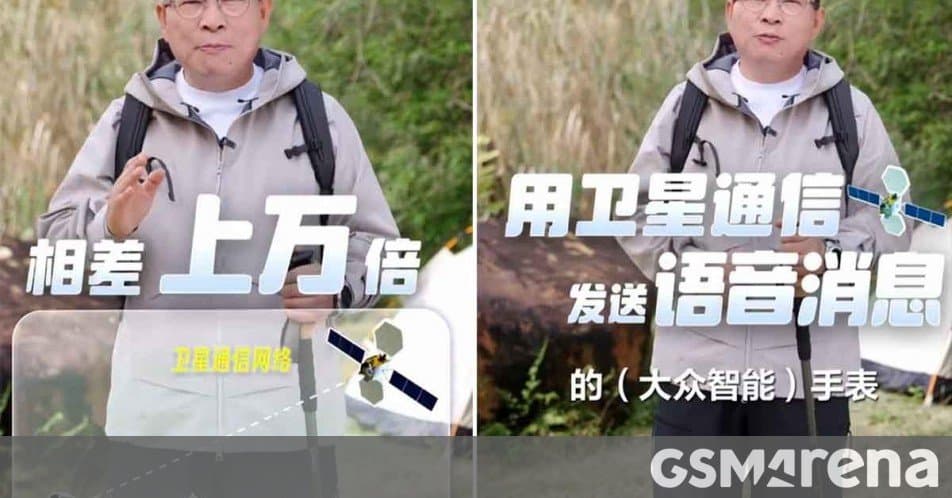
Huawei is breaking down barriers by bringing satellite connectivity to more affordable smartphones and wearables, ensuring users stay connected even in areas without traditional mobile coverage.
Huawei's Chairman of the Board of Directors for the Consumer Business Group, Richard Yu, has announced a significant expansion of the company's satellite connectivity capabilities. In a move that could redefine emergency communication accessibility, Huawei plans to extend satellite connectivity features beyond its premium device lineup to more affordable smartphones and smartwatches.
Currently, satellite connectivity is primarily available in high-end devices, limiting its availability to consumers who can afford premium smartphones. By democratizing this technology, Huawei aims to address a critical connectivity gap that affects billions of people worldwide who live or travel outside traditional mobile network coverage areas.
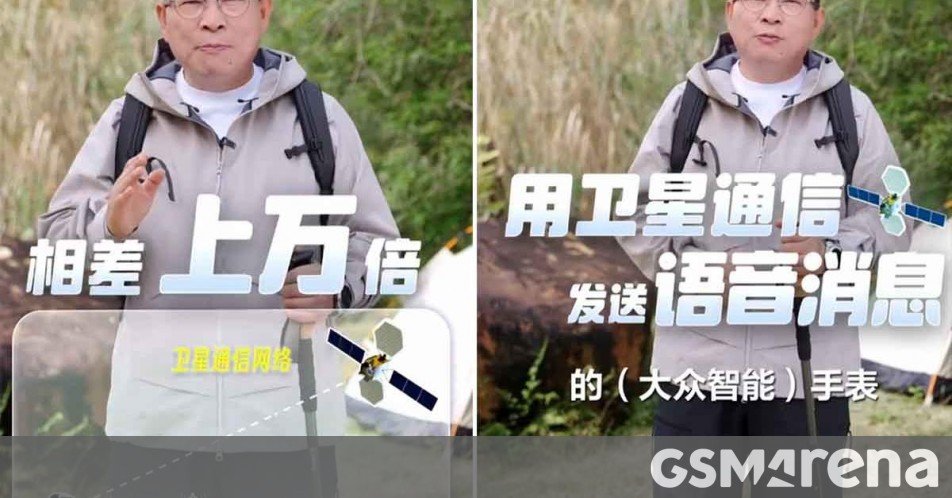
The expansion comes as mobile network coverage continues to leave significant portions of the planet unconnected. According to Yu, "mobile networks don't cover enough of the world," leaving connectivity struggles in remote areas, during natural disasters, and in emergency situations where traditional infrastructure may be compromised. Satellite technology presents a viable solution to bridge these connectivity gaps.
Huawei's approach goes beyond basic emergency SOS functionality. The company is developing a comprehensive satellite communication service that will enable users to send and receive text messages in non-emergency scenarios as well. This broader functionality transforms satellite connectivity from a safety feature into a practical communication tool for everyday use.
A key technological advancement enabling this expansion is Huawei's development of AI-powered encoding and decoding systems. These systems make transmitting voice messages through satellites significantly more efficient. The AI encoder compresses messages to minimize bandwidth requirements, while the decoder restores the data to its original format at the receiving end. This innovation reduces transmission time and power consumption, making satellite communication more practical for consumer devices.
The inclusion of satellite connectivity in affordable smartwatches represents a particularly strategic move. Wearables are often the first line of communication in emergency situations, especially for outdoor enthusiasts, travelers, and workers in remote locations. By making this feature accessible in more affordable devices, Huawei can potentially save lives by ensuring that critical communication capabilities aren't limited to those who can purchase premium technology.
From an ecosystem perspective, this expansion strengthens Huawei's position in the global telecommunications market, particularly in regions where reliable connectivity remains a challenge. It also aligns with the company's HarmonyOS ecosystem strategy, creating a unified experience across device categories while addressing practical user needs.
The move comes amid growing competition in satellite connectivity, with other manufacturers also exploring ways to integrate satellite communication into consumer devices. However, Huawei's commitment to making this technology accessible across its entire price range sets it apart from competitors who have thus far focused exclusively on premium segments.
As Huawei continues to develop this technology, the company faces challenges related to regulatory approvals, partnerships with satellite service providers, and ensuring reliable performance across different geographic regions. Nevertheless, the promise of expanded satellite connectivity represents a significant step toward making global communication truly universal.
Consumers can expect to see these features gradually rolling out across Huawei's device lineup, with more affordable smartphones and smartwatches gaining satellite communication capabilities in the coming months and years. This development could set a new standard for the industry, potentially prompting other manufacturers to follow suit in making emergency communication more widely accessible.
Comments
Please log in or register to join the discussion