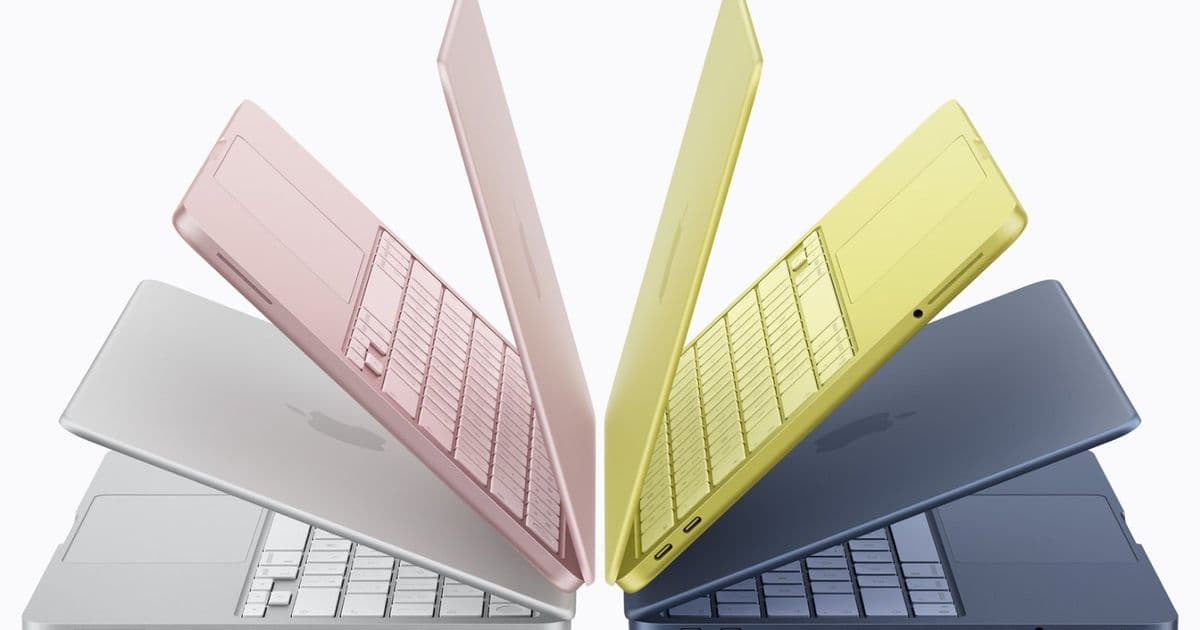
Huawei's rumored MateBook Neo could undercut Apple's MacBook Neo by $145 while offering double the RAM and quadruple the storage, powered by the Kirin 9030 Pro chipset.
Huawei is reportedly preparing to launch the MateBook Neo, a direct competitor to Apple's upcoming MacBook Neo that could offer significantly better specifications at a lower price point. According to leakers Digital Chat Station and Hyperdimensional Realm, the MateBook Neo may debut alongside a refreshed MateBook 14, though exact timing remains unclear.
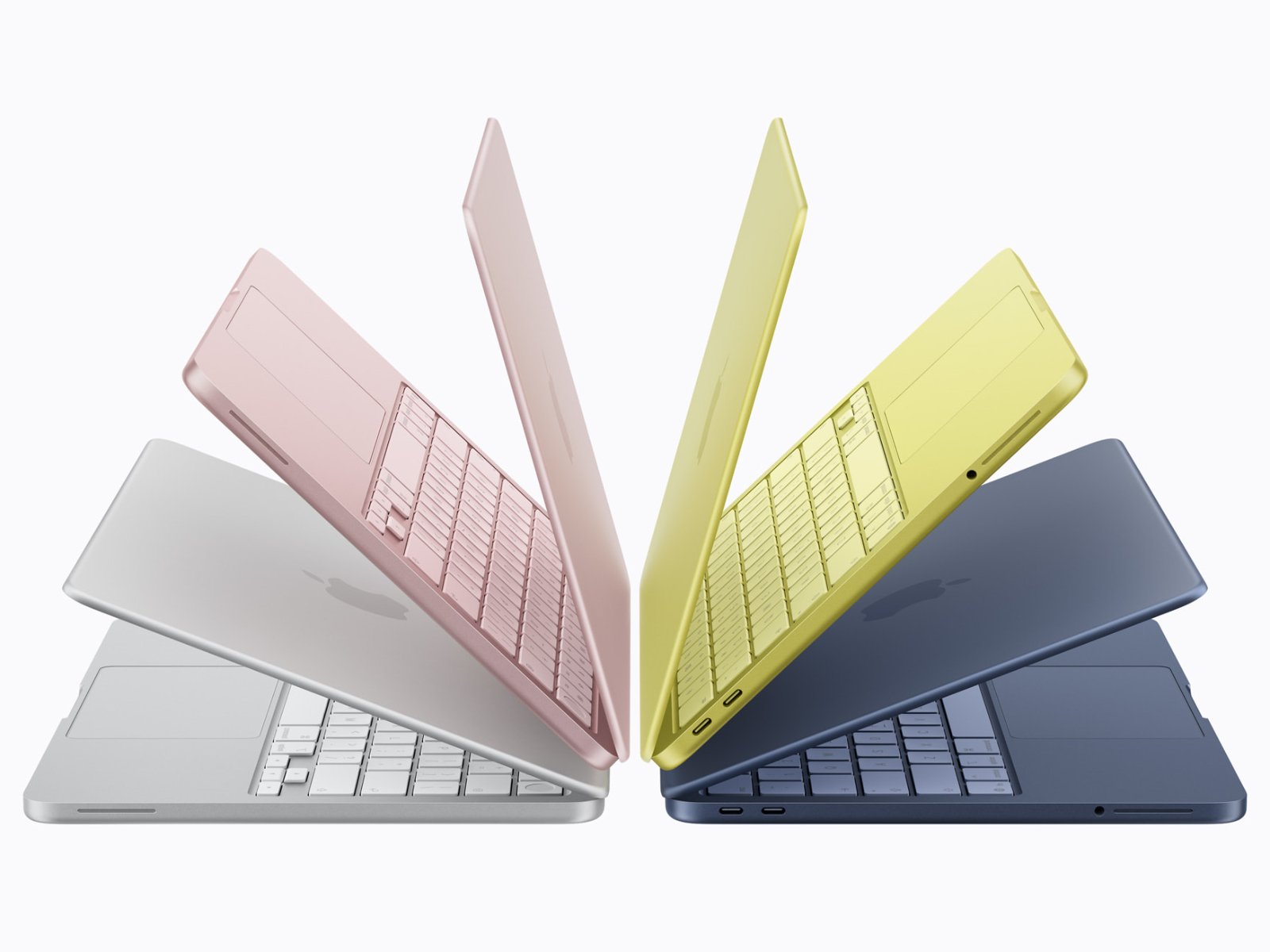
Pricing Advantage The most immediate advantage for Huawei appears to be pricing. While Apple's MacBook Neo starts at $599 for pre-order, the MateBook Neo is expected to launch at around CNY 4,000, which translates to approximately $575. This represents a $145 savings compared to Apple's entry-level model, though the MateBook Neo will likely face different market positioning and ecosystem considerations.
Performance Specifications The MateBook Neo's specifications suggest a substantial performance advantage over its Apple counterpart. At the heart of the device will be Huawei's Kirin 9030 Pro chipset, a 5 nm-class processor that's already proven in other flagship Huawei devices including the Mate X7, Mate 80 Pro Max, Mate 80 RS Ultimate, and certain Mate 80 Pro variants.
This chipset features 9 CPU cores, 14 threads, and a Maleoon 935 GPU, providing robust processing capabilities for a device in this category. The MateBook Neo is expected to support up to 24 GB of RAM and 1 TB of storage, representing a significant leap over Apple's MacBook Neo, which offers only 8 GB of unified memory and storage options capped at 512 GB.
Market Positioning While Apple's MacBook Neo targets the entry-level premium laptop market with its unified memory architecture and tight hardware-software integration, Huawei appears to be positioning the MateBook Neo as a more spec-heavy alternative at a competitive price point. This strategy mirrors Huawei's approach in the smartphone market, where the company often emphasizes hardware specifications and value proposition.
Ecosystem Considerations The comparison between these devices extends beyond raw specifications. Apple's MacBook Neo will benefit from deep integration with macOS, iOS, and the broader Apple ecosystem, including features like Handoff, Universal Clipboard, and seamless device pairing. Huawei's offering will likely emphasize its own HarmonyOS ecosystem and compatibility with other Huawei devices, though this may have limited appeal outside of markets where Huawei maintains strong presence.
Release Timeline Apple's MacBook Neo is set to begin shipping on March 11, with independent reviews expected to follow shortly after. The MateBook Neo's release timeline remains uncertain, though its development appears to be in advanced stages given the detailed specifications already leaked. The device may launch in the coming months, potentially capitalizing on the initial buzz around Apple's new entry-level MacBook.
Technical Architecture The Kirin 9030 Pro's architecture suggests Huawei is targeting users who prioritize expandable memory and storage over the efficiency gains of Apple's unified memory approach. The 24 GB RAM configuration would be particularly appealing for users running multiple applications simultaneously or working with large datasets, while the 1 TB storage option addresses the growing need for local storage in an era of high-resolution media and large application sizes.
For consumers weighing these options, the decision will likely hinge on ecosystem preference, budget constraints, and specific use case requirements. Those deeply invested in Apple's ecosystem may find the MacBook Neo's integration worth the premium, while users prioritizing raw specifications and value may find the MateBook Neo's offering more compelling.
As both devices prepare for market release, the competition between these two approaches to entry-level premium laptops will provide interesting insights into how different manufacturers balance performance, price, and ecosystem integration in an increasingly competitive market.
Comments
Please log in or register to join the discussion