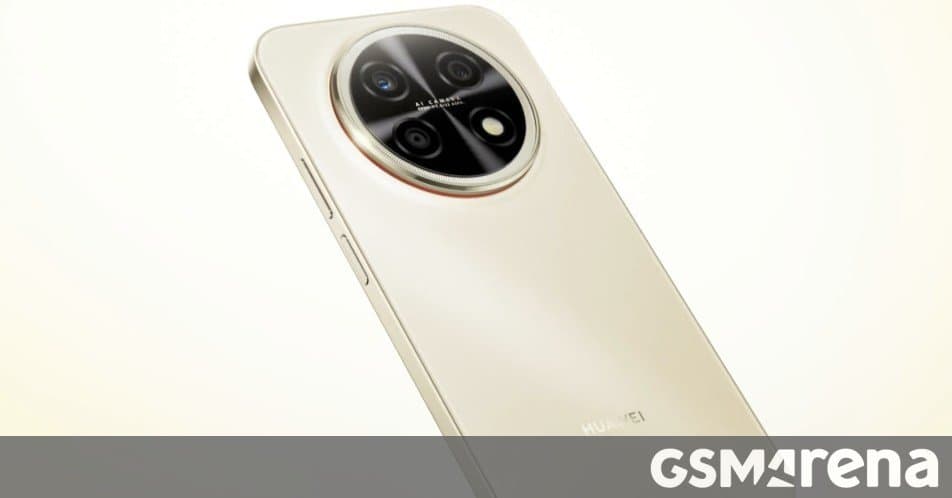
Huawei expands its global mid-range lineup with the nova 15 Max, a rebadged version of the China-exclusive Enjoy 90 Pro Max that packs a massive 8,500mAh silicon-carbon battery, 120Hz OLED display, and 4G-ready Kirin 8000 chipset, starting at €449 in select European markets.
Announcement
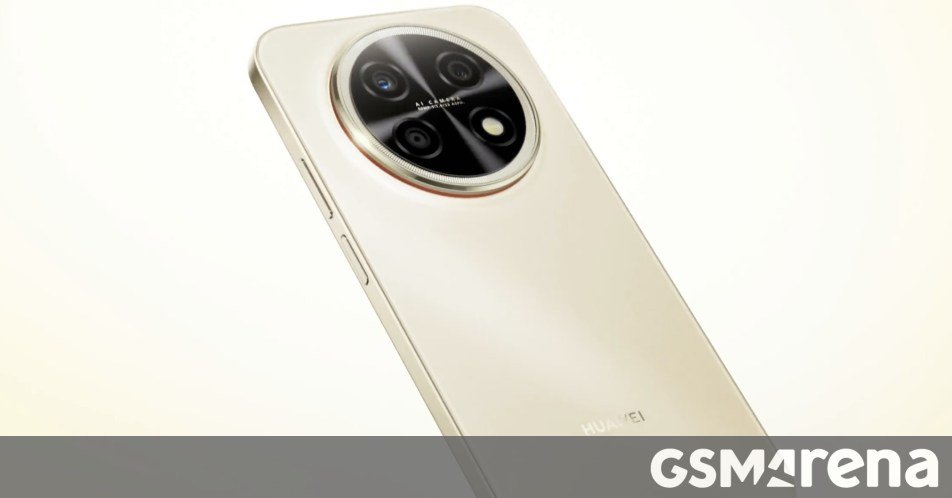
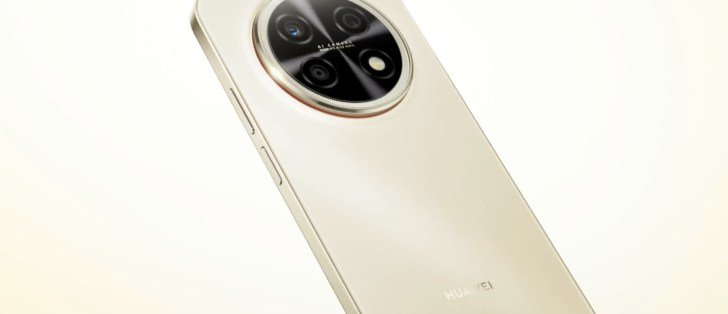
Huawei held a launch event in Thailand on May 7, 2026, to debut the nova 15 Max, following a teaser campaign the prior week that promised a mid-range device with standout battery performance. The phone is not a new design from the ground up. It is a rebadged version of the Enjoy 90 Pro Max, a model that launched exclusively in China in March 2026. This rebranding strategy is common for Huawei, which frequently repurposes hardware developed for the Chinese market to reduce research and development costs for global releases. The two devices share identical external designs, including the circular rear camera module and side-mounted X button, and nearly all internal specifications.
Huawei did not disclose the exact chipset powering the nova 15 Max during the announcement, but all signs point to the Kirin 8000, the same mid-range processor found in the Enjoy 90 Pro Max. This 5nm in-house chipset supports only 4G connectivity, a limitation that carries over to the global nova 15 Max model.
The nova 15 Max will launch first in Thailand, with rollout to select European and global markets in the coming weeks. It will be sold in Blush Gold, Golden Black, and Lake Cyan color options, starting at €449 in European regions. Huawei confirmed the device will not be available in the United States due to existing trade restrictions.
Key Hardware Features
The nova 15 Max’s spec sheet targets users who prioritize practical, long-lasting performance over high-end camera arrays or 5G connectivity.
Display
The device features a 6.84-inch OLED panel with FHD+ resolution (1080 x 2376 pixels) and a 120Hz refresh rate. OLED technology delivers deep blacks, high contrast ratios, and wide viewing angles, while the 120Hz refresh rate ensures smooth scrolling in apps, web pages, and supported games. The panel is flat, with thin bezels on all sides, and houses an 8MP front-facing camera in a small centered punch-hole cutout.
Performance and Storage
As noted earlier, the Kirin 8000 chipset is the expected processor for the nova 15 Max. This octa-core chipset includes four high-performance Cortex-A78 cores and four efficiency-focused Cortex-A55 cores, paired with a Mali-G610 GPU. While Huawei did not announce RAM or storage configurations for the global model, the China-market Enjoy 90 Pro Max offers 8GB and 12GB RAM options alongside 256GB and 512GB of onboard storage. The nova 15 Max is widely expected to match these configurations, with no microSD card slot for expansion, a common omission in Huawei’s recent mid-range devices.
Camera System
The rear camera setup is simple, with two sensors housed in a circular module. The primary sensor is a 50MP unit with an RYYB color filter array, which replaces the standard green pixels in typical RGGB sensors with yellow pixels. This design captures approximately 40% more light than conventional sensors, improving low-light photo quality and dynamic range. The secondary 2MP sensor is likely a depth or macro unit, used for portrait mode background blur or close-up shots. There is no telephoto lens for optical zoom, a cost-saving measure typical of mid-range devices. The front 8MP camera supports 1080p video recording for selfies and video calls.
Battery and Charging
The headline feature of the nova 15 Max is its 8,500mAh battery, a capacity far larger than the 5,000-6,000mAh batteries found in most competing mid-range phones. A related announcement for the Enjoy 90 series confirms that Huawei uses silicon-carbon (Si-C) battery technology here, which replaces traditional graphite anodes with a silicon-carbon composite. This increases energy density by 20-30% compared to standard lithium-ion batteries, allowing the larger capacity without adding significant thickness or weight to the phone. The battery supports 40W wired fast charging, which can top up the phone from 0 to 50% in roughly 30 minutes, with a full charge taking approximately 1 hour and 40 minutes. Huawei does not mention wireless charging support.
Additional Features
The nova 15 Max includes a side-mounted fingerprint scanner, which is faster and more reliable than under-display optical scanners in this price range. An infrared sensor (IR blaster) is built into the top of the phone, allowing users to control TVs, air conditioners, and other IR-compatible home appliances. Connectivity options include Wi-Fi 7 (the latest Wi-Fi standard, offering speeds up to 30Gbps and low latency for streaming and gaming), Bluetooth 5.2, GPS, NFC for contactless payments, and a USB Type-C 2.0 port for charging and data transfer. A dedicated X button sits on the right side of the phone, above the power button, which can be customized to launch apps, toggle settings like flashlight or do not disturb, or trigger quick actions. The phone also holds SGS five-star durability certification, meaning it passes drop tests from 1.5 meters onto hard surfaces and resists minor scratches and impacts in daily use.
OS and Ecosystem Context
Huawei did not specify the preinstalled operating system for the nova 15 Max, but the Enjoy 90 Pro Max launched with HarmonyOS 4.2, so the global model is all but certain to ship with the same build. HarmonyOS is Huawei’s in-house operating system, which replaced Android on the company’s devices after U.S. trade restrictions blocked access to Google Mobile Services (GMS). This means the nova 15 Max will not have the Google Play Store, Gmail, Google Maps, YouTube, or other Google apps preinstalled. Instead, it uses Huawei Mobile Services (HMS) and the AppGallery storefront, which hosts many popular global apps but lacks some region-specific or Google-exclusive titles. Sideloading Android apps is possible via APK files, but this is not officially supported and may pose security risks.
Ecosystem integration is a key strength for Huawei devices. HarmonyOS supports cross-device features with other Huawei hardware, including the newly announced Huawei Watch Fit 5 series, Mate tablets, and laptops. Users can transfer files between devices with a single drag, forward calls from their phone to a tablet, or share clipboards across Huawei hardware. For users already invested in the Huawei ecosystem, the nova 15 Max is a low-cost addition that fits seamlessly into their existing setup. For new users, the lack of Google services and 4G-only connectivity may be significant barriers, especially in European markets where 5G coverage is widespread and Google services are the default for most consumers.
Comments
Please log in or register to join the discussion