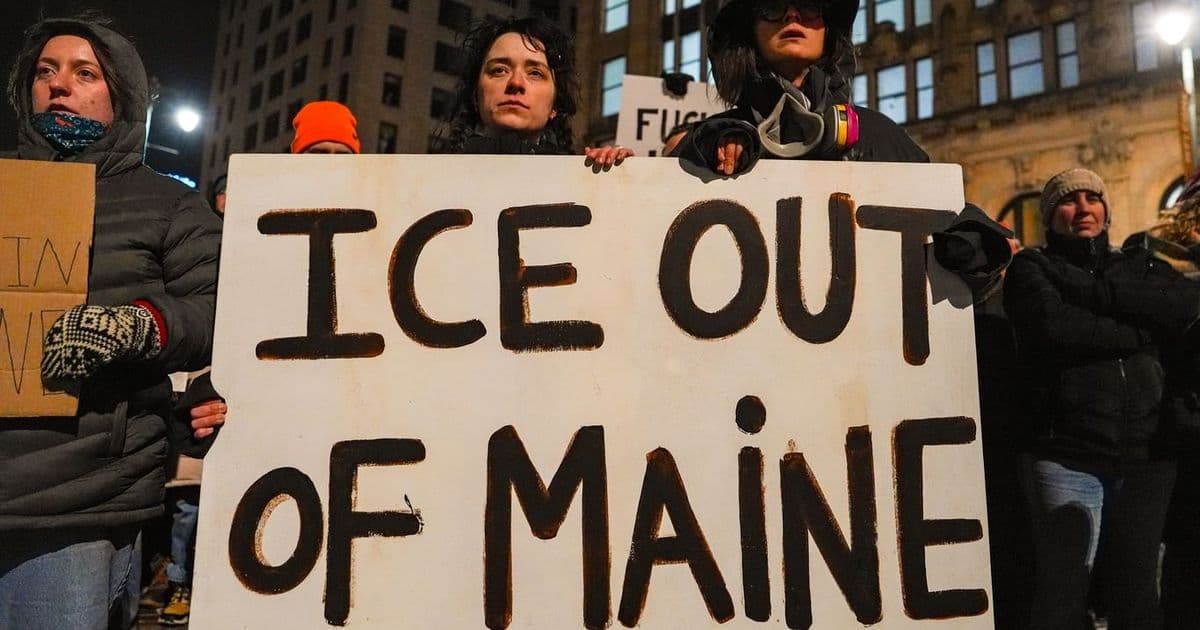
Immigration and Customs Enforcement has concluded its operations in Maine, according to Senator Susan Collins, following weeks of heightened enforcement activity that sparked protests and political debate.
Immigration and Customs Enforcement has ended its recent surge of operations in Maine, according to Senator Susan Collins, marking a significant shift in federal immigration enforcement in the state.
Background on Maine Operations
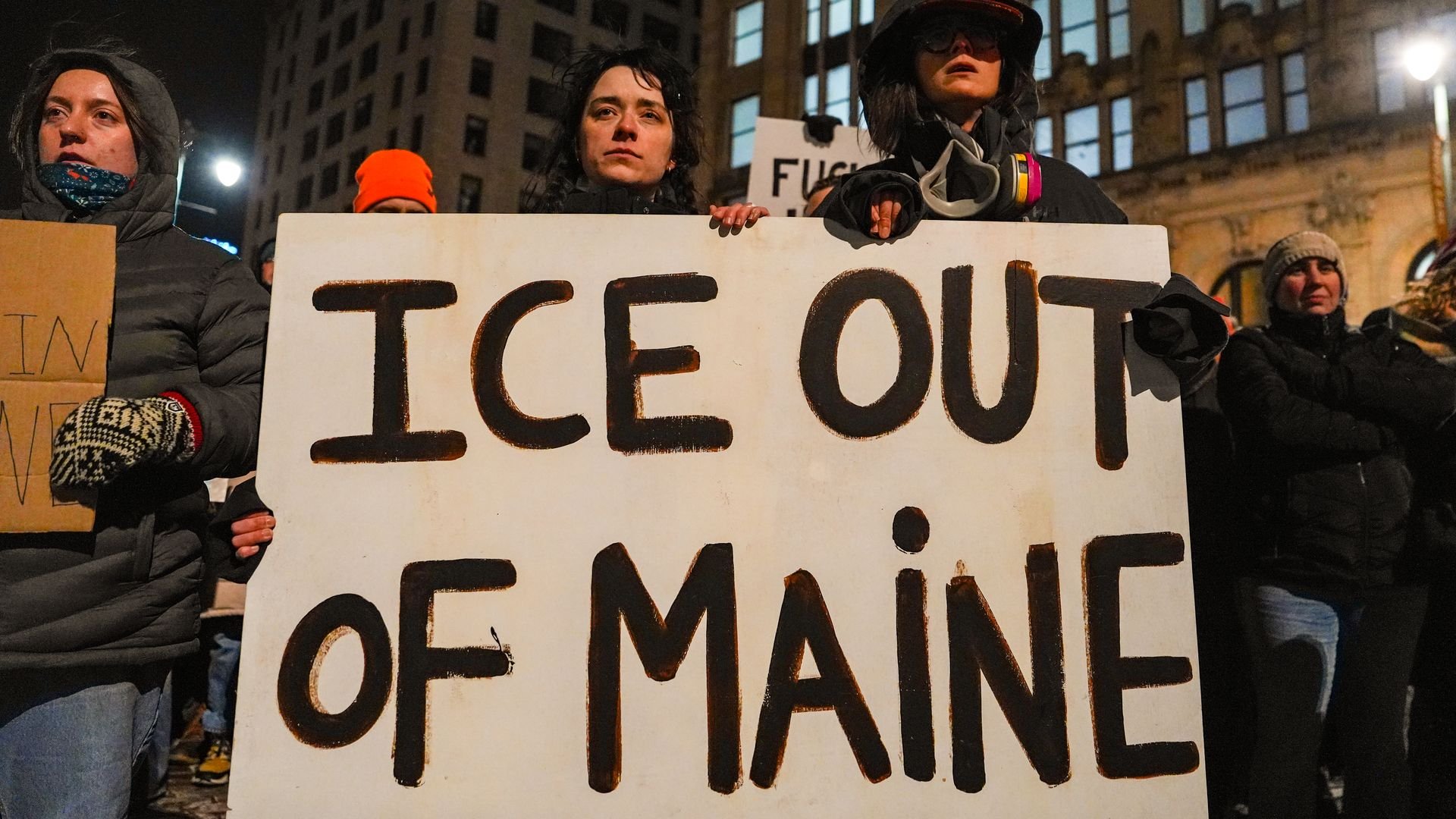
The surge, which began in late December 2025, saw ICE agents conducting increased workplace raids and community operations across Maine's major cities, including Portland, Bangor, and Lewiston. During the three-week period, ICE reported apprehending 47 individuals with prior deportation orders or criminal convictions.
Local immigrant advocacy groups documented over 200 encounters between ICE agents and community members, with many residents reporting increased anxiety and disruption to daily life. Schools in Portland reported higher absenteeism rates among immigrant families during the enforcement period.
Senator Collins' Statement
Senator Collins, a Republican representing Maine, confirmed the end of the surge in a statement released Tuesday morning. "After careful coordination with federal authorities, I can confirm that the temporary increase in ICE operations in Maine has concluded," Collins said. "Moving forward, enforcement will return to normal operational levels consistent with our state's needs and federal priorities."
Collins had previously expressed concerns about the surge's impact on Maine's economy, particularly in the state's agricultural and seafood processing sectors that rely heavily on immigrant labor. She noted that several Maine businesses reported staffing shortages during the enforcement period.
Economic Impact Analysis
The Maine Department of Labor released preliminary data showing the surge's economic effects:
- 12% increase in temporary agricultural worker vacancies
- 8% decline in seafood processing plant output
- 15% rise in reported labor shortages in construction sectors
- $3.2 million in estimated lost wages during the enforcement period
Maine's lobster industry, which employs approximately 4,000 seasonal workers annually, reported particular difficulties. The Maine Lobstermen's Association stated that several processing facilities operated at reduced capacity due to worker absences.
Community Response
Portland Mayor Kate Snyder praised the decision to end the surge, calling it "a necessary step toward restoring normalcy in our communities." The mayor noted that local law enforcement had received numerous calls from residents confused about their rights during ICE encounters.
Local immigrant rights organizations, including the Maine Immigrants' Rights Coalition, cautiously welcomed the news while emphasizing ongoing concerns about long-term immigration policy. "While we're relieved the surge has ended, our communities still face uncertainty," said coalition director Maria Rodriguez.
Federal Perspective
ICE officials stated that the surge achieved its stated objectives of targeting individuals with criminal records and outstanding deportation orders. The agency reported that 82% of those apprehended had prior convictions, primarily for immigration violations and minor offenses.
However, immigration attorneys in Maine reported that many of those detained had lived in the state for over a decade and had U.S. citizen children. The Maine American Civil Liberties Union filed several habeas corpus petitions on behalf of detainees, arguing that some arrests violated due process protections.
Looking Forward
The end of the Maine surge comes amid broader debates about immigration enforcement priorities at the federal level. Senator Collins indicated she would work with colleagues to develop more targeted enforcement approaches that balance security concerns with economic needs.
Maine's congressional delegation has scheduled a hearing next month to examine the long-term impacts of the surge on the state's economy and immigrant communities. The hearing will include testimony from business leaders, immigration advocates, and federal enforcement officials.
For now, Maine's immigrant communities are breathing a cautious sigh of relief as normal enforcement patterns resume, though many remain concerned about future policy changes that could affect their families and livelihoods.
Comments
Please log in or register to join the discussion