The US Securities and Exchange Commission has issued new guidance clarifying that tokenized stocks are subject to existing securities and derivatives regulations, with issuer approval required for true ownership.
The US Securities and Exchange Commission (SEC) has issued new guidance clarifying the regulatory status of tokenized stocks, confirming that these digital assets fall under existing securities and derivatives rules. The agency's statement emphasizes that issuer approval is required for true tokenized ownership, warning that many stock tokens sold to retail investors provide only indirect or synthetic exposure rather than actual ownership rights.
The clarification comes amid growing interest in tokenized securities, which represent traditional financial assets like stocks on blockchain platforms. While tokenization promises increased liquidity and accessibility, the SEC's guidance makes clear that these benefits cannot circumvent established regulatory frameworks designed to protect investors.
Key Regulatory Requirements
According to the SEC's statement, tokenized stocks must comply with the same registration, disclosure, and trading requirements as traditional securities. This includes:
- Registration with the SEC unless an exemption applies
- Compliance with broker-dealer regulations
- Adherence to anti-fraud provisions
- Proper disclosure of risks to investors
The agency specifically noted that many tokenized stock products currently available to retail investors do not provide true ownership of the underlying shares. Instead, these products often offer synthetic exposure or indirect claims on stock performance, which may not provide the same investor protections as direct ownership.
Issuer Approval and Ownership Rights
A critical aspect of the SEC's guidance is the requirement for issuer approval in tokenized stock arrangements. Companies whose shares are being tokenized must explicitly authorize such arrangements to ensure proper corporate governance and shareholder rights are maintained.
This requirement addresses concerns about unauthorized representation of company ownership and potential conflicts with corporate bylaws, voting rights, and dividend distributions. Without proper issuer approval, tokenized representations of stock may lack legal standing and could expose both issuers and investors to regulatory and legal risks.
Market Impact and Industry Response
The SEC's clarification is likely to have significant implications for platforms offering tokenized stock products. Many existing services may need to restructure their offerings or obtain proper regulatory approvals to continue operating legally.
Industry participants have expressed mixed reactions to the guidance. Some view it as necessary regulatory clarity that will help legitimate businesses operate within established frameworks, while others worry that the requirements may stifle innovation in the tokenization space.
Comparison to Traditional Securities
The SEC's approach to tokenized stocks mirrors its treatment of other digital assets that represent traditional financial instruments. The agency has consistently maintained that the economic reality of an investment product, rather than its technical implementation, determines its regulatory classification.
This principle means that whether a stock is represented physically, electronically, or through blockchain tokens, the same fundamental securities laws apply. The technology used to represent ownership does not change the underlying nature of the investment or the protections required for investors.
Future Regulatory Developments
The SEC's guidance on tokenized stocks is part of a broader effort to provide regulatory clarity in the digital asset space. As blockchain technology continues to evolve and find new applications in traditional finance, regulators are working to balance innovation with investor protection.
Market observers expect additional guidance on related topics, including the treatment of tokenized bonds, derivatives, and other financial instruments. The regulatory framework for digital assets remains in development, with ongoing discussions about how existing laws can be applied to new technological paradigms.
Implications for Retail Investors
For retail investors, the SEC's clarification serves as an important reminder to exercise caution when considering tokenized stock investments. The distinction between true ownership and synthetic exposure can have significant implications for voting rights, dividend payments, and bankruptcy claims.
Investors should carefully review the terms of any tokenized stock product to understand exactly what rights and protections they are receiving. Products offering only indirect exposure may carry different risk profiles and legal protections than traditional stock ownership.
Global Regulatory Landscape
The SEC's approach to tokenized stocks reflects a broader trend among financial regulators worldwide to apply existing securities laws to digital asset innovations. Similar guidance has emerged from regulators in Europe, Asia, and other regions as they grapple with the intersection of traditional finance and blockchain technology.
This coordinated regulatory approach suggests that the tokenization of traditional assets will likely follow established securities frameworks globally, rather than creating entirely new regulatory paradigms.
The SEC's clarification provides much-needed regulatory certainty for tokenized stocks, establishing that these digital assets must comply with existing securities and derivatives rules. As the market for tokenized securities continues to develop, this guidance will help shape how traditional financial assets are represented and traded on blockchain platforms while ensuring appropriate investor protections remain in place.
[IMAGE:1]
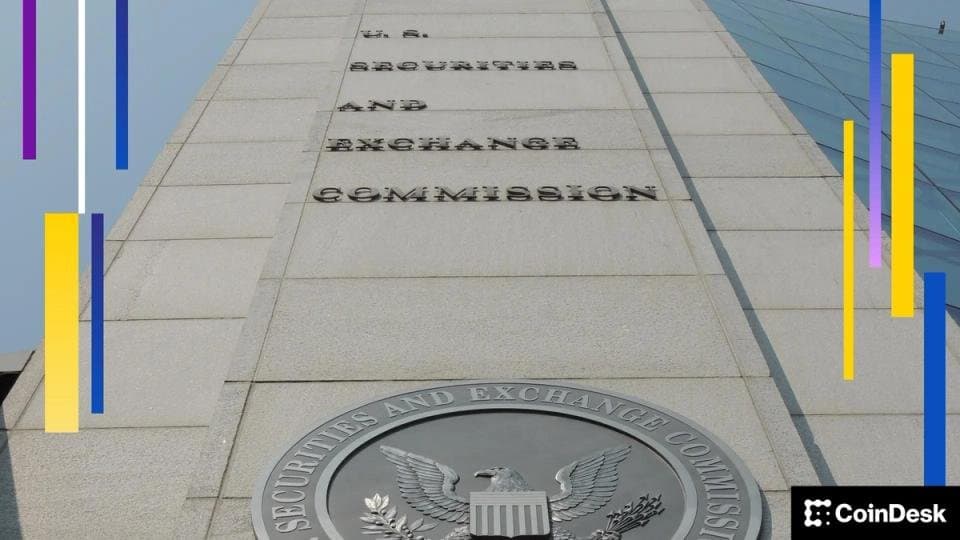
The featured image illustrates the intersection of traditional securities markets and blockchain technology, representing the regulatory framework governing tokenized stocks.
Comments
Please log in or register to join the discussion