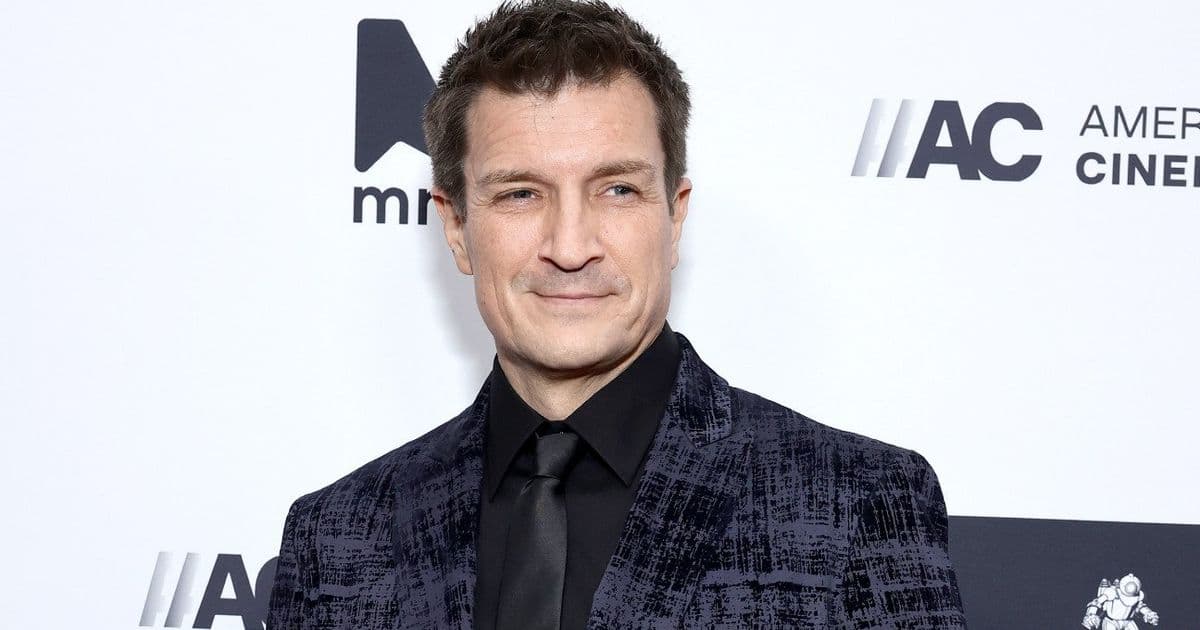
Nathan Fillion's announcement of an animated Firefly reboot exemplifies how canceled cult classics find new life through animation and digital platforms, reflecting broader shifts in entertainment production and audience engagement.
The entertainment landscape continues to evolve as canceled cult classics increasingly find second acts through animation. Nathan Fillion's recent announcement of an animated Firefly series represents more than just a revival—it signals a significant pattern in how legacy properties are being reimagined for contemporary audiences.
The animated reboot, developed through Fillion's Collision33 production company in partnership with 20th Television Animation, demonstrates how animation has become a viable medium for reviving canceled live-action properties. This approach offers creative flexibility while potentially reducing production costs compared to live-action sci-fi. The series will be set between the original 2002 TV run and the 2005 film Serenity, suggesting a strategic approach to expanding the franchise timeline without directly contradicting existing canon.
The production details reveal an interesting convergence of traditional and modern approaches. The involvement of Oscar and Emmy-winning animation studio ShadowMachine indicates a commitment to quality visual storytelling, while the script already being written suggests this project has moved beyond the conceptual phase. The showrunners, Tara Butters and Marc Guggenheim, bring experience from successful genre shows like Agent Carter and Arrow, demonstrating how established creators are being tapped to shepherd beloved franchises into new formats.
This Firefly reboot exemplifies a broader trend in entertainment where animation serves as a bridge between legacy properties and modern audiences. The original series developed a passionate following through DVD sales and streaming platforms after its cancellation, demonstrating how digital distribution can sustain interest in canceled shows. The animated format allows for creative storytelling that might be prohibitively expensive in live-action, particularly for a space western with elaborate ship designs and alien worlds.
The social media campaign that preceded the announcement highlights another significant shift in how entertainment news is disseminated and consumed. Fillion and the cast used viral teases to build anticipation, leveraging their personal connections with fans to create organic buzz. This grassroots approach contrasts with traditional studio marketing strategies, demonstrating how creators can directly engage with their audience in the digital age.
However, this approach isn't without its challenges. Some fans may question whether animation can capture the essence of the original series, which was celebrated for its grounded characters and blend of genres. The live-action format contributed significantly to the show's unique aesthetic and chemistry among the cast. Additionally, the animated format may present limitations in terms of the scope and scale that can be achieved compared to live-action with practical effects.
The involvement of Joss Whedon, the original series creator, adds an important layer of authenticity to the project. His blessing suggests a level of creative continuity that fans would expect from a true continuation of the Firefly universe. This creator involvement has become increasingly important in franchise revivals, as audiences have become more discerning about which projects feel authentic versus those that merely exploit familiar names.
From a business perspective, this animated reboot represents a strategic approach to franchise extension. By setting the story between the existing TV and film continuity, the creators avoid directly contradicting established canon while still expanding the Firefly universe. This approach allows for new stories that appeal to both existing fans and potential new viewers who may not be familiar with the original series.
The Firefly animated revival also reflects how streaming platforms and digital distribution have transformed the economics of television. Where a canceled series might have remained in the past, digital platforms now provide multiple avenues for reviving and expanding franchises. This has created a new ecosystem where cult classics can find audiences years after their initial cancellation, often through formats that wouldn't have been viable in the traditional television landscape.
As this animated Firefly series moves toward production and potential distribution, it will be interesting to see how it balances nostalgia with innovation. The project represents a fascinating case study in how legacy properties can be reimagined for contemporary audiences while maintaining the essence that made them special in the first place. Whether this approach becomes a template for other canceled series remains to be seen, but the Firefly animated reboot undoubtedly marks an important moment in the evolution of franchise storytelling in the digital age.
For more information about the original Firefly series and its legacy, you can explore the official Firefly wiki or learn more about the original series on IMDb.
Comments
Please log in or register to join the discussion