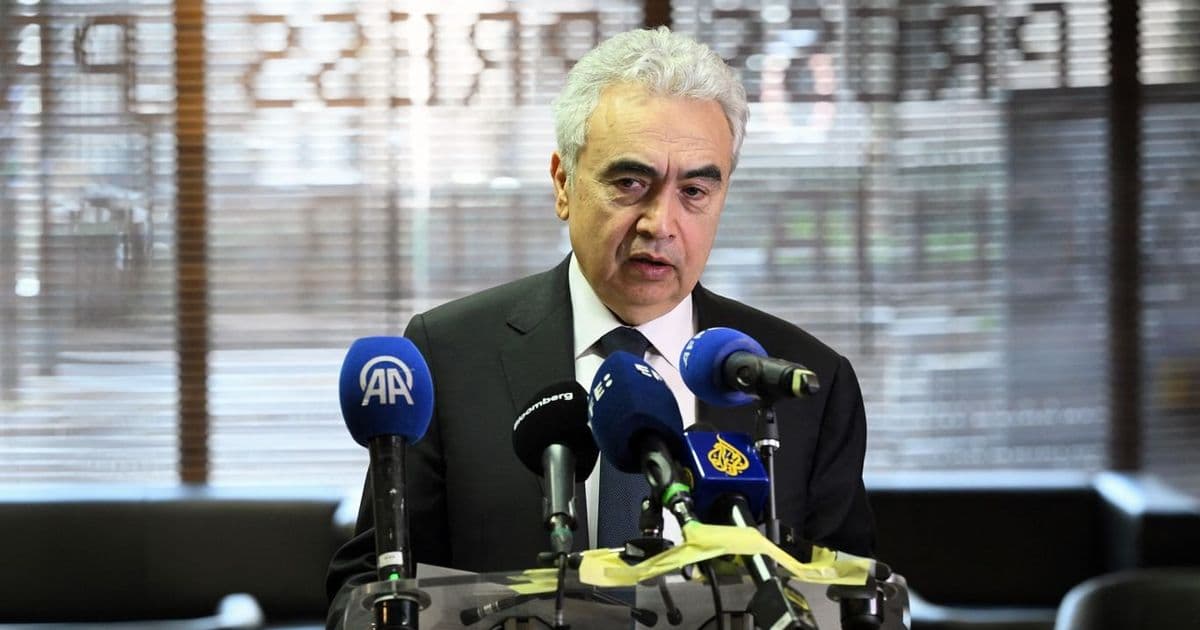
The International Energy Agency has launched its largest emergency oil release ever, mobilizing 1.5 billion barrels from member countries' strategic reserves to stabilize global markets following Iran's missile attacks on Israel.
The International Energy Agency (IEA) has announced an unprecedented emergency oil release of 1.5 billion barrels from member countries' strategic reserves, marking the largest coordinated action in the agency's 50-year history. The move comes as global oil markets face severe disruption following Iran's missile attacks on Israel last week, which have raised fears of a wider regional conflict.
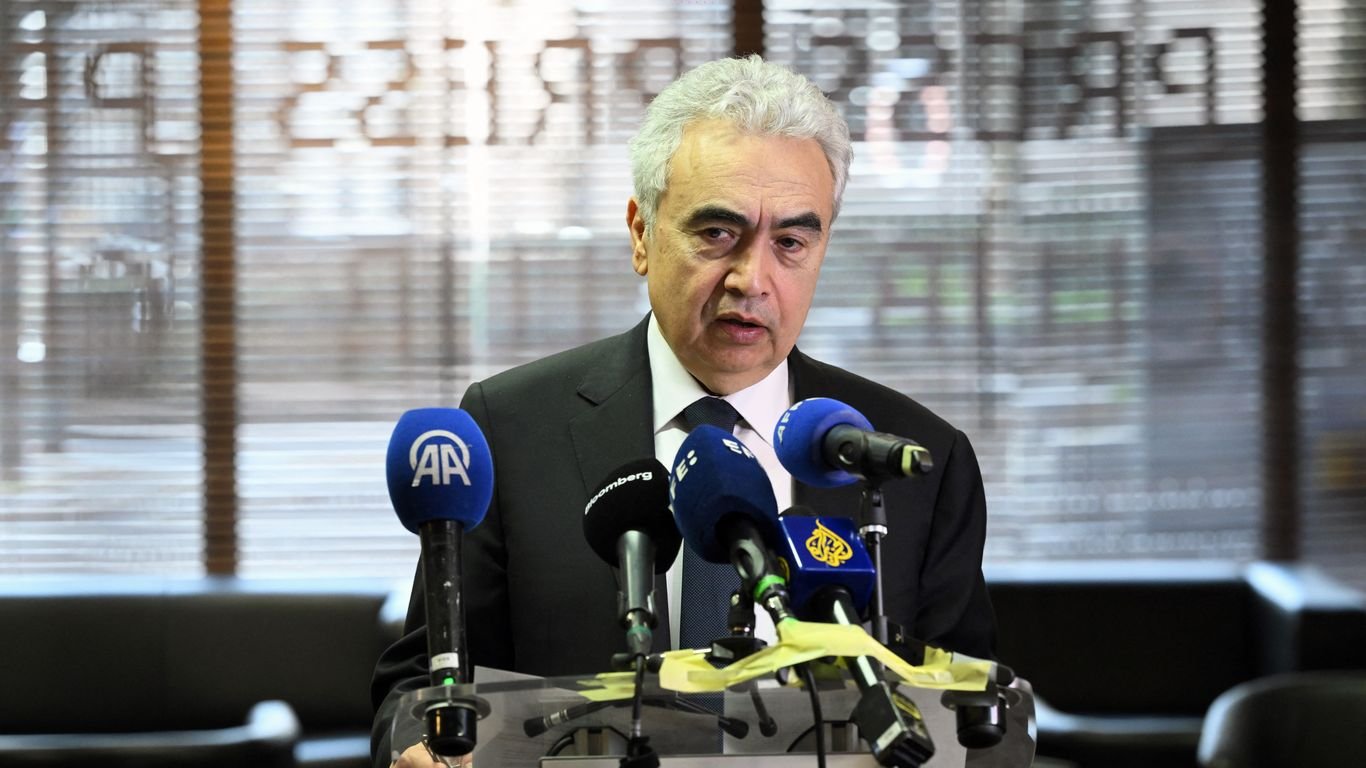
IEA Executive Director Fatih Birol called the release "historic" during a press conference in Brussels, noting that the scale of the intervention reflects the severity of the supply shock. The United States will contribute approximately 600 million barrels, while Japan, Germany, and the United Kingdom will each release over 100 million barrels from their strategic reserves.
The coordinated release represents roughly 1.5% of global daily oil consumption and is designed to offset the immediate supply disruptions caused by the conflict. Oil prices surged to $92 per barrel following Iran's attacks before stabilizing somewhat after the IEA announcement, though analysts warn that prices could spike again if the conflict escalates.
Market Context and Strategic Implications
The emergency release comes at a critical juncture for global energy markets. Iran, the world's seventh-largest oil producer, has threatened to close the Strait of Hormuz, through which approximately 20% of global oil supplies pass daily. The IEA's action aims to provide a buffer against potential supply disruptions while diplomatic efforts continue.
Energy analysts note that this marks the fourth time the IEA has coordinated an emergency release, but the first since 2011 during the Libyan civil war. The scale of this intervention dwarfs previous actions, reflecting both the magnitude of the current supply shock and the lessons learned from past crises.
Economic Impact
The release is expected to provide temporary relief to consumers facing rising fuel costs. The U.S. Energy Information Administration projects that gasoline prices could rise by an additional 25 cents per gallon if the conflict continues, potentially pushing the national average above $4 per gallon.
However, economists caution that the strategic reserve release is a short-term measure. "This buys time, but it doesn't solve the underlying supply-demand imbalance," said Sarah Johnson, energy market analyst at Goldman Sachs. "The real question is whether this conflict will lead to sustained production disruptions from Iran and potentially other Gulf producers."
Global Response
Several non-IEA member countries have indicated they may contribute to the effort. India, which holds substantial strategic reserves, is reportedly considering a release of up to 30 million barrels. China, the world's largest oil importer, has not yet committed to participating but has signaled openness to coordinated action.
The European Union has also announced complementary measures, including expedited approval for renewable energy projects and temporary fuel efficiency standards for transportation. These steps aim to reduce oil demand while the supply situation normalizes.
Looking Ahead
Energy experts emphasize that while the reserve release provides immediate relief, the long-term implications of the Iran-Israel conflict remain uncertain. The IEA has stated it will continue to monitor the situation closely and stands ready to take additional action if necessary.
"This is not a one-and-done solution," Birol emphasized. "We're in uncharted territory, and the global energy system remains vulnerable to further shocks."
The announcement has been met with mixed reactions from oil-producing nations. While some have expressed concern about the use of strategic reserves for geopolitical purposes, others have welcomed the move as necessary to prevent economic disruption.
As diplomatic efforts continue to de-escalate tensions in the region, the IEA's historic release serves as both a stabilizing force for energy markets and a stark reminder of the global economy's continued vulnerability to geopolitical instability in oil-producing regions.
Comments
Please log in or register to join the discussion