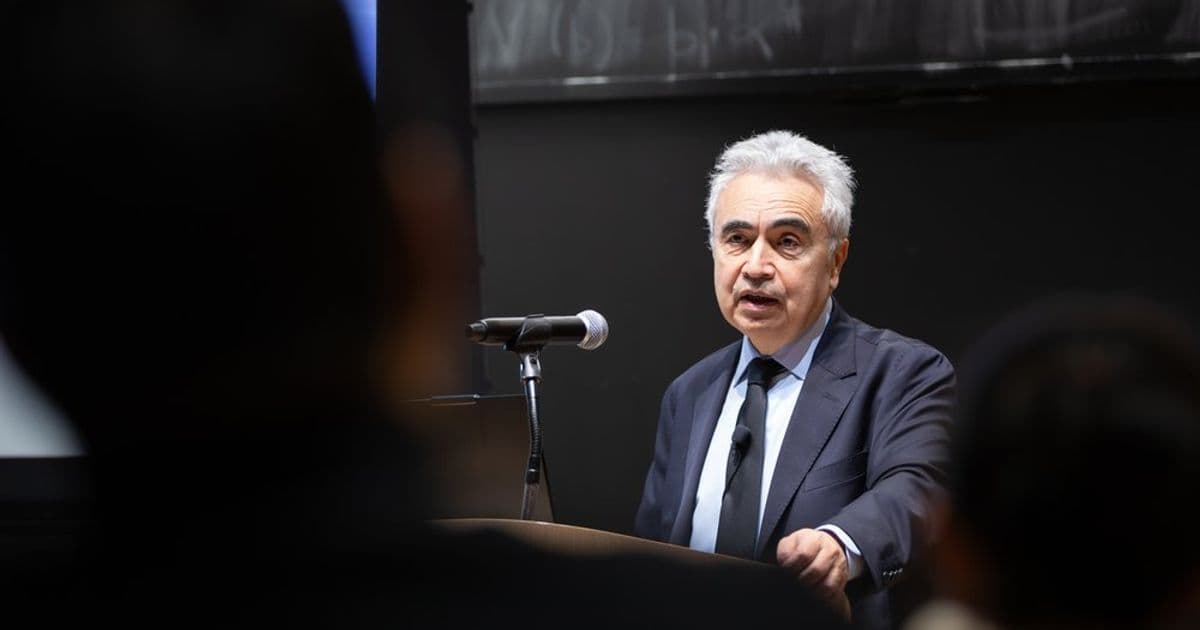
At MIT’s 2026 Earth Day Colloquium, IEA Executive Director Fatih Birol outlined how the war‑driven damage to Middle‑East oil and gas infrastructure threatens developing economies, pushes up fertilizer and helium prices, and accelerates a shift toward nuclear, renewables, and electric vehicles. He called for coordinated stock‑release, rapid conservation measures, and a redesign of the energy system to improve resilience and sustainability.
IEA Director Warns of Deep‑Set Global Energy Shock from Middle East Conflict
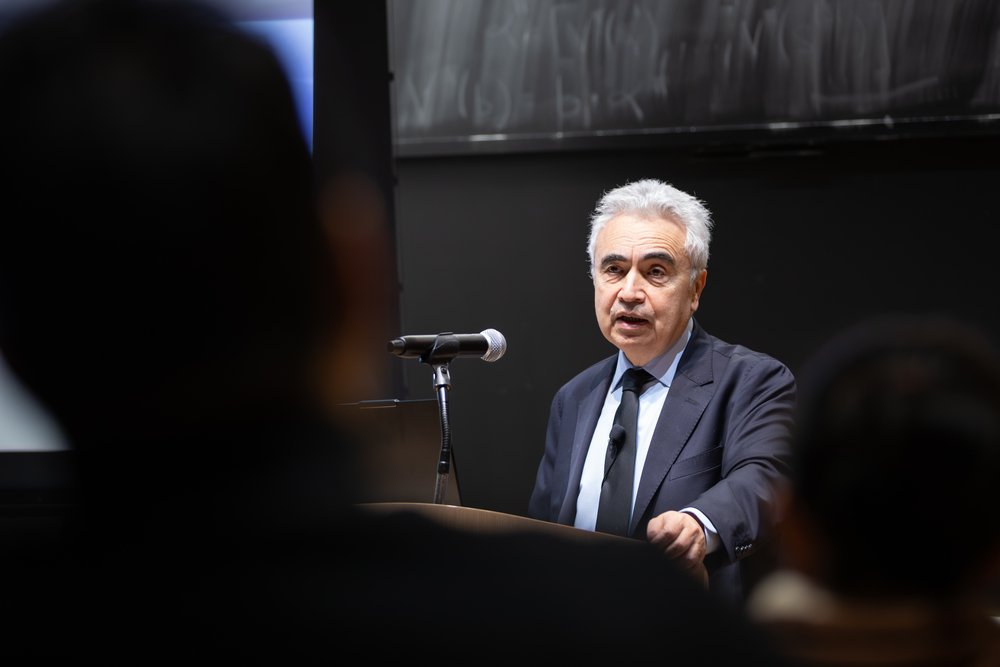
On April 8, 2026, Fatih Birol, executive director of the International Energy Agency (IEA), addressed MIT’s Energy Initiative (MITEI) Earth Day Colloquium. His briefing came just hours after a tentative cease‑fire between the United States and Iran, and it framed the current war in the Middle East as the largest energy crisis the world has faced.
Technical assessment of the disruption
Birol presented data received only two hours before the seminar: 80 energy facilities in the region have been damaged, with over one‑third suffering severe impairment. The immediate effect is a sharp reduction in both crude oil and natural gas output, eclipsing the combined losses of the 1973 oil embargo, the 1979 Iranian Revolution, and the 2022‑23 Russia‑Ukraine gas crisis.
Oil‑stock release strategy
The IEA mobilized its member countries—each required to hold strategic petroleum reserves—to release 400 million barrels of oil, the largest coordinated drawdown in its history. By flooding the market, the action dampened price spikes and demonstrated the agency’s capacity to translate analysis into rapid policy action.
Conservation recommendations
A suite of short‑term conservation measures was also issued, including:
- Mandatory reductions of non‑essential refinery runs in Europe and North America.
- Tiered fuel‑efficiency standards for heavy‑duty trucks.
- Accelerated shutdown of marginal gas‑fired peaker plants in the U.S. Midwest.
Many nations have already begun implementing these steps, which together are expected to shave roughly 2‑3 million barrels per day of demand off the global balance sheet.
Real‑world implications for vulnerable economies
Birol emphasized that the Strait of Hormuz—a 50‑km chokepoint for oil, gas, fertilizer feedstocks, and helium—now holds the world’s economy hostage. Disruption to fertilizer shipments threatens food security across Africa, South Asia, and Latin America, while helium shortages could impact high‑tech manufacturing.
Developing countries will feel the pinch in three ways:
- Higher energy prices that erode household disposable income.
- Inflationary pressure on food due to reduced fertilizer availability.
- Limited fiscal space to absorb the shock, potentially deepening sovereign debt burdens.
The IEA’s own modeling predicts a 3‑5 % increase in real GDP loss for the most exposed emerging markets if oil and gas supplies remain constrained for more than six months.
Longer‑term shifts in the global energy mix
Birol outlined three trajectories that could reshape the energy system over the next decade:
1. Renewed nuclear build‑out
Historical data shows that ~45 % of today’s nuclear fleet was constructed after the 1970s oil crises. Birol expects a similar response now, with particular interest in small modular reactors (SMRs) that can be deployed quickly and provide baseload power without the large capital outlays of traditional plants.
2. Accelerated renewable deployment
Europe’s renewable installations tripled after the Ukraine invasion; a comparable surge is likely elsewhere as governments chase domestic generation to reduce import dependence. Solar‑plus‑storage projects are already seeing policy incentives in the Gulf Cooperation Council (GCC) states.
3. Faster electric‑vehicle (EV) adoption in Asia
Asia accounts for over 50 % of global oil‑demand growth. Birol warned that a sustained price premium on oil could tip consumer and corporate fleets toward EVs, especially as battery‑cost curves continue to fall below $80 kWh.
What the crisis reveals about natural gas reliability
The dual gas crises of the past four years—first the Ukraine war, now the Middle‑East conflict—have shaken confidence in gas as a “affordable, flexible, reliable” bridge fuel. Birol called for:
- Diversified supply chains, including LNG from the U.S. Gulf Coast and Australia.
- Investment in pipeline resilience, such as burying critical segments and adding loop‑back capabilities.
- Enhanced market transparency, to avoid panic‑driven price spikes.
Path forward: building a resilient, sustainable system
Birol concluded with a pragmatic outlook. Even if the cease‑fire leads to a rapid restart of production, oil and gas flows will not instantly return to pre‑war levels. He expects 200 fully‑laden oil tankers and 15 LNG carriers to exit the Gulf within weeks, but market volatility will persist.
The IEA’s recommendations for a more secure future include:
- Strategic diversification of energy imports for vulnerable nations.
- Investment in domestic renewable generation and grid flexibility.
- International coordination on stock‑pile releases and demand‑side management during future shocks.
By aligning short‑term emergency actions with long‑term decarbonization goals, the global community can reduce the “energy‑security premium” that Birol warned will become a permanent feature of trade negotiations.
Further information
- Full transcript of Birol’s talk: MIT Energy Initiative – Earth Day Colloquium 2026
- IEA’s emergency oil‑stock release data: IEA Oil Reserves Dashboard
- Analysis of SMR development pathways: International Atomic Energy Agency – SMR Outlook 2025
- Renewable growth trends post‑Ukraine: Renewables Global Status Report 2025
The MIT Energy Initiative will continue its speaker series this fall, focusing on resilient energy system design and climate‑aligned policy frameworks.
Comments
Please log in or register to join the discussion