
India becomes the 12th nation to join the Pax Silica alliance, accelerating efforts to build semiconductor talent pools and reduce reliance on Chinese-dominated supply chains from rare earths to chipmaking tools.
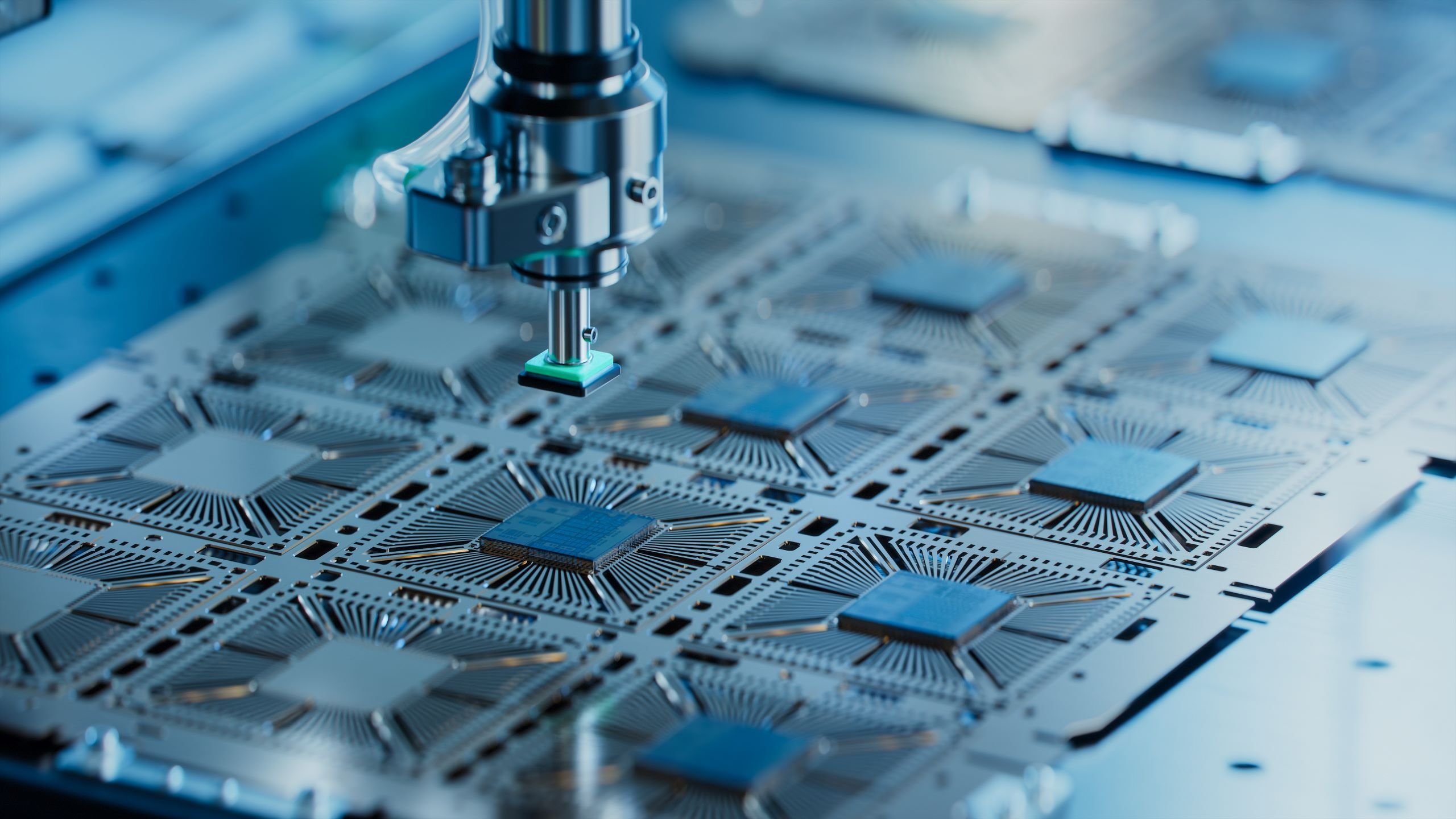
India has formally entered the Pax Silica initiative, a U.S.-led multinational effort to secure semiconductor supply chains, during the AI Impact Summit in New Delhi. The agreement positions India among 11 other technology-advanced economies including Japan, South Korea, and the Netherlands in restructuring global tech dependencies. U.S. Ambassador Eric Garcetti emphasized the partnership addresses "critical vulnerabilities in foundational technologies," spanning mineral extraction through advanced chip manufacturing.
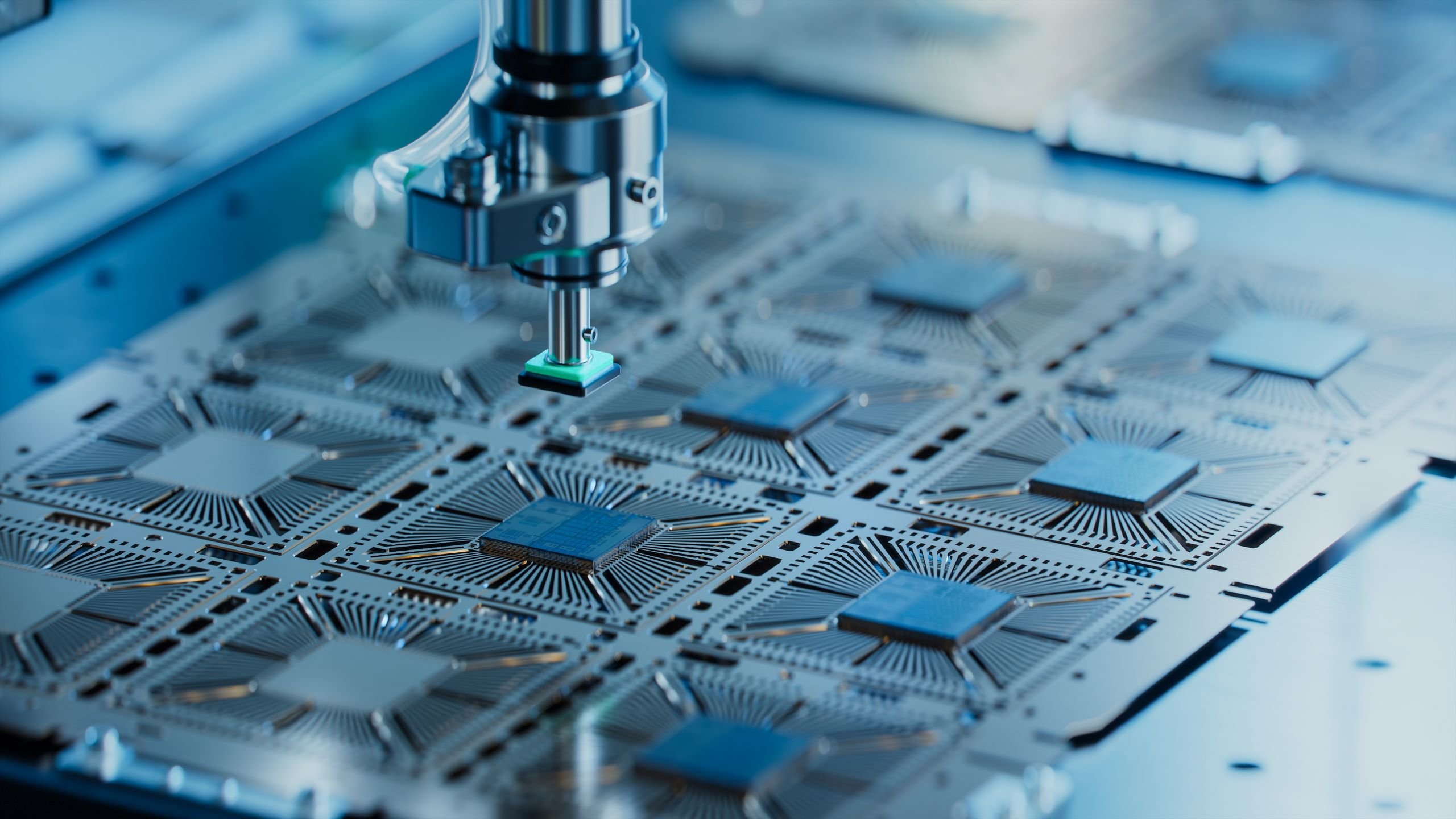
Structurally, Pax Silica coordinates policy across five strategic layers: rare-earth mining (where China controls 60% of global refining capacity), semiconductor materials processing, fabrication tools (lithography, etching), chip manufacturing, and AI infrastructure deployment. India's inclusion follows assessments of its emerging semiconductor ecosystem, with Union Minister Ashwini Vaishnaw confirming multiple fabrication facilities in development. The first commercial fab is scheduled for production in late 2025, leveraging India's $10 billion semiconductor incentive package announced in 2021.
Technical workforce development forms a core pillar, with Vaishnaw citing a projected global shortfall of 1 million semiconductor professionals by 2028. India plans to train 250,000 engineers in VLSI design and process engineering by 2027 through partnerships between the India Semiconductor Mission and academic institutions. This complements existing talent pools in Israel (specializing in chip design tools), Japan (materials science), and the Netherlands (lithography systems) within the Pax Silica network.

Market implications center on reducing Beijing's leverage in legacy nodes (40-65nm), where Chinese fabs supply 35% of global automotive and industrial chips. The alliance enables coordinated export controls on advanced EUV lithography tools while accelerating alternative supply chains. Recent shortages exemplify vulnerabilities: automotive production fell 7% globally in 2023 due to microcontroller unit scarcities, while AI data centers now consume 35% of high-bandwidth memory output despite representing just 15% of total DRAM demand.
Economic modeling suggests Pax Silica could shift 15-20% of global semiconductor manufacturing capacity from China to member states by 2030. India targets 28nm production for consumer electronics and automotive sectors initially, with plans to advance to 14nm by 2028. This aligns with South Korea's expanded HBM4 production and Japan's $13.6 billion investment in Rapidus Corporation's 2nm research.
Supply chain diversification extends beyond silicon. The initiative includes Australia's critical minerals (producing 55% of global lithium) and Vietnam's rare-earth processing expansion to counter China's 90% market share. With AI infrastructure demanding 2.5x more advanced packaging than conventional computing, Pax Silica's end-to-end approach represents a structural realignment of tech geopolitics with measurable industrial consequences.

Kunal Khullar is a semiconductor industry analyst covering global supply chain dynamics.
Comments
Please log in or register to join the discussion