Indonesia launches subsidized internships for graduates amid youth unemployment rates triple the national average, though effectiveness for permanent hiring remains uncertain.
Indonesia has initiated a state-subsidized internship program targeting university graduates, aiming to address persistently high youth unemployment. Official data indicates unemployment among Indonesians aged 15-24 hovers near three times the country's overall unemployment rate, reflecting a significant structural challenge in Southeast Asia's largest economy.
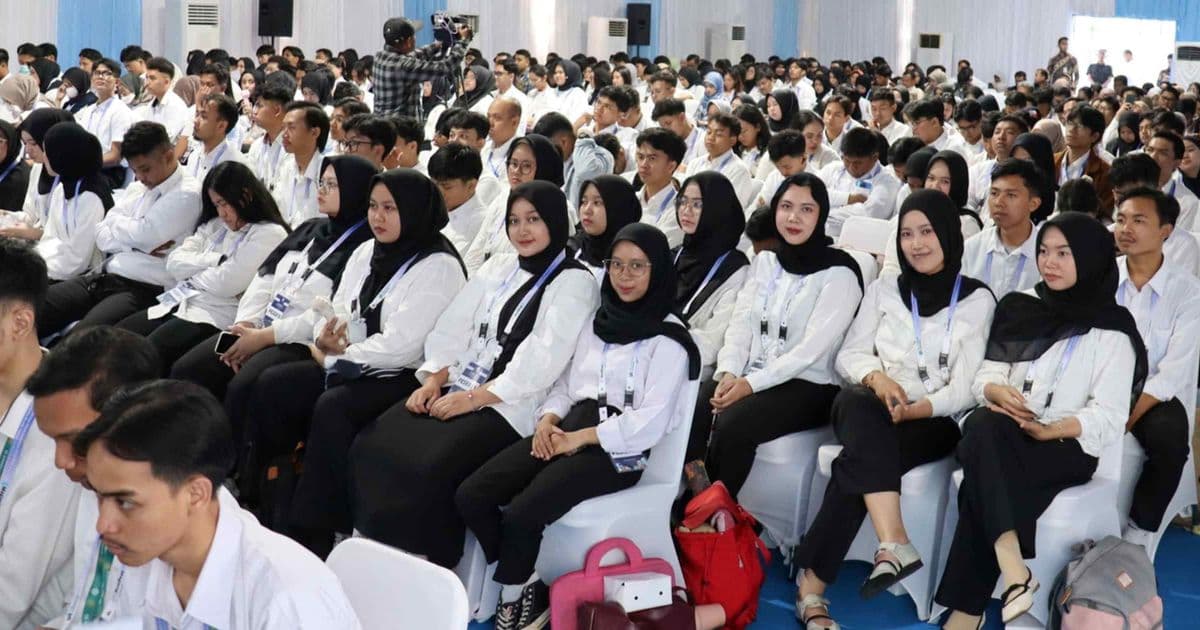
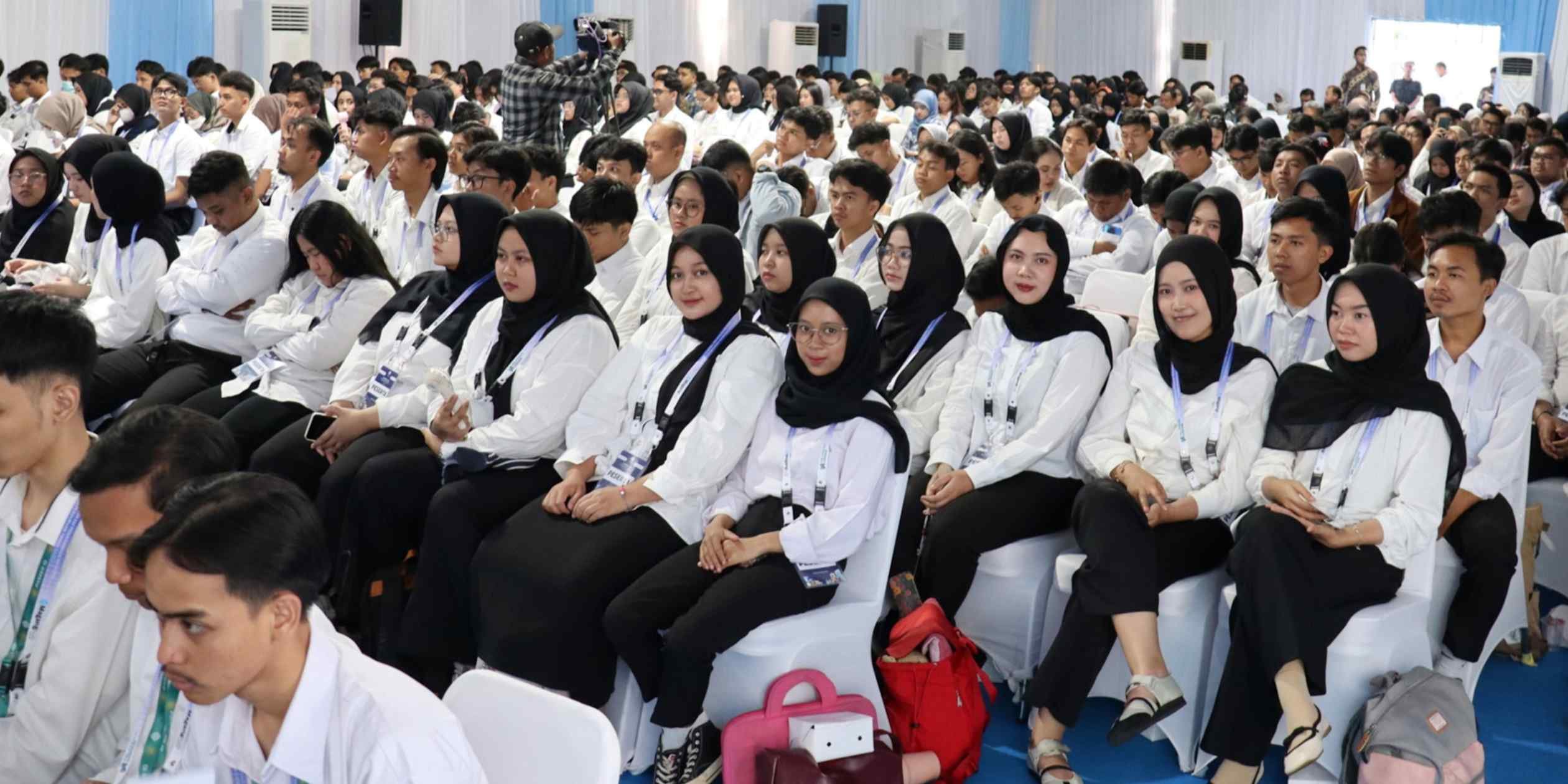
The program provides financial incentives to businesses accepting interns, reducing recruitment costs for employers while giving graduates practical work experience. Participants in Jakarta attended official launch events throughout late 2025, signaling coordinated implementation across major economic centers.
Analysts note several unresolved questions about the initiative's design: Subsidy duration remains unspecified, participating industries aren't publicly documented, and crucially, there's no mechanism guaranteeing intern conversions to full-time employees. 'Work experience alone doesn't automatically create permanent positions,' observed a labor economist at the University of Indonesia. 'Companies need sustainable demand growth to justify expanding payrolls.'
Youth unemployment has lingered between 15-18% since 2023, contrasting sharply with Indonesia's overall 5.5% unemployment rate. This gap highlights mismatches between graduate skills and employer needs, particularly outside Java's industrial hubs. Similar programs in Thailand and Malaysia showed mixed results, with internship-to-hire conversion rates rarely exceeding 30% without accompanying private investment incentives.
The initiative reflects broader governmental concerns about economic stability. With nearly 40% of Indonesia's 270 million people under 25, persistently high graduate unemployment risks undermining consumption growth and potentially fueling social discontent. Success metrics will likely emerge in mid-2026, tracking whether subsidized internships translate into measurable reductions in youth unemployment statistics.
Comments
Please log in or register to join the discussion