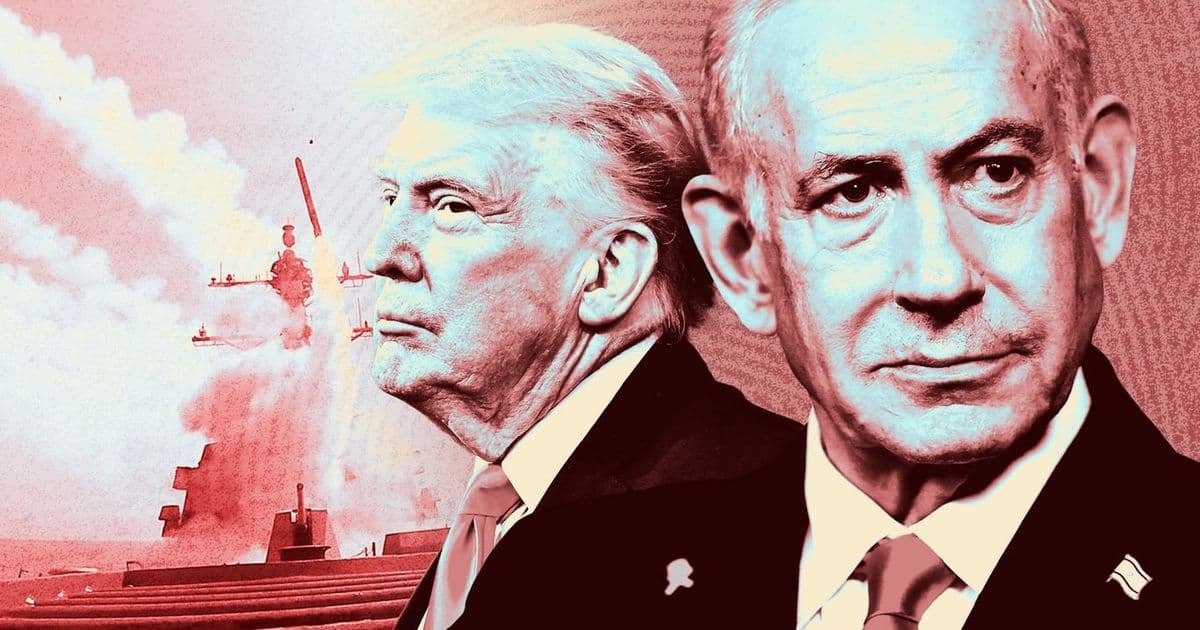
A private phone conversation between President Trump and Prime Minister Netanyahu in February 2025 led to a dramatic shift in U.S. Middle East policy, resulting in the largest U.S. military strike on Iran in decades.
Exclusive: Inside Trump, Netanyahu call on Iran that changed Middle East
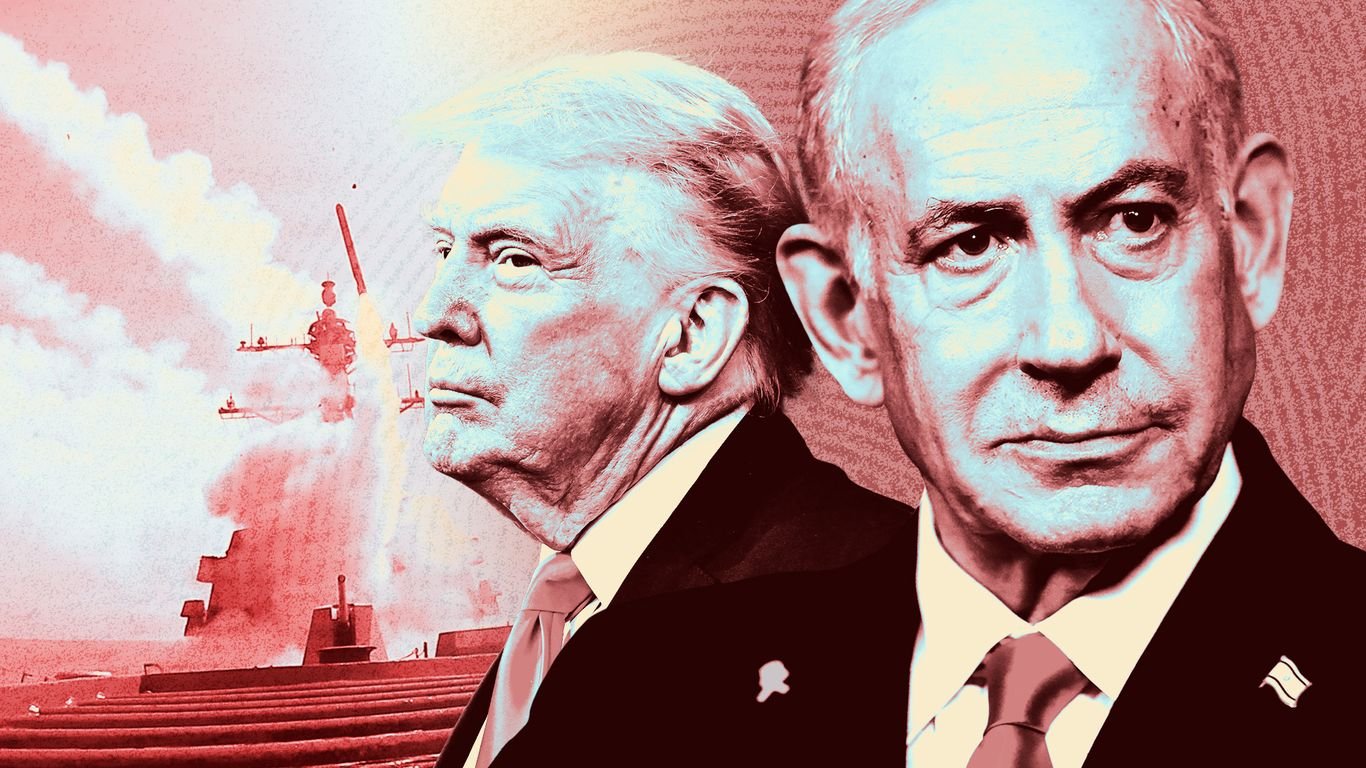
A private phone conversation between President Trump and Israeli Prime Minister Benjamin Netanyahu in February 2025 set in motion a dramatic shift in U.S. Middle East policy, culminating in the largest American military strike on Iran in decades, according to multiple sources familiar with the discussions.
The Call That Changed Everything
On February 15, 2025, Trump and Netanyahu spoke for approximately 45 minutes about Iran's nuclear program and regional activities. The conversation, which took place against the backdrop of escalating tensions in the Persian Gulf, would prove to be a turning point in U.S.-Iran relations.
During the call, Trump expressed frustration with what he viewed as Iran's continued defiance of international nuclear agreements and its support for proxy groups across the Middle East. Netanyahu, who has long advocated for a hardline approach to Iran, reinforced these concerns and urged decisive action.
From Conversation to Military Action
The discussion led to a series of high-level meetings within the Trump administration over the following weeks. Defense Secretary Pete Hegseth, who had been briefed on the call, began coordinating with military commanders in the region to develop potential strike options.
By early March, the administration had finalized plans for a comprehensive military operation targeting Iran's nuclear facilities, ballistic missile programs, and key military installations. The operation, codenamed "Operation Iron Resolve," involved the deployment of carrier strike groups, B-2 stealth bombers, and specialized cyber warfare units.
The Strike and Its Aftermath
On March 15, 2025, the United States launched a coordinated military strike against multiple targets inside Iran. The operation involved over 200 aircraft and naval assets, striking facilities in Isfahan, Natanz, and other locations. According to Pentagon sources, the strikes successfully damaged or destroyed key nuclear infrastructure while minimizing civilian casualties.
Iran responded with missile attacks on U.S. bases in Iraq and Syria, though these were largely intercepted by American missile defense systems. The exchange marked the most significant military confrontation between the two nations since the 1979 Iranian Revolution.
International Reaction
The international community reacted with alarm to the sudden escalation. European allies, who had been working to preserve the Iran nuclear deal, expressed concern about the potential for wider conflict. Russia and China condemned the strikes as violations of international law, while Gulf Arab states offered cautious support for the U.S. action.
United Nations Secretary-General Antonio Guterres called for immediate de-escalation, warning that the situation risked spiraling into a broader regional war. The International Atomic Energy Agency reported that Iran had accelerated its nuclear program in response to the strikes, raising new proliferation concerns.
What It Means
The Trump-Netanyahu call and its aftermath represent a fundamental shift in U.S. Middle East policy. The administration has abandoned diplomatic efforts in favor of a more confrontational approach, signaling that Iran's nuclear program will not be tolerated regardless of international consensus.
For Israel, the development validates Netanyahu's long-standing position that Iran poses an existential threat requiring decisive action. The Israeli government has praised the U.S. strikes as necessary for regional security.
However, critics argue that the military action has made the Middle East less stable, potentially accelerating Iran's nuclear ambitions and increasing the risk of terrorist retaliation against U.S. and allied targets worldwide.
As tensions remain high, the region faces an uncertain future where the possibility of further military confrontation looms large, and the diplomatic channels that once existed for managing the Iran crisis appear to have been permanently closed.
Comments
Please log in or register to join the discussion