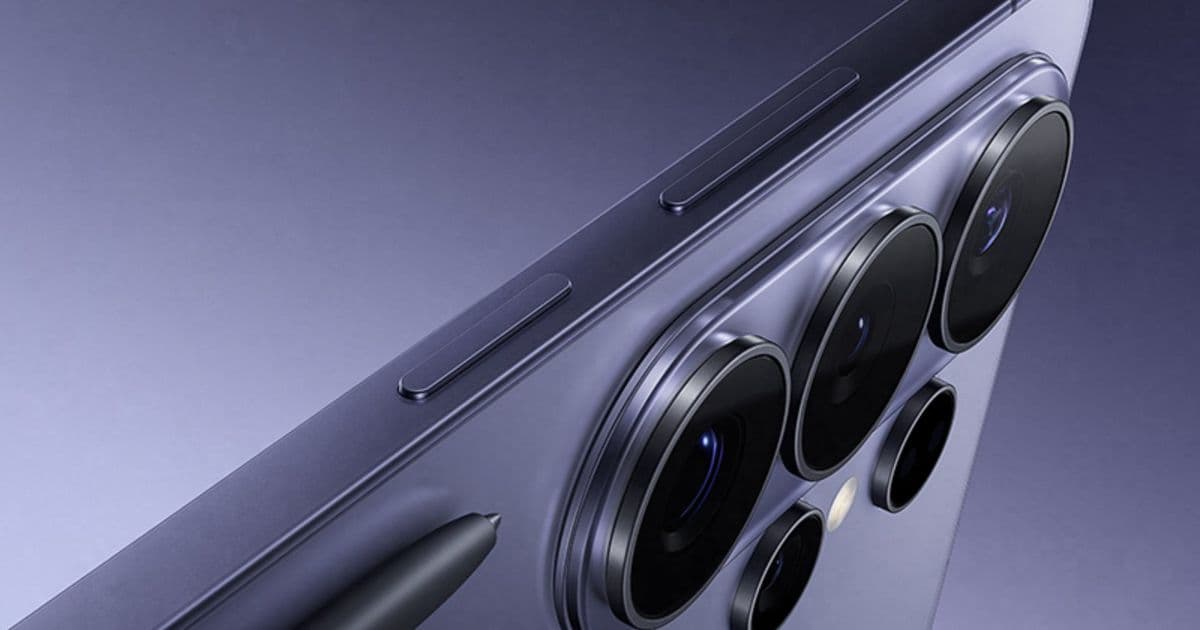
Leaked details suggest Samsung's next flagship will abandon its long-running 200MP sensor in favor of new LOFIC technology for improved HDR performance.
Samsung has barely had time to celebrate the global launch of its Galaxy S26 Ultra (currently priced at $1,299 on Amazon) before rumors about its successor have begun circulating. The flagship device, which debuted alongside the Galaxy S26, Galaxy S26 Plus, and Galaxy Buds4 series, won't even begin shipping until later this week. Yet the rumor mill is already churning with details about what could be the Galaxy S27 Ultra, expected to arrive in early 2027.
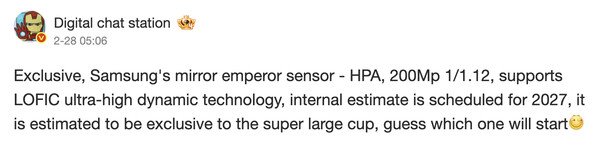
According to prominent leakers Digital Chat Station and Ice Universe, Samsung appears ready to break from its current camera hardware strategy. The company has relied on the ISOCELL HP2 sensor—a 200 MP unit—across all Ultra-branded smartphones since the Galaxy S23 Ultra, including the recent Galaxy Z Fold7. This consistency has been a hallmark of Samsung's flagship strategy, but that may change with the S27 Ultra.
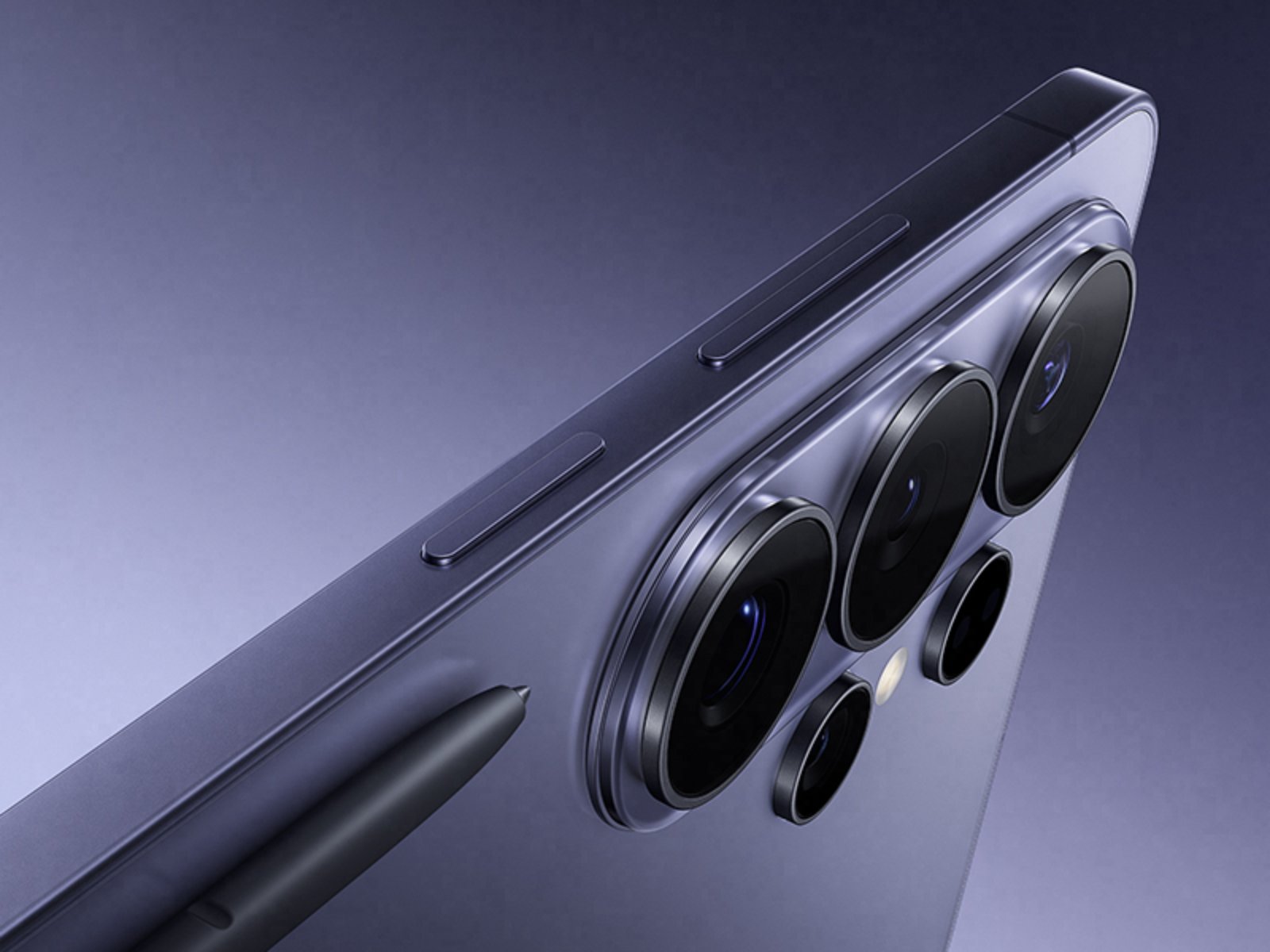
The ISOCELL HPA: A New Direction for Samsung Cameras The Galaxy S27 Ultra is rumored to adopt the ISOCELL HPA sensor, which will maintain the 200 MP native output that Samsung users have come to expect. However, the real innovation lies in the technology underneath. The new sensor is said to incorporate Lateral Overflow Integration Capacitor (LOFIC) technology, designed to maximize dynamic range—particularly in HDR photography.
LOFIC technology represents a significant advancement in smartphone camera design. By allowing excess charge to overflow laterally rather than being wasted, the sensor can capture a wider range of light intensities in a single shot. This translates to better highlight preservation in bright areas and improved shadow detail in darker regions, addressing one of the persistent challenges in mobile photography.
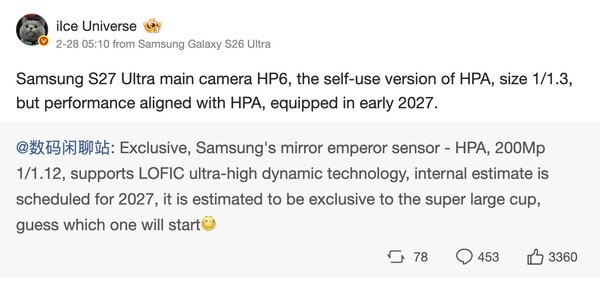
Disagreement on Sensor Size As with many early leaks, there's some disagreement between sources about specific details. Digital Chat Station claims the ISOCELL HPA will measure 1/1.12 inches, while Ice Universe suggests a smaller 1/1.3-inch sensor size. This discrepancy is common in the early stages of rumor reporting, and the actual specification may not be confirmed until much closer to the device's launch.
Ice Universe also claims that Samsung will market the ISOCELL HPA as the ISOCELL HP6 in the Galaxy S27 Ultra, continuing the company's established naming convention while potentially masking the underlying technological changes from consumers.
Timeline and Expectations Given that the Galaxy S26 Ultra has just launched, it's perhaps premature to expect concrete details about its successor. Industry patterns suggest that camera hardware specifications typically firm up in the latter half of the year preceding a flagship launch—meaning we likely won't see definitive information about the S27 Ultra's camera system until late 2026.
This early speculation does, however, provide insight into Samsung's longer-term camera strategy. The move away from the ISOCELL HP2 after three generations suggests the company is ready to evolve its imaging technology, potentially in response to competitive pressures from other manufacturers who have been pushing camera innovation forward.
Context in the Smartphone Market Samsung's potential camera upgrade comes at a time when smartphone photography has become one of the most competitive battlegrounds in the industry. Companies like Google with its Pixel series, Apple with the iPhone, and Chinese manufacturers like Xiaomi and Oppo have all made significant strides in computational photography and sensor technology.
The rumored LOFIC technology in the ISOCELL HPA could be Samsung's answer to these competitive pressures, offering tangible improvements in image quality that go beyond mere megapixel counts. If the technology delivers on its promise of enhanced dynamic range, it could help Samsung maintain its position in the premium smartphone segment.
As we await more concrete details, the Galaxy S26 Ultra will continue to serve as Samsung's flagship offering through 2026. The device's camera system, while based on established technology, still represents one of the most capable mobile photography setups available, featuring a 200 MP main sensor, 50 MP periscope telephoto, 12 MP ultrawide, and 50 MP 2x telephoto lenses.
For now, these rumors remain speculative, but they offer an intriguing glimpse into Samsung's future plans for mobile imaging technology. As the launch window for the Galaxy S27 Ultra approaches, we can expect more details to emerge, potentially confirming or refuting these early claims about the company's next-generation camera hardware.
Comments
Please log in or register to join the discussion