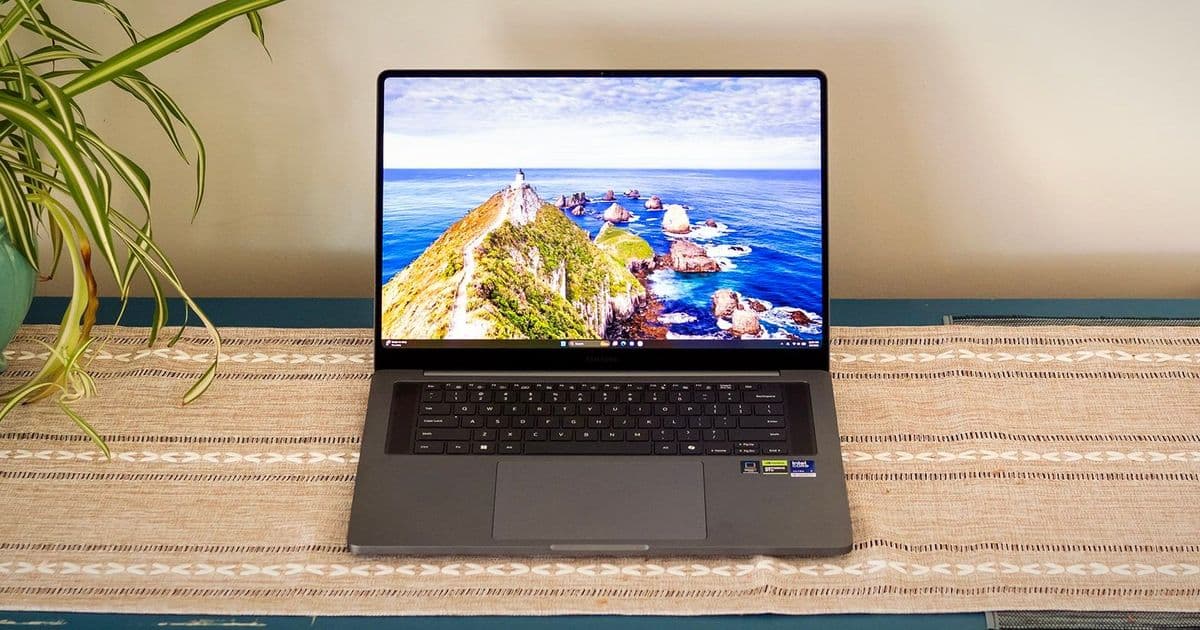
Samsung's premium Galaxy Book6 Ultra showcases Intel's Panther Lake CPUs and Nvidia's Blackwell GPUs, delivering competitive performance against Apple's M4 Pro while highlighting supply chain dynamics in the high-end laptop segment.
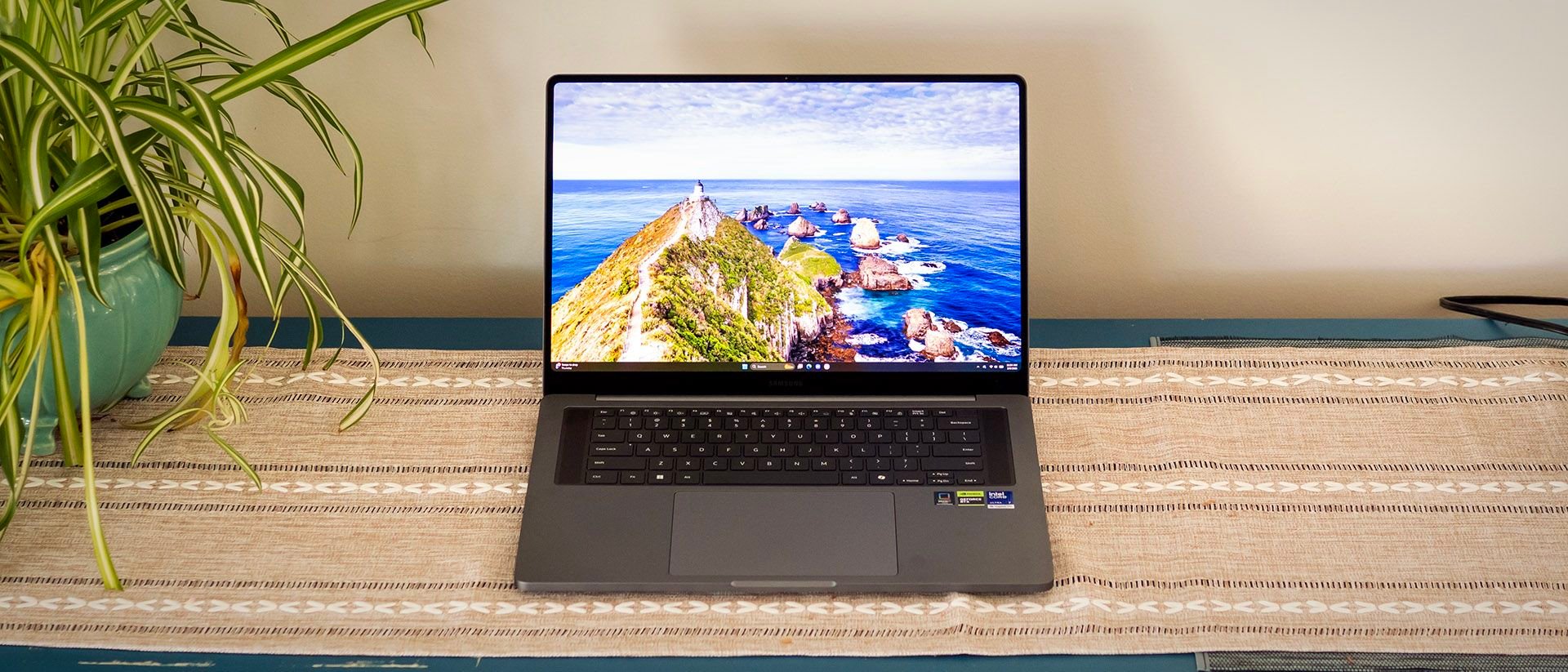
The Samsung Galaxy Book6 Ultra represents more than just another premium laptop—it's a strategic showcase for Intel's newly launched Panther Lake processors and Nvidia's Blackwell architecture GPUs. Targeted squarely at content creators and power users, this device provides early performance data on two critical semiconductor advancements while revealing competitive dynamics in the high-end computing market. With configurations starting at $2,449.99 and reviewed units reaching $3,199.99, the Galaxy Book6 Ultra positions itself as a Windows alternative to Apple's 16-inch MacBook Pro, relying heavily on its silicon partnerships for differentiation.
Architectural Foundations: Panther Lake and Blackwell Under the Hood
At the core of Samsung's flagship are Intel's Panther Lake processors, built on the company's advanced Intel 3 process node. Our review unit featured the Core Ultra 7 356H, a 16-core hybrid design combining performance and efficiency cores. This marks Intel's second-generation implementation of its tile-based architecture, with notable improvements in power efficiency and AI acceleration. Benchmark results reveal tangible gains: In Geekbench 6, the 356H achieved a multi-core score of 16,655, outperforming AMD's Ryzen AI 7 350 (12,399) in comparable Windows systems aiming at similar workloads. However, Apple's M4 Pro maintained a significant lead at 22,822, underscoring the persistent performance-per-watt advantage of Apple Silicon.
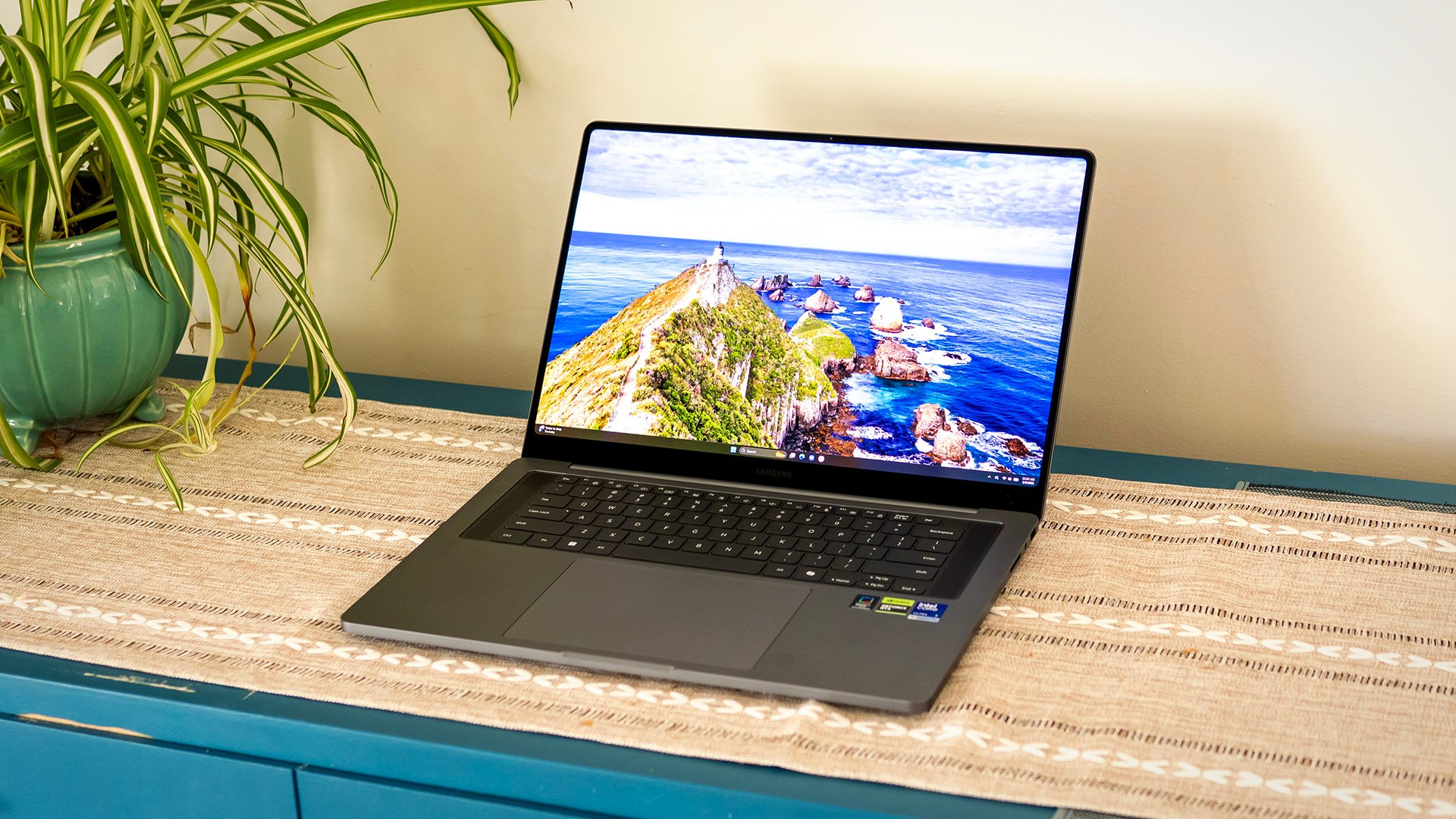
The graphics subsystem features Nvidia's Blackwell-based RTX 5070 GPU with 8GB of GDDR7 memory—a notable upgrade from previous-generation mobile GPUs. Manufactured on TSMC's 4N process (a customized 5nm node), Blackwell introduces redesigned streaming multiprocessors and enhanced ray tracing capabilities. With a 90W TGP and 1,545 MHz boost clock, the RTX 5070 delivered strong results in content creation tasks. During Handbrake video transcoding (4K to 1080p), the Samsung completed the task in 3:18, outpacing Dell's comparable OLED laptop by 32 seconds. Gaming performance remains secondary to creative workloads, but Borderlands II demonstrated smooth playability at the native 2880×1800 resolution, leveraging the display's 120Hz refresh rate.
Manufacturing and Supply Chain Context
Intel's Panther Lake CPUs represent a critical test for the company's internal foundry operations. Fabricated on Intel 3 (roughly equivalent to TSMC N5), these chips demonstrate the company's progress in closing the process technology gap. However, yield rates and volume production remain key concerns—Samsung's initial Galaxy Book6 Ultra configurations suggest limited availability of higher-tier Core Ultra X7 and X9 variants. Meanwhile, Nvidia's Blackwell GPUs continue the company's reliance on TSMC, whose 4N node remains oversubscribed across AI accelerators and gaming GPUs. This dual-source manufacturing approach creates supply chain complexity; Samsung must coordinate with both Intel and TSMC-sourced components while competing for allocation against Nvidia's data center priorities.
Market Positioning and Competitive Landscape
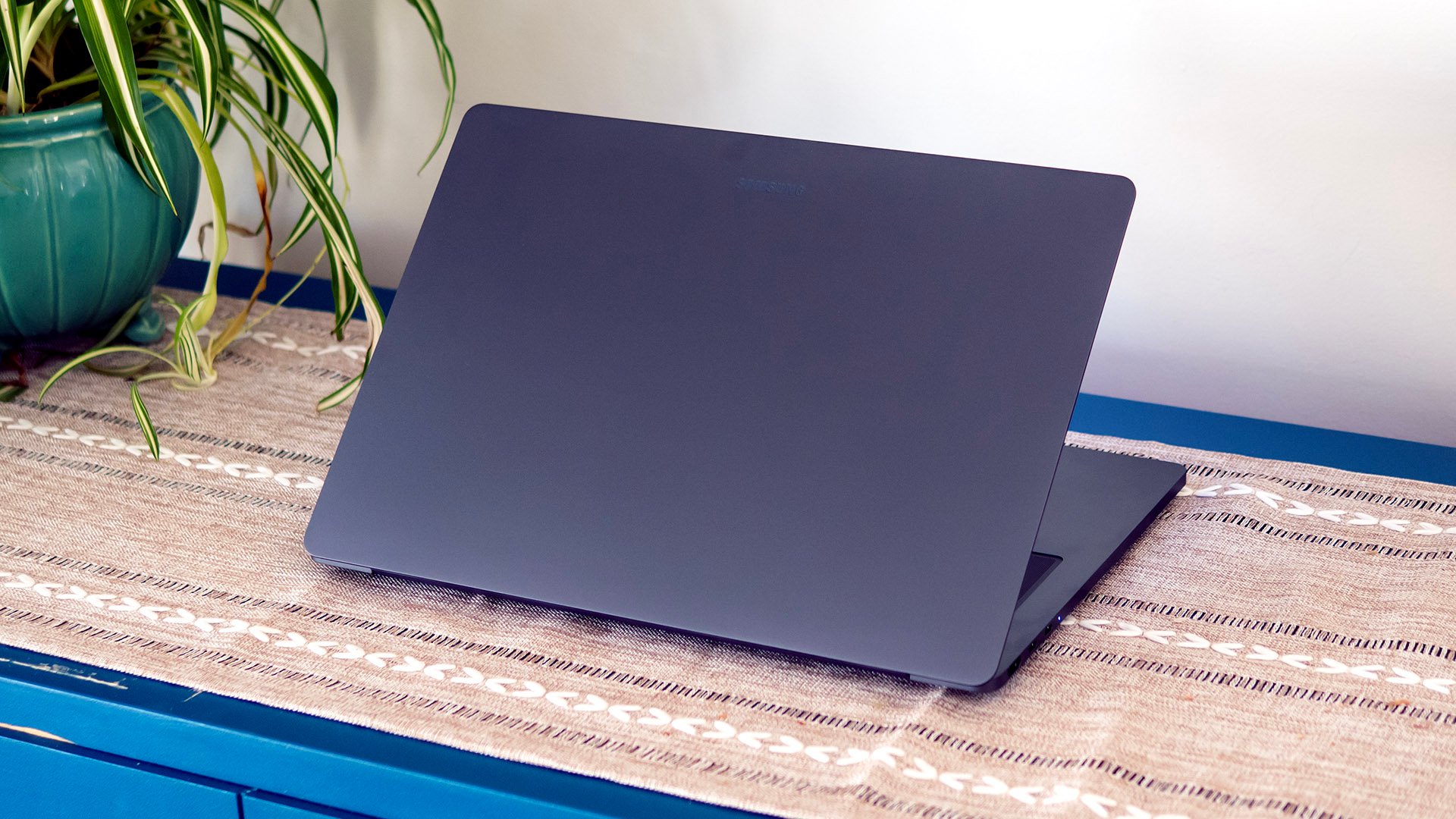
With projected pricing between $2,449.99 and $3,199.99, Samsung positions the Galaxy Book6 Ultra against Apple's 16-inch MacBook Pro (starting at $2,499). Performance-per-dollar comparisons reveal nuanced trade-offs: While Apple's M4 Pro dominates CPU benchmarks and offers superior battery life (21+ hours vs. Samsung's 15:21), the Galaxy Book6 Ultra provides superior display brightness (451 nits OLED vs. Apple's 500 nits mini-LED) and GPU flexibility through Nvidia's dedicated Blackwell architecture. For Windows-focused creators requiring GPU acceleration in applications like DaVinci Resolve or Blender, the Samsung configuration presents a compelling alternative.
Component-level pricing reflects broader industry trends: The RTX 5070's GDDR7 memory (priced approximately 20% higher than GDDR6 equivalents) contributes to the premium, while Samsung's in-house 2TB NVMe SSD helps contain costs compared to third-party storage. Availability projections suggest constrained initial shipments, consistent with TSMC's capacity limitations for advanced nodes. Notably, Samsung offers configurations with Intel's integrated Arc graphics—a cost-saving option for less GPU-intensive workflows—but the Blackwell-equipped models will likely drive higher margins.
Strategic Implications for Semiconductor Ecosystem
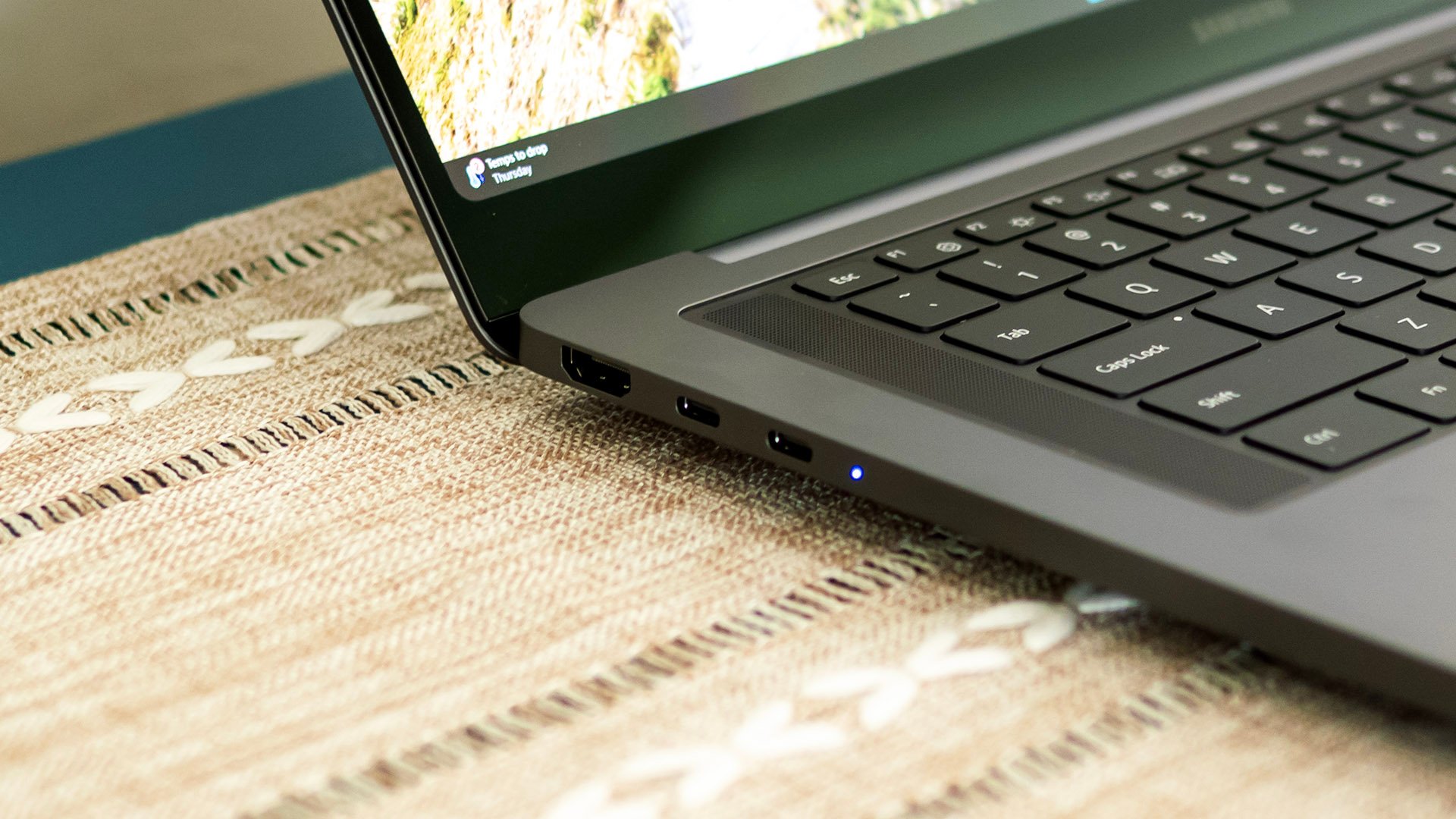
The Galaxy Book6 Ultra exemplifies several emerging industry patterns:
- Hybrid Manufacturing Models: Intel's internal Panther Lake production combined with TSMC-built Blackwell GPUs highlights how OEMs increasingly mix foundry sources to balance performance and supply constraints.
- OLED Dominance: Samsung's 2880×1800 OLED panel (achieving 121.2% sRGB and 85.8% DCI-P3 coverage) outperforms competing IPS and older OLED implementations, driving increased demand for Samsung Display's advanced panels.
- Thermal Design Demands: The dual-fan cooling solution maintained CPU temperatures at 84°C during sustained Cinebench workloads, but the 103°F bottom panel temperature indicates ongoing challenges in dissipating 90W GPU heat in ultra-thin form factors.
Benchmark comparisons underscore the competitive landscape:
| Laptop/Component | Geekbench Multi-core | Handbrake Time | Peak Brightness |
|---|---|---|---|
| Samsung Book6 Ultra (Panther Lake/Blackwell) | 16,655 | 3:18 | 451 nits |
| Apple MacBook Pro 16" (M4 Pro) | 22,822 | 2:38 | 500 nits (mini-LED) |
| Dell 16 Premium (Core Ultra 7) | 16,850 | 3:50 | 367 nits (OLED) |
| Framework Laptop 16 (Ryzen AI) | 12,399 | N/A | 400 nits (IPS) |
Looking ahead, Intel's Panther Lake and Nvidia's Blackwell represent critical mobile entries during a period of intense competition. With AMD preparing Strix Point APUs and Apple advancing its M-series architecture, the high-end laptop market will likely see intensified performance battles through 2025. For Samsung, the Galaxy Book6 Ultra demonstrates how tightly integrated hardware design—leveraging in-house displays alongside strategic silicon partnerships—creates differentiation in a crowded premium segment. However, sustained success will require navigating the complex semiconductor supply chain, where TSMC capacity and Intel foundry execution remain pivotal variables.
For detailed specifications:
Comments
Please log in or register to join the discussion