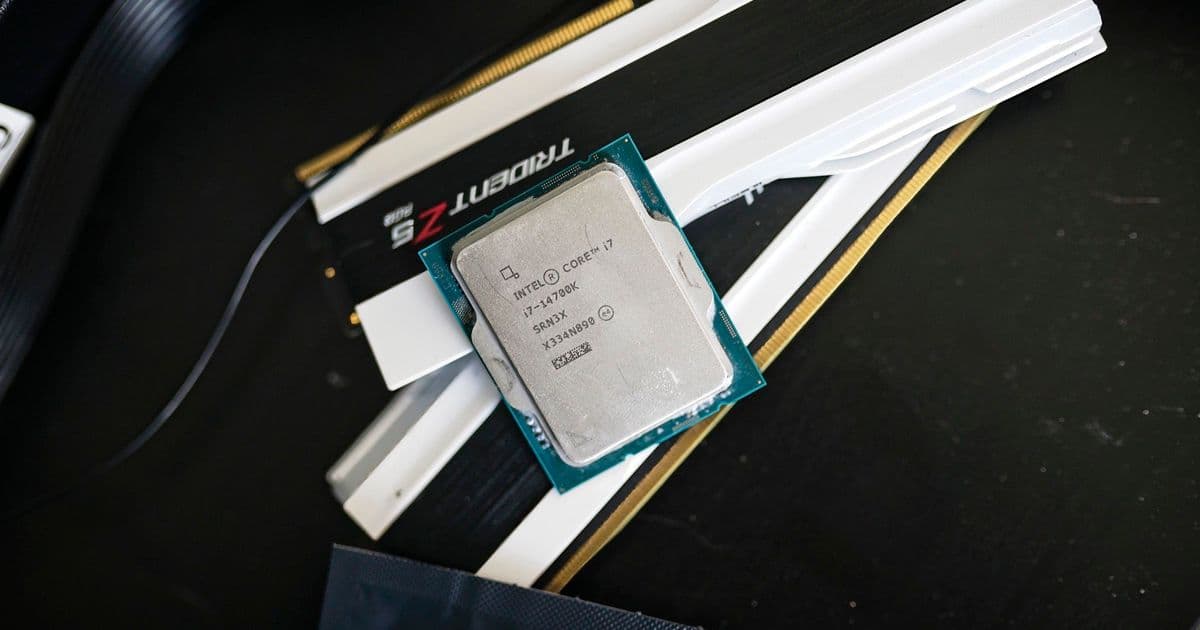
Intel appears to be weighing a pragmatic 2027 CPU move: extend LGA 1700 and DDR4 at the low end while Nova Lake carries the premium roadmap.
Announcement
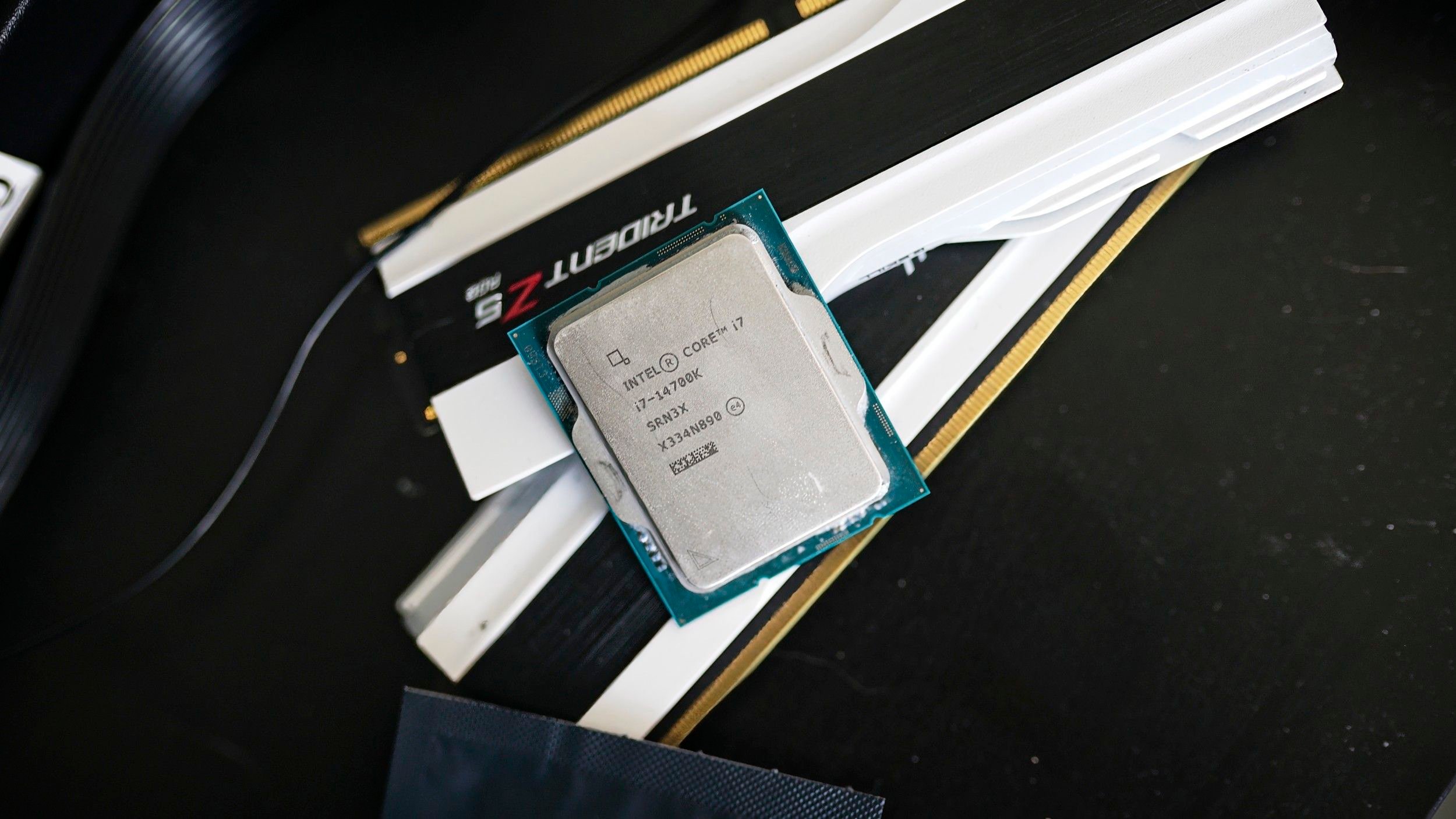
Intel is reportedly preparing a new round of Raptor Lake based desktop processors, informally described as "Raptor Lake Next," for the first half of 2027. According to Tom's Hardware, the chips would target the existing LGA 1700 platform and arrive after Intel introduces Nova Lake, which is expected to reset the company's mainstream desktop roadmap at the high end.
That timing matters. Raptor Lake first appeared as Intel's 13th Gen Core family in 2022, then returned as 14th Gen Raptor Lake Refresh. A 2027 appearance would make this effectively a third commercial life for the same broad architecture family, not as a flagship technology statement, but as a supply and platform strategy.
The key signal is not only the CPU codename. Motherboard vendors reportedly told Tom's Hardware that they are increasing production of DDR4 boards for both AMD AM4 and Intel LGA 1700 systems. That suggests the center of gravity is moving toward cost-controlled PCs, where memory pricing, board inventory, and platform longevity can matter more than peak benchmark leadership.
Intel has not confirmed the product line, and the company declined to comment on Raptor Lake Next. For now, the report should be treated as a supply chain sourced roadmap signal, not a formal launch. Still, it fits a pattern that is already visible in the market: older nodes and older memory standards can remain commercially useful when they reduce total system cost.
Technical Specs
Raptor Lake is built around Intel's hybrid desktop CPU design, combining high-performance P-cores with efficiency-focused E-cores. The current flagship Core i9-14900K uses 8 P-cores and 16 E-cores for 24 total cores and 32 threads, with boost clocks reaching up to 6.0 GHz under favorable power and thermal conditions. Intel's product pages for the Core i9-14900K list support for both DDR5-5600 and DDR4-3200, which is the central reason LGA 1700 remains unusually flexible.
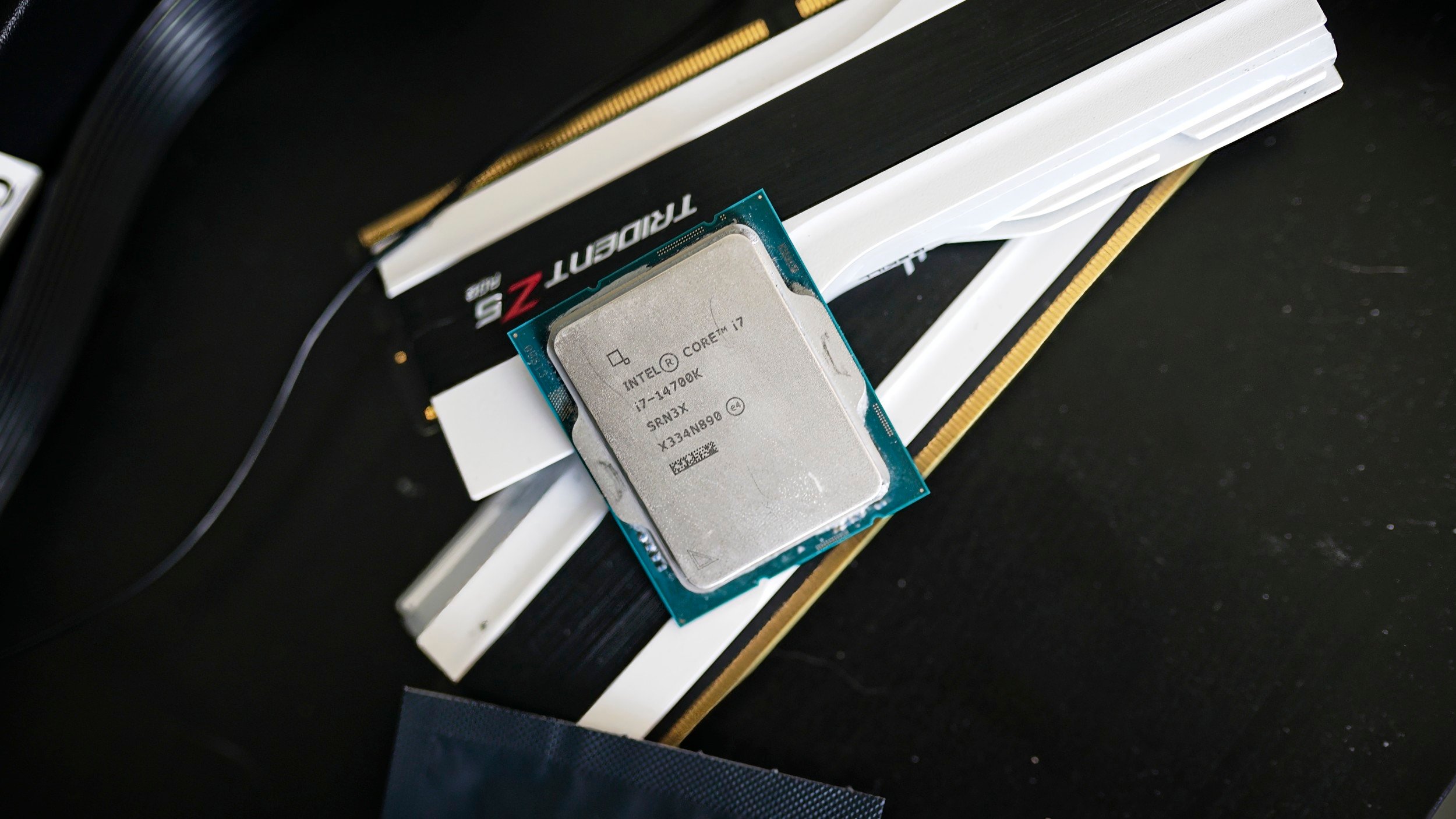
That dual-memory support is the commercial hinge. DDR5 offers more bandwidth and a cleaner upgrade path, but DDR4 systems can still be cheaper at the board and memory level. In gaming and many office workloads, the CPU, GPU, cache behavior, and latency often matter as much as raw memory bandwidth. A lower-cost DDR4 board paired with a mature Raptor Lake class chip can still deliver high frame rates or strong productivity performance without forcing buyers into a newer platform.
The process node is also part of the story. Raptor Lake uses Intel 7, Intel's enhanced 10nm-class process technology. That node is no longer Intel's most advanced manufacturing platform, but it is mature, high-volume, and already tied to existing desktop packaging, validation, firmware, and motherboard ecosystems. In a constrained or cost-sensitive segment, an older qualified process can be an advantage rather than a liability.
There is also a clue in Bartlett Lake, Intel's newer embedded and industrial Raptor Cove based lineup. Intel's embedded processor materials show that the company continues to support long-life platform products outside the consumer desktop channel. Tom's Hardware notes that Bartlett Lake includes P-core only designs for LGA 1700 class systems, with the Core 9 273PQE reportedly reaching 12 P-cores. That does not prove a consumer Raptor Lake Next lineup will use the same configuration, but it shows Intel still has active silicon and platform work around the architecture.
If Intel does bring a consumer product to market, there are several plausible configurations. One route is a simple stock and pricing refresh, with known Raptor Lake Refresh dies sold into new price bands. Another is a more segmented lineup aimed at Core i3, Core i5, and possibly locked Core i7 buyers, where DDR4 savings can offset weaker platform novelty. A more aggressive path would adapt Bartlett Lake style P-core heavy silicon, but that would require careful firmware, BIOS, and product positioning work.
The trade-off is clear in numbers. A Core i9-14900K class chip can draw well over 200 watts under heavy turbo workloads, depending on motherboard power settings, while budget buyers may value efficiency, thermals, and platform cost more than peak multicore throughput. Intel would need to decide whether Raptor Lake Next is a high-clock halo refresh, a low-cost volume product, or a channel inventory tool. Those are very different products even if they share the same architectural family.
Market Implications
The reported move is best understood as Intel borrowing from AMD's long AM4 playbook. AMD kept AM4 alive through multiple Ryzen generations, and the platform's longevity became a major selling point for budget and gaming buyers. The Ryzen 7 5800X3D, with 3D V-Cache on a DDR4 platform, showed that an older socket can remain relevant if the price, cache design, and motherboard base are right.
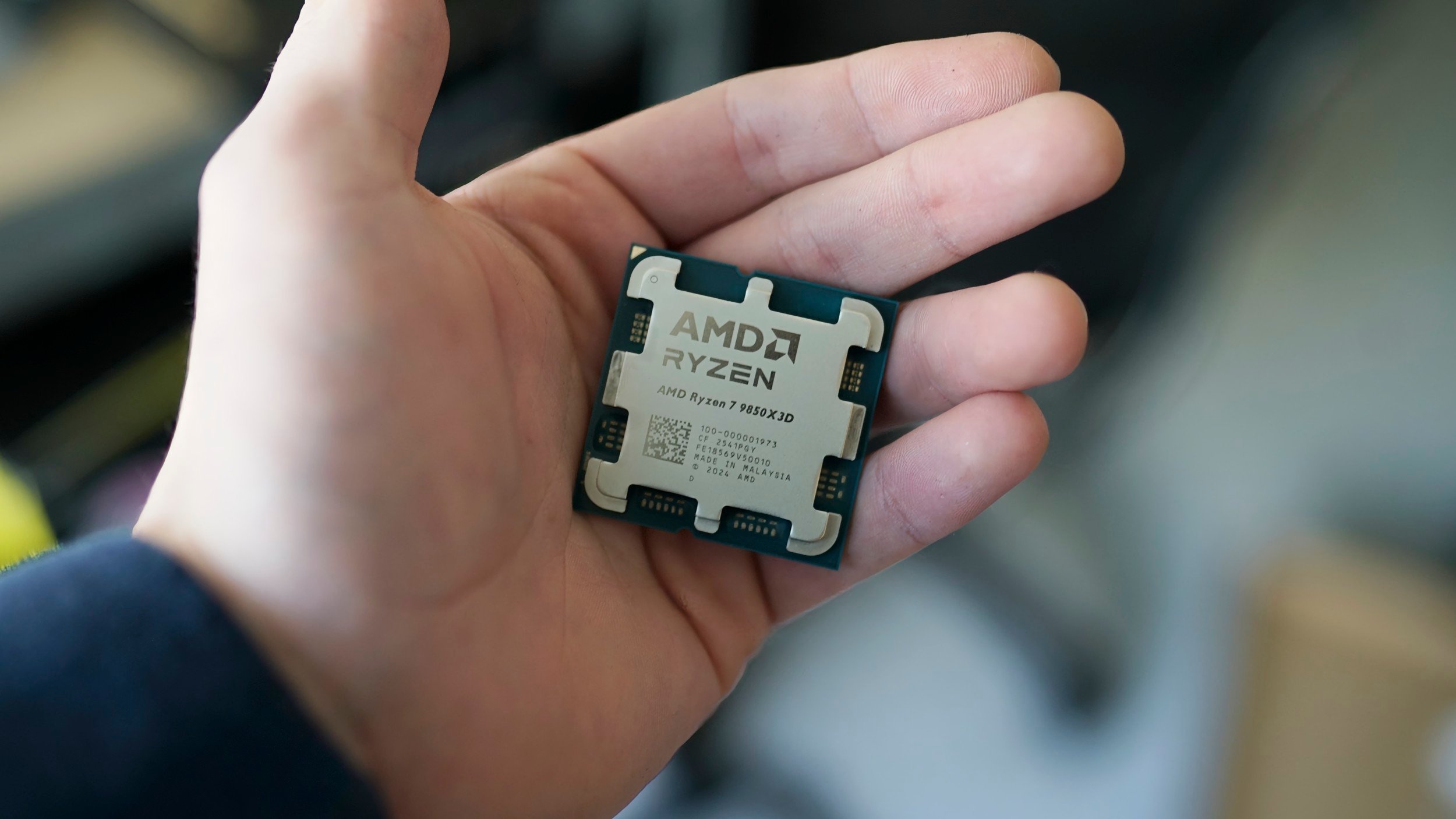
Intel has historically moved desktop sockets more frequently, which made platform reuse less central to its consumer story. Extending LGA 1700 into 2027 would change that perception at the low end. Buyers with 600-series or 700-series boards could see another upgrade path, motherboard vendors could keep selling amortized designs, and system builders could configure cheaper gaming PCs without waiting for DDR5 prices or new boards to cooperate.
The supply chain angle is just as important as the architecture. DDR4 production is mature, controller validation is mature, and motherboard layouts are well understood. If DDR5 demand remains elevated because of AI servers, high-end PCs, workstations, and newer platforms, the older memory standard can become a useful pressure valve for budget systems. That does not mean DDR4 is technically superior. It means DDR4 can be economically superior for certain bills of materials.
For motherboard vendors, revived LGA 1700 demand would be low-risk revenue. Board designs are already engineered, BIOS code paths are familiar, and component sourcing is less exotic than on brand-new platforms. A renewed production ramp could support lower-cost H610, B660, B760, and related boards, depending on chipset availability and Intel's validation decisions. The main risk is fragmentation: buyers will need clear compatibility lists, especially if a future CPU requires firmware support that older boards do not receive.
For Intel, the strategic benefit is segmentation. Nova Lake can target performance leadership, new platform features, and premium pricing. Raptor Lake Next can target volume, price sensitivity, and channel continuity. That split would let Intel compete with AMD on two fronts: newer architectures at the top and long-lived platforms at the bottom.
The risk is brand confusion. By 2027, Intel may have Core Ultra products on newer sockets, existing 12th, 13th, and 14th Gen LGA 1700 systems in the field, embedded Bartlett Lake variants, and a possible Raptor Lake Next consumer refresh. Naming, BIOS support, and retailer messaging will need to be unusually clear. A buyer should not need to understand Intel 7 wafers, Raptor Cove cores, or chipset firmware just to know whether a CPU works in a board.
Performance positioning will also be delicate. Raptor Lake still performs well in games, especially at high clocks, but newer architectures can bring better efficiency, media engines, platform I/O, AI acceleration, and memory bandwidth. If Raptor Lake Next is priced too high, it will look stale next to newer CPUs. If it is priced aggressively, it could be a very effective budget part because the platform cost is already compressed.
The wider semiconductor lesson is that mature nodes are not obsolete when the market needs capacity, predictable yields, and lower system cost. Intel 7 cannot carry Intel's high-end roadmap forever, but it can still support a profitable desktop tier if demand exists. In a market shaped by AI accelerator capacity, memory allocation, and uneven consumer PC refresh cycles, platform economics can be as decisive as benchmark charts.
Raptor Lake Next, if it ships, would not be a technology reset. It would be a manufacturing and supply chain answer to a specific market condition: buyers still want capable CPUs, board makers can still build DDR4 platforms, and not every PC needs the newest socket to make financial sense.
Comments
Please log in or register to join the discussion