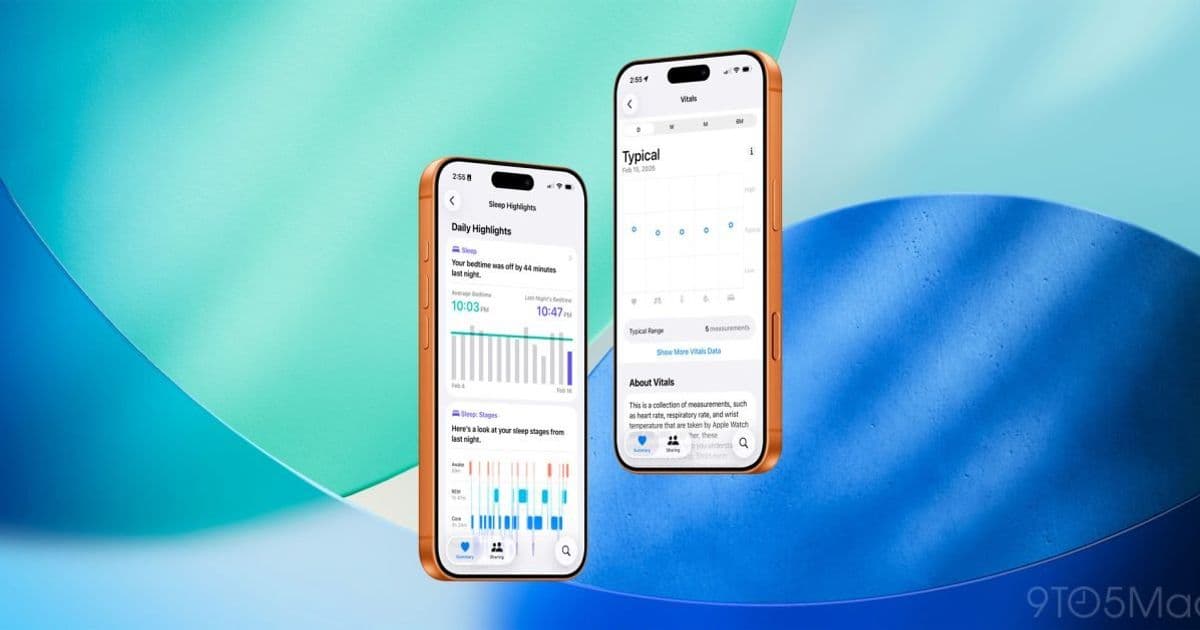
Apple's iOS 26.4 beta restores Blood Oxygen data to the Health app's Vitals dashboard and introduces new bedtime trend analysis, marking significant improvements to health monitoring capabilities.
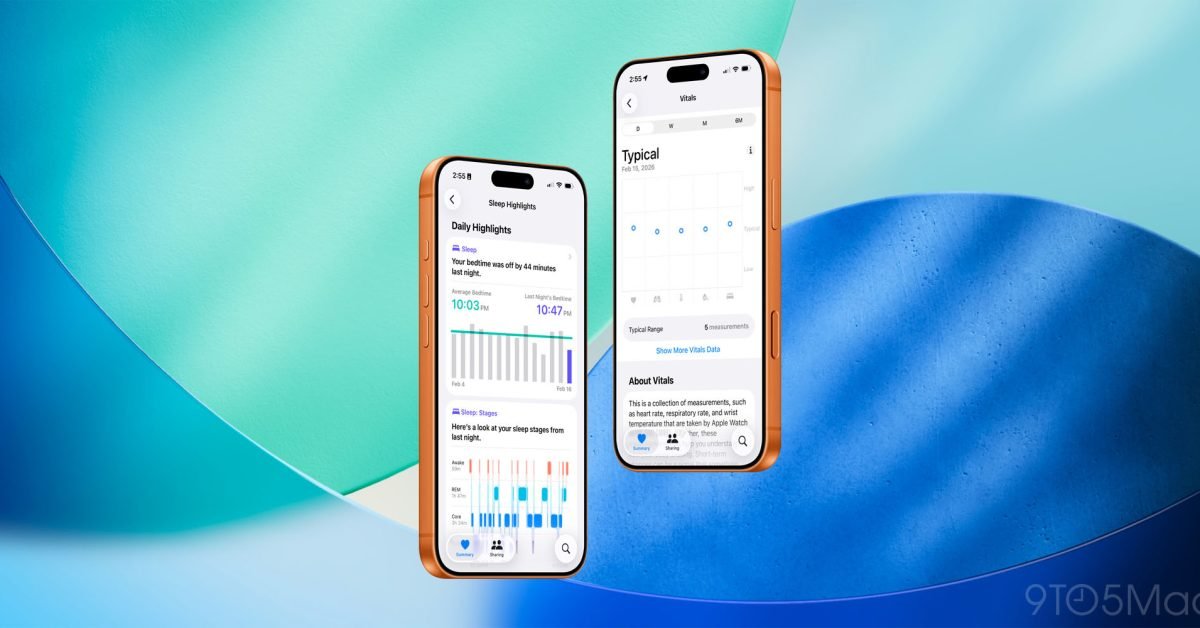
Apple's latest iOS 26.4 beta release brings substantial enhancements to the Health app, focusing on two key health tracking areas: Vitals metrics and sleep analysis. These changes address limitations introduced during Apple's patent dispute with Masimo while adding new functionality for health-conscious users.
The most notable restoration involves Blood Oxygen measurements. After being abruptly removed from Apple Watches in January 2024 due to legal challenges, Apple reintroduced a modified version of the feature last August. This redesigned implementation required users to view Blood Oxygen readings exclusively on their iPhone rather than the Apple Watch itself. More significantly, these readings were excluded from the consolidated Vitals dashboard – a limitation that frustrated many tracking longitudinal health trends.
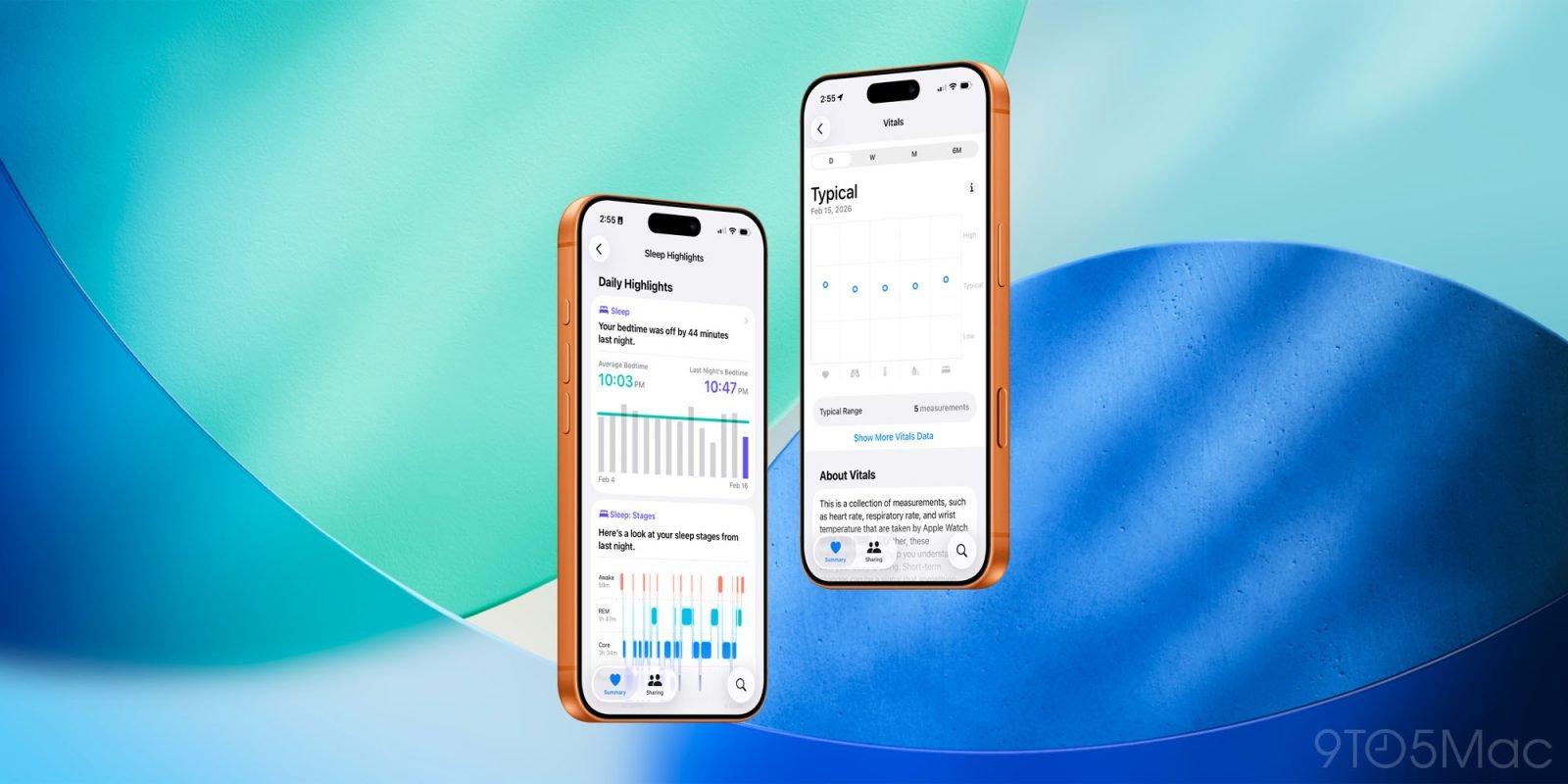
With iOS 26.4, Blood Oxygen data reclaims its position within the Vitals overview. This restores the pre-2024 functionality where users can now simultaneously track five critical metrics in a unified interface:
- Heart rate
- Respiratory rate
- Wrist temperature
- Blood oxygen saturation
- Sleep duration
The integrated visualization enables clearer correlation between different physiological indicators. For example, users can now observe how blood oxygen levels fluctuate relative to sleep patterns or elevated heart rates without switching between different data views.
Beyond Vitals restoration, iOS 26.4 introduces new sleep analytics. A dedicated Sleep Highlight now displays bedtime patterns over 14-day periods, comparing nightly bedtimes against personal averages. This temporal analysis helps identify consistency in sleep schedules – a factor increasingly recognized as critical to circadian rhythm health. The visualization clearly differentiates between nights with significantly early or late bedtimes, providing actionable insights for sleep habit adjustments.
These updates arrive amid growing emphasis on longitudinal health tracking in the wearables market. By consolidating key metrics and expanding temporal analysis, Apple strengthens the Health app's position as a centralized hub for personal wellness monitoring. The iOS 26.4 beta is currently available to registered developers and public beta testers, with general availability expected in the coming weeks.
Comments
Please log in or register to join the discussion