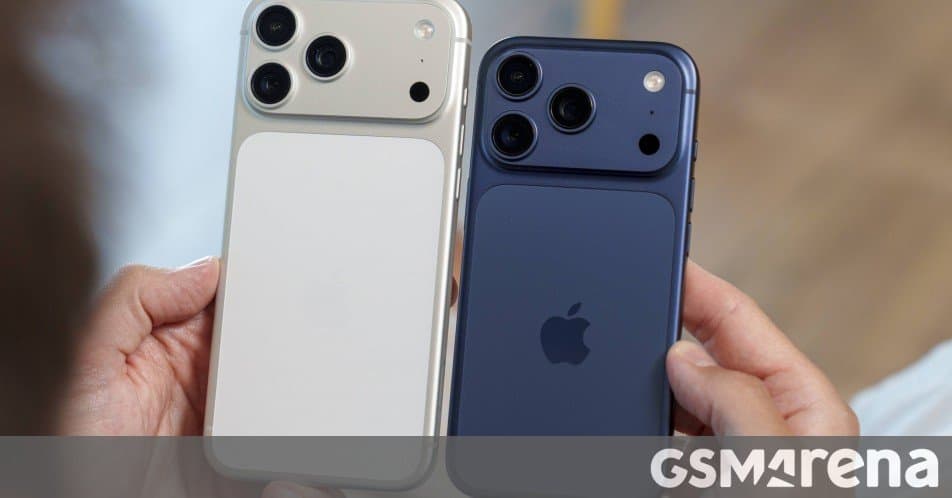
Apple's upcoming iPhone 18 Pro and Pro Max models may retain their predecessors' pricing through strategic supply chain negotiations and component cost optimizations.
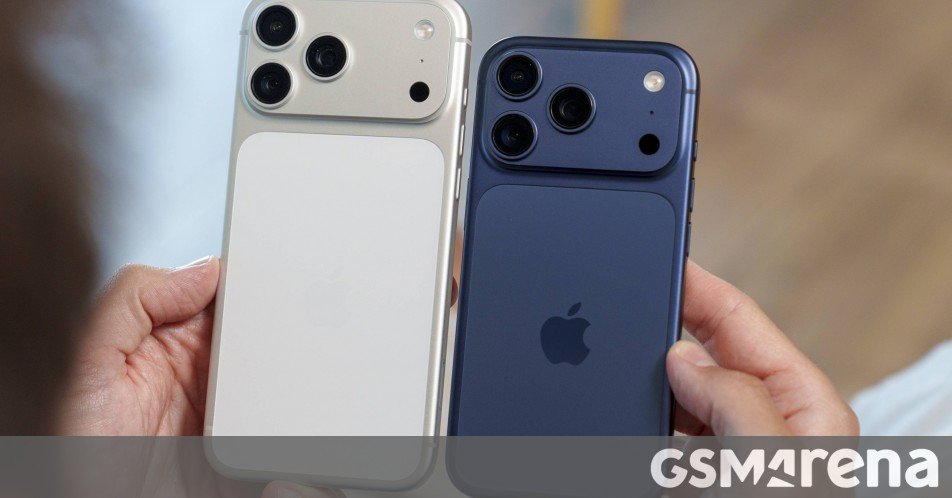
In a positive development for potential buyers, industry analyst Jeff Pu of GF Securities reports Apple plans to keep iPhone 18 Pro and iPhone 18 Pro Max pricing identical to current iPhone 17 Pro models. This pricing stability arrives during a volatile period for smartphone components, where surging demand for AI data centers has constrained memory production globally.
Pu's supply chain analysis indicates Apple achieved this through intensive negotiations with memory suppliers Samsung and SK Hynix, securing favorable terms for DRAM and NAND flash components. The company is simultaneously reducing manufacturing costs for other critical elements including the advanced displays and camera systems. These coordinated efforts create financial headroom to absorb potential RAM price increases without transferring costs to consumers.
The unchanged pricing strategy reflects Apple's intensified focus on component cost management across its Pro smartphone lineup. For consumers, this approach maintains flagship iPhone accessibility while avoiding premium inflation during a period of industry-wide component shortages. If accurate, it represents a notable exception to broader market trends where competitors face pressure to raise prices.
Component-level efficiency gains could extend beyond pricing benefits. Apple's negotiations may secure priority memory allocations amidst industry shortages, potentially ensuring smoother production cycles for the iPhone 18 series. The company's leverage in these discussions underscores its unique position in the supply chain ecosystem.
This pricing strategy arrives as Apple prepares for significant hardware upgrades expected in the iPhone 18 Pro models, including rumored computational photography advancements and expanded AI capabilities. Maintaining consistent pricing while delivering generational improvements could strengthen Apple's position in the premium smartphone segment through 2026.
Comments
Please log in or register to join the discussion