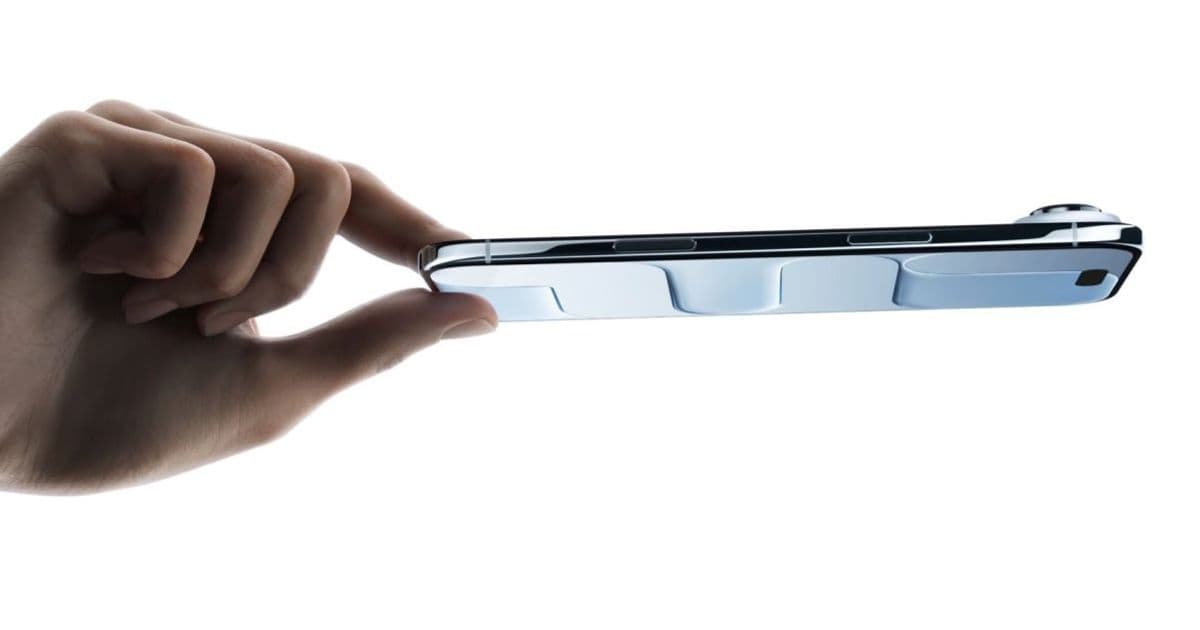
A hardware modder in China successfully added a physical SIM card slot to the eSIM-only iPhone Air by replacing Apple's Taptic Engine with a smaller vibration motor, sparking debates about device authenticity and repairability.
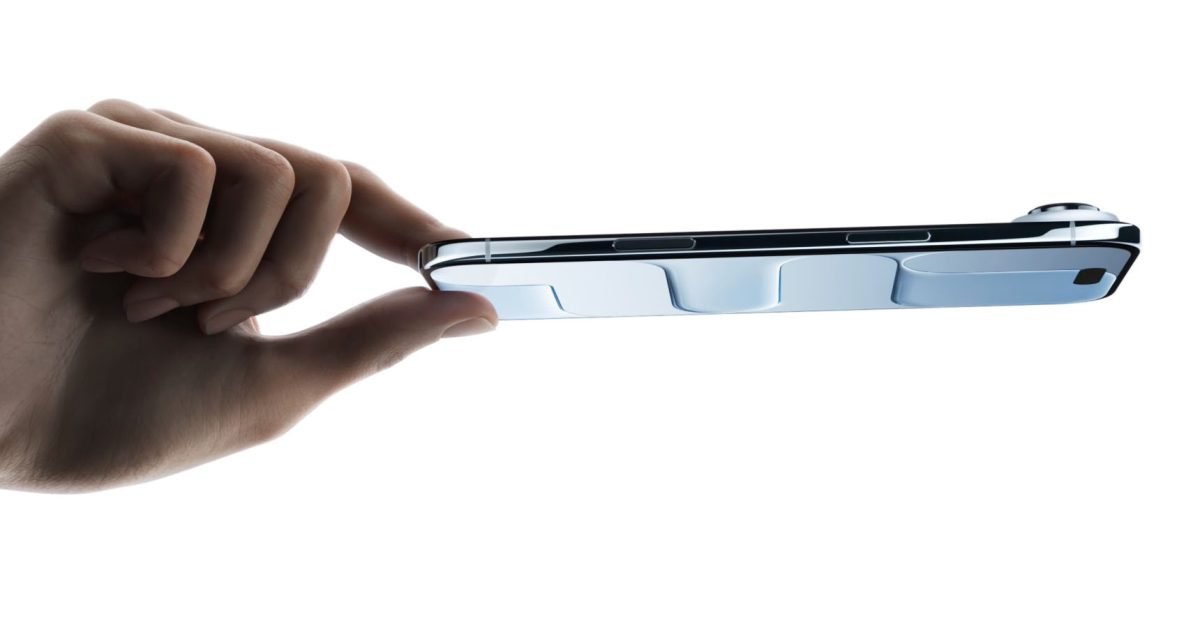
A viral hardware modification demonstrating a physical SIM card slot added to Apple's eSIM-only iPhone Air has surfaced from China's tech community. The mod, attributed to a creator known as Huaqiangbei (named after Shenzhen's famous electronics district), replaces Apple's proprietary Taptic Engine with a smaller vibration motor to create space for the SIM tray—a significant hardware reengineering feat given the device's compact design.
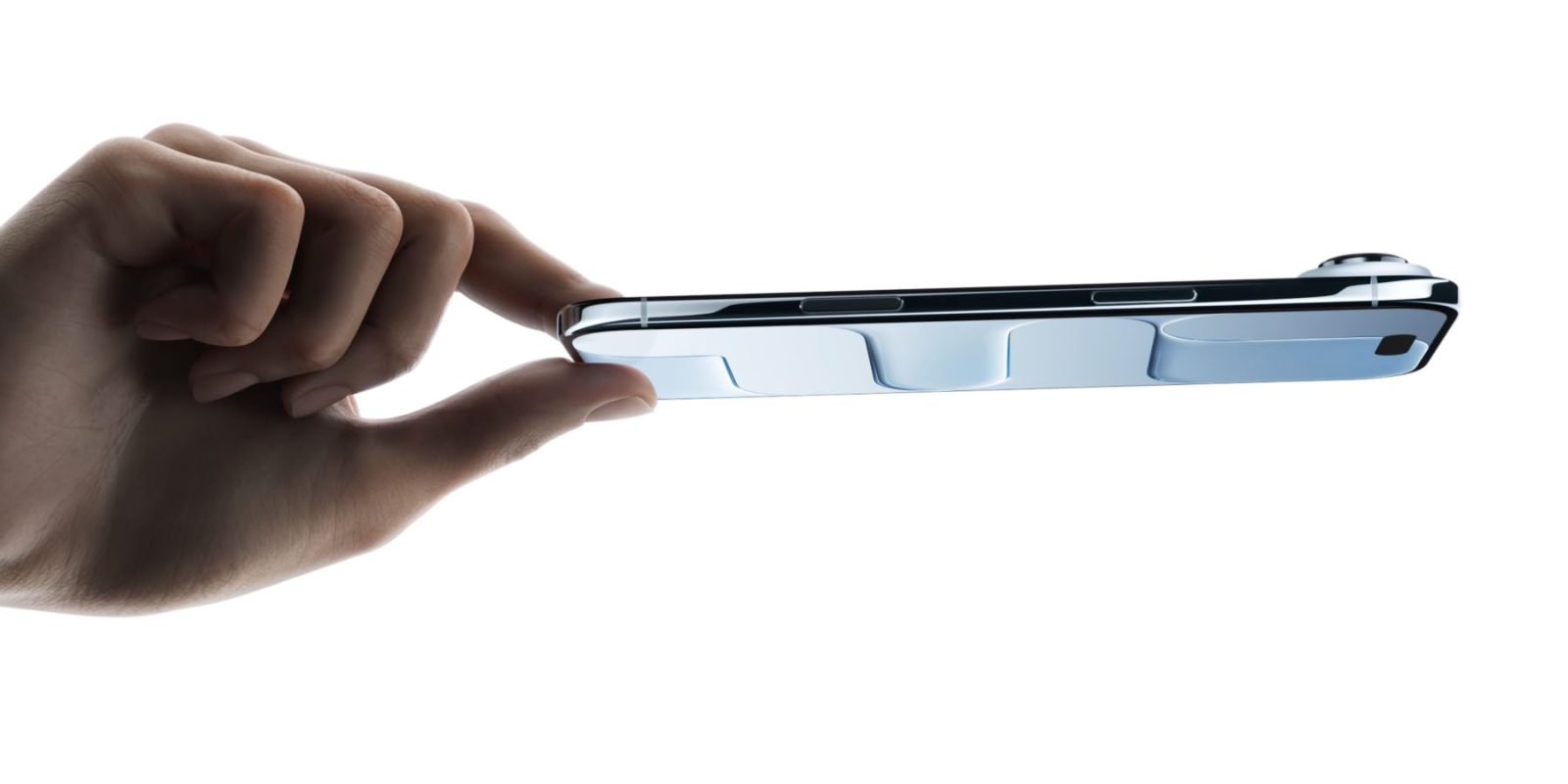
The iPhone Air launched without physical SIM support, relying exclusively on eSIM technology for cellular connectivity. This design choice allowed Apple to save internal space but created compatibility issues in regions with limited eSIM infrastructure. The modder's solution involved:
- Removing the Taptic Engine responsible for precise haptic feedback
- Installing a smaller, third-party vibration motor
- Machining a custom SIM tray slot into the chassis
- Rewiring the logic board to accommodate SIM functionality
This hardware compromise means users lose Apple's signature haptic quality—subtle vibrations for keyboard taps, notifications, and system interactions—replaced by coarser vibrations similar to budget Android devices. The modification highlights ongoing tensions between Apple's design priorities and global connectivity needs, particularly in markets where carriers lag in eSIM adoption.
Debates about the mod's authenticity emerged across Chinese tech forums like Douyin and Bilibili. Skeptics suggest the device might be a clone, though evidence points to genuine Apple hardware:
- Matching component layouts in teardown comparisons (iFixit iPhone Air teardown)
- Boot sequence showing legitimate iOS verification
- Identical machining quality to Apple's aerospace-grade aluminum
This project underscores Shenzhen's reputation as a hardware modification hub, where technicians regularly perform display repairs, battery swaps, and chip-level repairs Apple doesn't officially support. While not recommended for average users due to warranty implications and potential reliability issues, the mod demonstrates technical ingenuity in adapting devices to local needs.
For developers, this highlights the importance of testing apps against both eSIM and physical SIM configurations, especially as Apple expands globally. The iOS Carrier Bundle documentation remains essential reading for handling carrier-specific configurations programmatically.
What remains unclear is whether Apple will address this market gap in future hardware iterations or maintain its eSIM-first approach. For now, this hardware hack provides a fascinating case study in user-driven device modification—at the cost of core functionality many consider integral to iOS's user experience.
Comments
Please log in or register to join the discussion