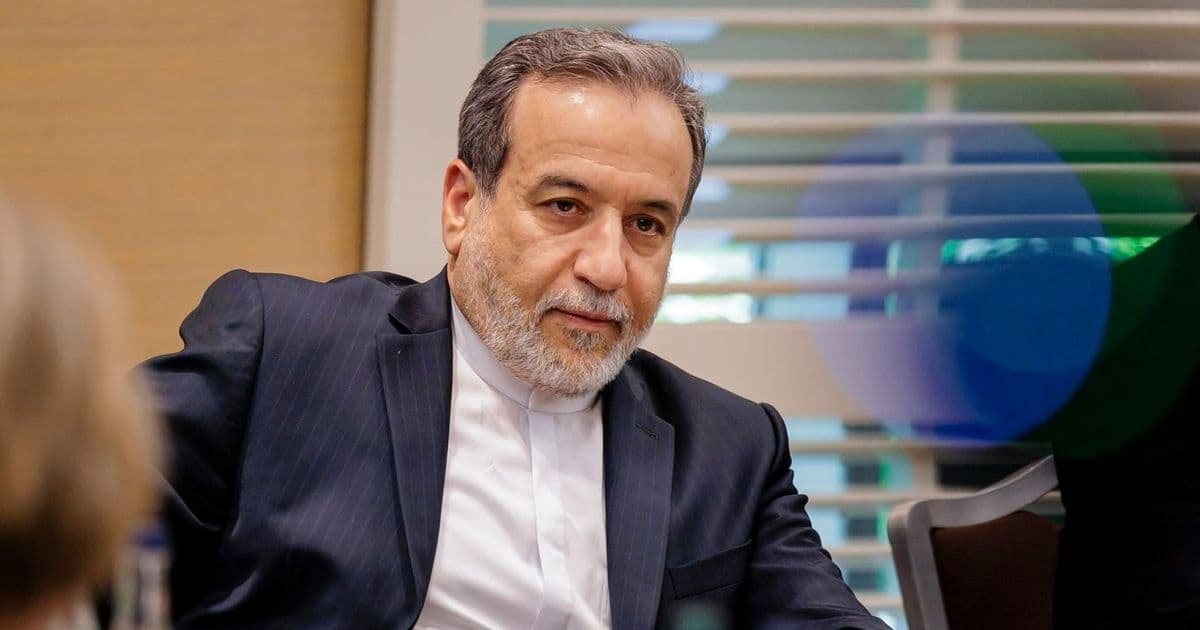
Iran and the United States have engaged in direct diplomatic communications in recent days, according to sources familiar with the matter.
Iran and the United States have been in direct contact in recent days, according to sources familiar with the matter, signaling a potential diplomatic opening between the two nations that have been at odds for decades.
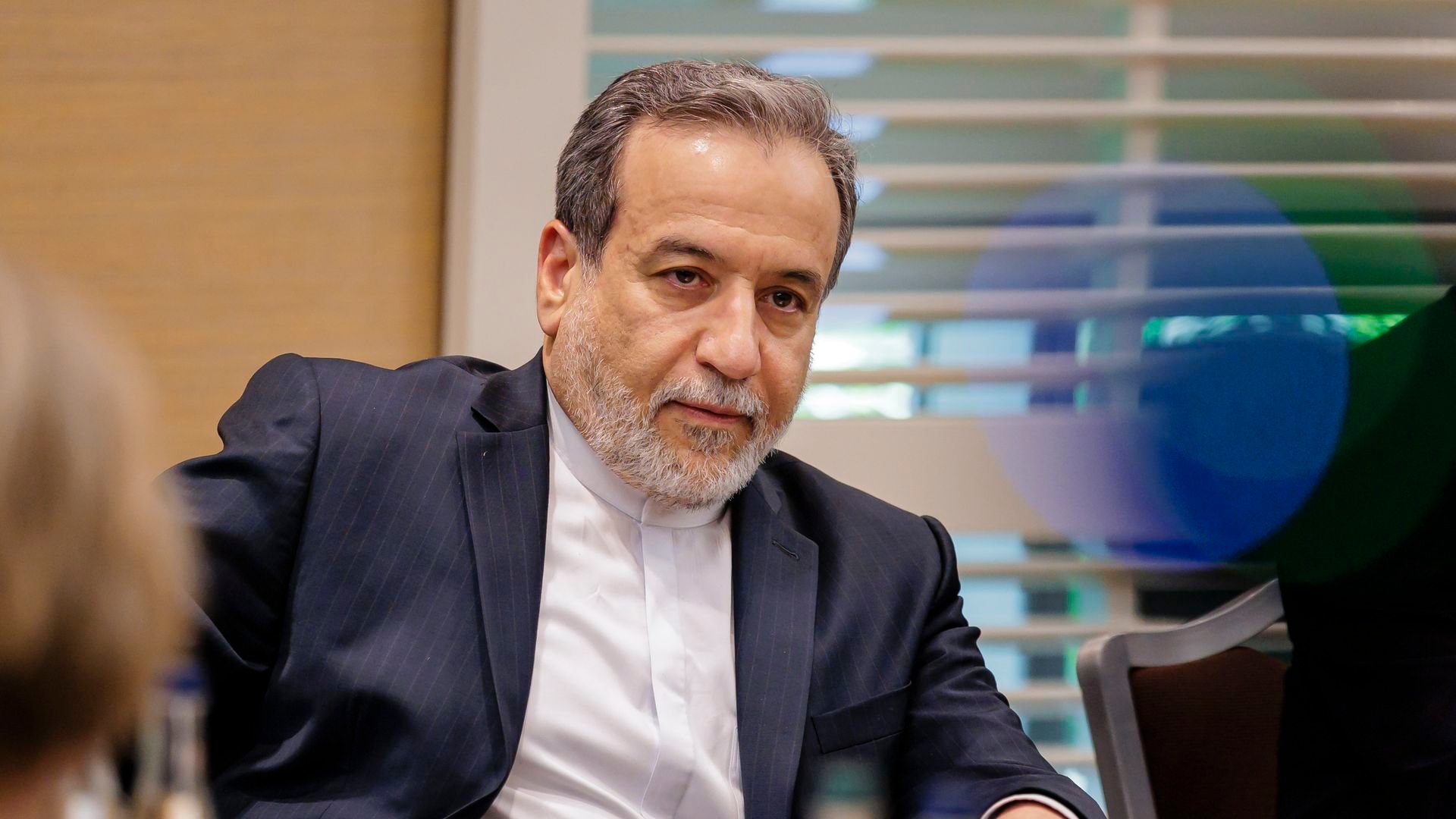
The communications come at a time of heightened tensions in the Middle East, with both countries navigating complex regional dynamics and ongoing nuclear negotiations. Sources indicate that the direct contact has taken place through multiple channels, though specific details about the nature and content of these communications remain limited.
The diplomatic outreach represents a significant development given the historically adversarial relationship between Washington and Tehran. The two nations have not maintained formal diplomatic relations since 1980, following the Iranian Revolution and the subsequent hostage crisis at the U.S. Embassy in Tehran.
While neither government has officially confirmed these communications, the reports suggest that backchannel diplomacy may be playing a role in managing tensions and exploring potential areas of cooperation or de-escalation. The timing of these contacts could be related to various regional issues, including Iran's nuclear program, sanctions relief discussions, and broader Middle East security concerns.
Diplomatic experts note that direct contact between the two nations, even if limited in scope, could provide a foundation for more substantive negotiations in the future. The communications may also serve as a mechanism for preventing misunderstandings that could lead to unintended escalation in an already volatile region.
The development comes amid ongoing international efforts to revive the 2015 nuclear deal, from which the United States withdrew in 2018 under the Trump administration. European mediators have been working to bridge differences between Washington and Tehran on the terms of a potential return to the agreement.
Regional observers are closely watching how these direct contacts might influence the broader geopolitical landscape, particularly as Iran faces economic pressures from sanctions while the United States seeks to contain Iranian influence in the Middle East.
The sources who disclosed the communications did not specify whether they involved senior officials or lower-level diplomatic contacts, nor did they indicate the duration or frequency of the exchanges. The lack of official confirmation from either government suggests that the communications may be exploratory in nature or part of ongoing diplomatic efforts that have not yet reached a point of public announcement.
As both nations continue to navigate their complex relationship, the existence of direct contact channels could prove valuable in managing crises and reducing the risk of miscalculation in a region where tensions can escalate rapidly.
Comments
Please log in or register to join the discussion