
Rome's La Sapienza University, Europe's largest university by student population, has taken its IT systems offline after a suspected ransomware attack by pro-Russian group Femwar02. The attack has disrupted operations across the 112,500-student institution, with technicians working with national cybersecurity agencies to restore systems from backups.
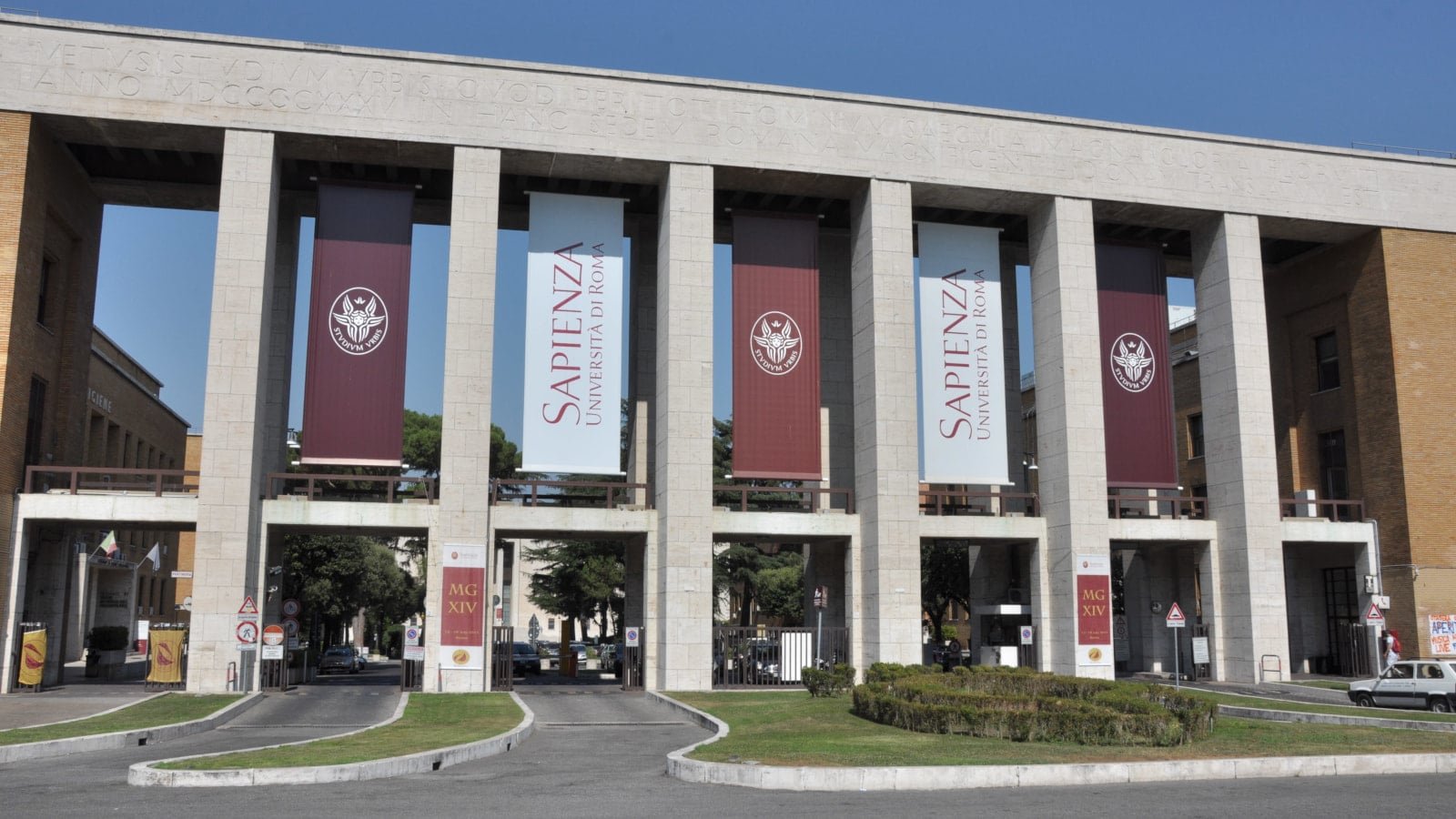
Rome's prestigious La Sapienza University has been forced to take its IT systems offline following a suspected ransomware attack that has disrupted operations across one of Europe's largest educational institutions.
Attack Timeline and Initial Response
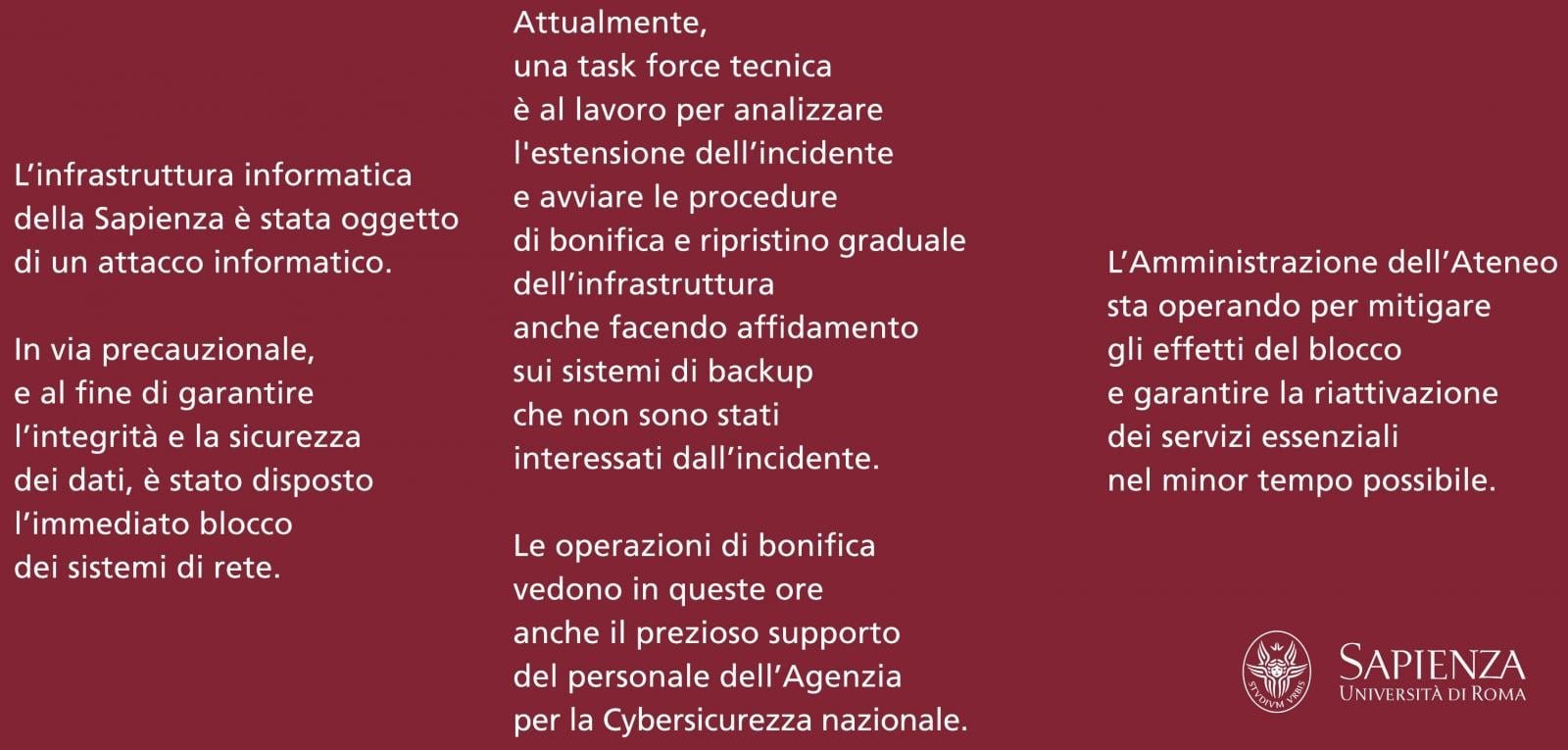
The university first disclosed the incident earlier this week through a social media announcement, revealing that its IT infrastructure "has been the target of a cyberattack." As a precautionary measure, administrators immediately ordered a complete shutdown of network systems to protect data integrity and security.
The attack comes at a critical time for the institution, which serves over 112,500 students on campus, making it the largest university in Europe by enrollment. In response to the breach, La Sapienza has notified Italian authorities and established a dedicated technical task force to manage remediation efforts.
Suspected Ransomware Attribution
While the university has been cautious about publicly disclosing specific details regarding the attack vector or responsible parties, Italian newspaper Corriere Della Sera has reported that the incident bears the hallmarks of a ransomware attack attributed to a pro-Russian threat actor known as Femwar02.
According to the publication's investigation, the attack appears to involve the Rorschach ransomware strain, which emerged in 2023. This particular malware variant is known for its exceptionally fast encryption speeds and extensive customization capabilities, making it particularly dangerous for large organizations with complex IT infrastructures.
Cybersecurity researchers have noted that Rorschach appears to be a sophisticated assembly of code from multiple leaked ransomware families, including Babuk, LockBit v2.0, and DarkSide. This hybrid approach allows the malware to combine the most effective features from each source, creating a more potent and adaptable threat.
Operational Impact and Student Disruption
As of the latest updates, La Sapienza's main website remains offline, and the university has been forced to implement temporary workarounds to maintain essential operations. Instagram posts from the institution indicate that temporary "infopoints" have been established across campus to provide students with information that would normally be accessible through digital systems and databases.
These physical information centers represent a significant operational shift for an institution that relies heavily on digital infrastructure for everything from course registration to academic record-keeping. The disruption highlights the vulnerability of educational institutions to cyberattacks and the cascading effects such incidents can have on daily operations.
Ransomware Negotiation and Recovery Efforts
According to sources cited by Corriere Della Sera, a ransom demand has been made, though university staff have deliberately avoided opening the ransom note to prevent triggering any built-in countdown timers that might accelerate data destruction or publication threats.
This cautious approach suggests that the institution is prioritizing recovery from backups rather than engaging with the attackers. The report indicates that backup systems have not been compromised, which significantly improves the university's chances of a full recovery without paying the ransom.
Italian cybersecurity authorities, including CSIRT (Computer Security Incident Response Team) and specialists from Agenzia per la Cybersicurezza Nazionale (ACN), are working alongside the university's technical teams and Polizia Postale to restore systems and investigate the breach.
Data Security Concerns
While Rorschach ransomware does not operate a public extortion portal on the dark web, the threat of data theft and subsequent sale or dissemination to data extortion groups remains significant. Educational institutions often store sensitive personal information, research data, and financial records, making them attractive targets for cybercriminals.
The absence of a dedicated leak site doesn't eliminate the risk of stolen data appearing on underground forums or being used for subsequent attacks, including identity theft or targeted phishing campaigns.
Broader Context and Industry Impact
This incident is part of a troubling trend of ransomware attacks targeting educational institutions worldwide. Similar attacks have recently affected organizations including South Korean education giant Kyowon, the University of Hawaii Cancer Center, University of Phoenix (impacting nearly 3.5 million individuals), University of Sydney, and Romanian oil pipeline operator Conpet.
These attacks demonstrate that educational and research institutions are increasingly viewed as high-value targets by ransomware groups, likely due to their combination of valuable data, often limited cybersecurity resources, and critical operational requirements that can pressure organizations into paying ransoms.
Recommendations for Affected Community
Given the ongoing situation, students and staff at La Sapienza University should exercise heightened vigilance regarding cybersecurity. The university community should:
- Remain alert for phishing attempts and suspicious communications
- Avoid clicking on links or downloading attachments from unknown sources
- Monitor personal and institutional accounts for unusual activity
- Follow official university communications for updates on the recovery process
- Report any suspicious emails or system behavior to IT security personnel
The incident serves as a stark reminder of the importance of robust cybersecurity measures, regular backup procedures, and incident response planning for educational institutions of all sizes. As recovery efforts continue, the full impact of this attack on La Sapienza's operations and the broader implications for European higher education cybersecurity will become clearer.
Comments
Please log in or register to join the discussion