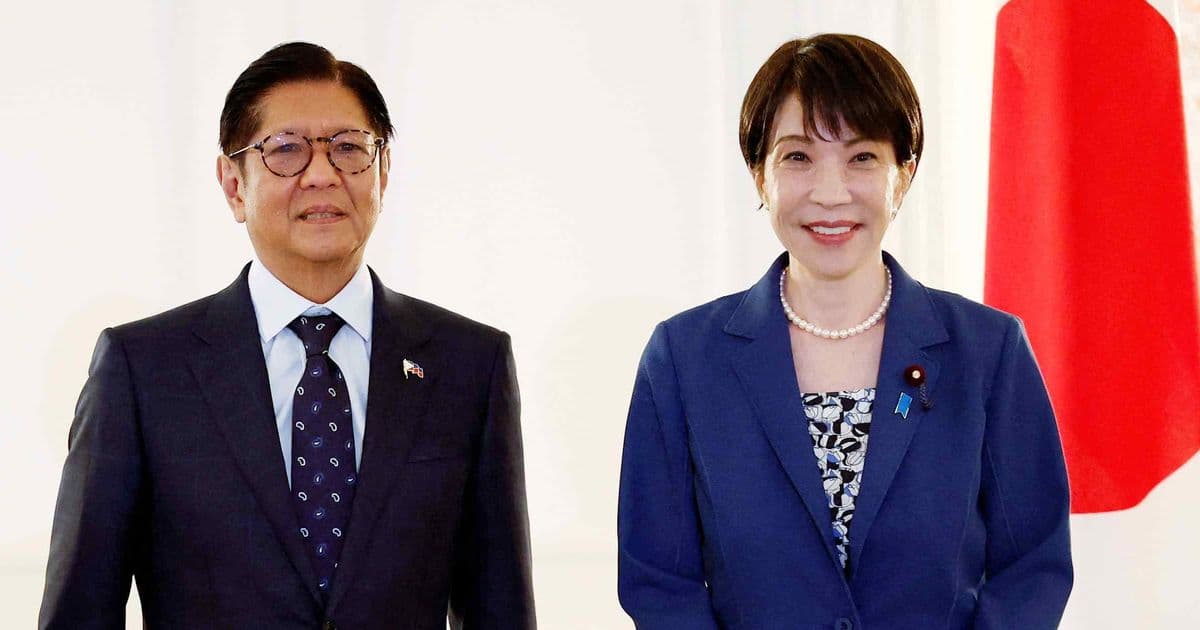
Japan and the Philippines have upgraded their diplomatic relationship to a comprehensive strategic partnership, launching new intelligence‑sharing talks and joint defence initiatives as Beijing’s assertiveness intensifies, with significant implications for regional security spending and supply‑chain resilience.
Japan and Philippines Elevate Ties Amid Growing China Security Concerns
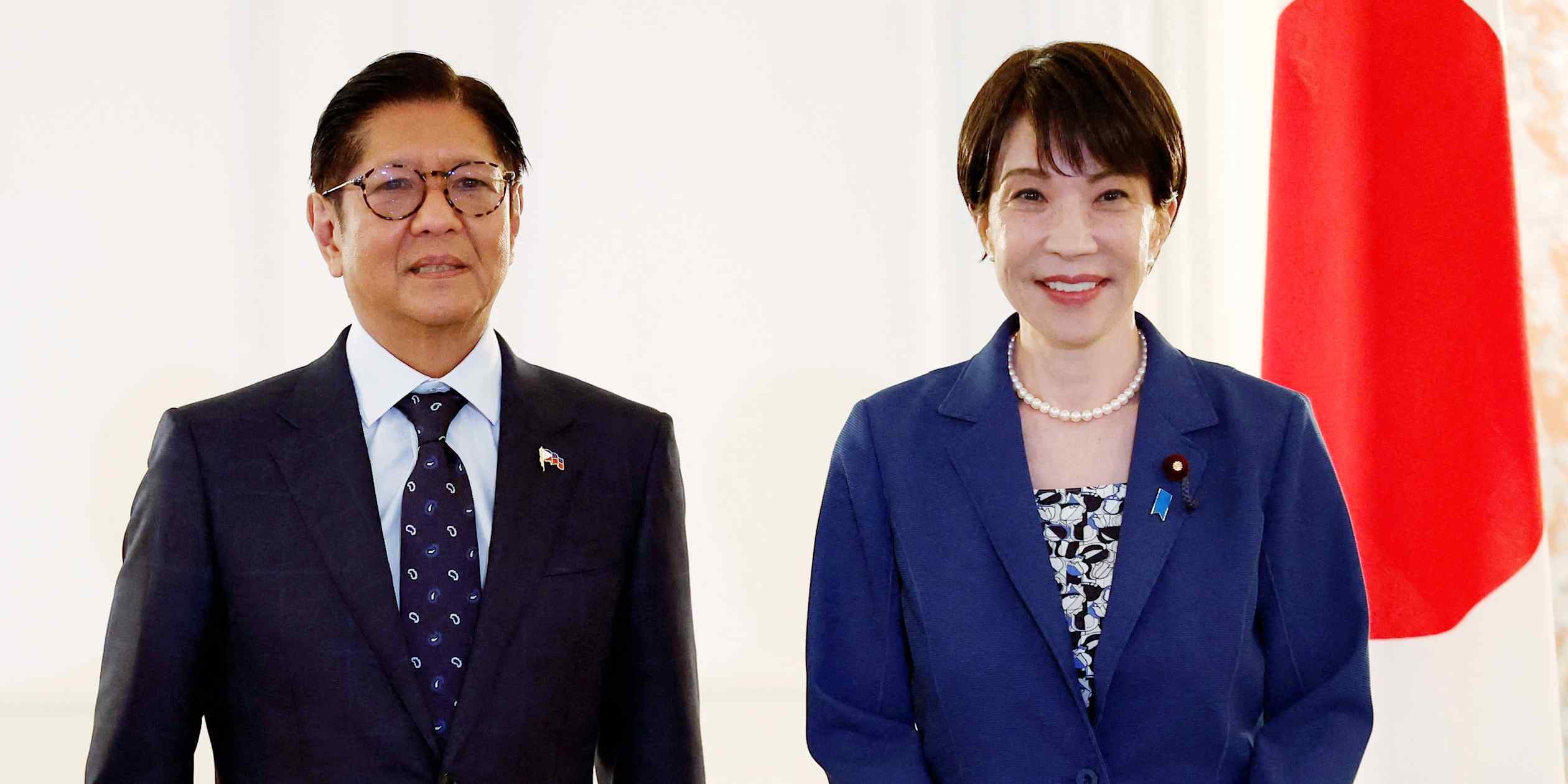
Key development – On 28 May 2026, Japanese Prime Minister Sanae Takaichi and Philippine President Ferdinand Marcos Jr. signed a declaration upgrading bilateral relations to a comprehensive strategic partnership, the highest diplomatic tier between the two nations. The agreement includes a framework for intelligence sharing, joint maritime security drills, and cooperation on critical mineral supply chains.
Market context
- Regional defence budgets – In the 2026 fiscal year, Japan’s defence budget rose to ¥12.5 trillion (≈ US$84 bn), a 7 % increase from 2025, driven largely by naval and missile‑defence projects. The Philippines announced a $3.2 bn allocation for modernising its navy and air force, the largest annual defence spend in its history.
- China’s maritime posture – The People’s Liberation Army Navy added 15 new surface combatants in the first quarter of 2026, while the Coast Guard expanded its presence around the South China Sea. These moves have prompted neighboring states to seek deeper security pacts.
- Supply‑chain implications – Japan’s recent pledge to help the Philippines boost oil reserves—including a $1.1 bn joint storage facility—reflects concerns over potential disruptions from the Iran‑Ukraine conflict and Chinese coercion of regional energy routes.
What it means for the market
- Defense‑industry upside – Companies such as Kawasaki Heavy Industries, Mitsubishi Heavy, and Hanwha Defense Philippines are likely to see increased order books as Manila upgrades its fleet with Japanese‑made patrol vessels and missile systems. Analysts at Nomura project a 12 % revenue lift for Japanese defence exporters by 2028 if the partnership deepens.
- Strategic minerals – Both governments highlighted cooperation on rare‑earths and cobalt sourcing. Japan’s JX Nippon Mining and the Philippines’ Philex Mining have already signed a memorandum of understanding to explore joint extraction projects in Mindoro. This could reduce Japan’s reliance on Chinese rare‑earth imports, which currently account for 78 % of its supply.
- Infrastructure financing – The upgraded partnership opens the door for Japan International Cooperation Agency (JICA) to fund additional ports, airfields, and cyber‑security hubs in the Philippines. A tentative $2.5 bn package announced at the summit would complement the Philippines’ own infrastructure push, potentially boosting construction‑sector earnings for firms like Obayashi and Taisei.
- Geopolitical risk premium – Investors are likely to price in a higher risk premium for assets exposed to the South China Sea. Equity indices in the region may experience 0.5‑1 pp volatility spikes around any escalation, while sovereign bond spreads for the Philippines could tighten as Japan’s backing improves credit perception.
Strategic implications
- Balancing act for Tokyo – While deepening ties with Manila, Japan must manage its economic interdependence with China, which remains its largest trading partner (2025 bilateral trade ≈ ¥35 trillion). The partnership signals a calibrated shift toward a security‑focused foreign policy without severing economic links.
- U.S. alignment – The move dovetails with Washington’s push for a “Free and Open Indo‑Pacific.” The United States has already pledged $5 bn in additional security assistance to the Philippines; Japan’s partnership adds a multilateral dimension that may reduce the burden on U.S. forces.
- Domestic political capital – For Prime Minister Takaichi, the agreement offers a tangible foreign‑policy win ahead of the upcoming 2027 general election, while President Marcos can frame the partnership as a sovereign response to external threats, bolstering his administration’s credibility.
Bottom line
The Japan‑Philippines strategic partnership marks a decisive step toward a more coordinated security architecture in Southeast Asia. Immediate market effects are likely to be felt in defence manufacturing, rare‑earth supply chains, and infrastructure financing, while the broader geopolitical shift introduces a new layer of risk assessment for investors tracking the Indo‑Pacific region.
Sources: Reuters, Nikkei Asia, Ministry of Defense (Japan), Department of National Defense (Philippines), JICA press releases.
Comments
Please log in or register to join the discussion