Japanese shipbuilding-related stocks have outperformed AI companies like Nvidia over the past three years, with Japan Engine's shares rising 30-fold and Mitsui E&S increasing sixteenfold since 2022.
Japanese shipbuilding-related stocks have delivered extraordinary returns that have outpaced even the most celebrated artificial intelligence companies, with Japan Engine's shares rising 30-fold over three years and Mitsui E&S increasing sixteenfold since 2022.
The remarkable performance of these maritime technology companies comes as investors recognize the strategic importance of advanced shipping technology in global trade. While Nvidia and other AI giants have dominated headlines, shipbuilding stocks have quietly delivered superior returns.
Japan Engine, a leading manufacturer of marine propulsion systems, has seen its market value explode as demand for efficient, low-emission ship engines grows. The company's world-beating technology in hybrid and alternative fuel engines has positioned it at the forefront of the maritime industry's transition to cleaner propulsion.
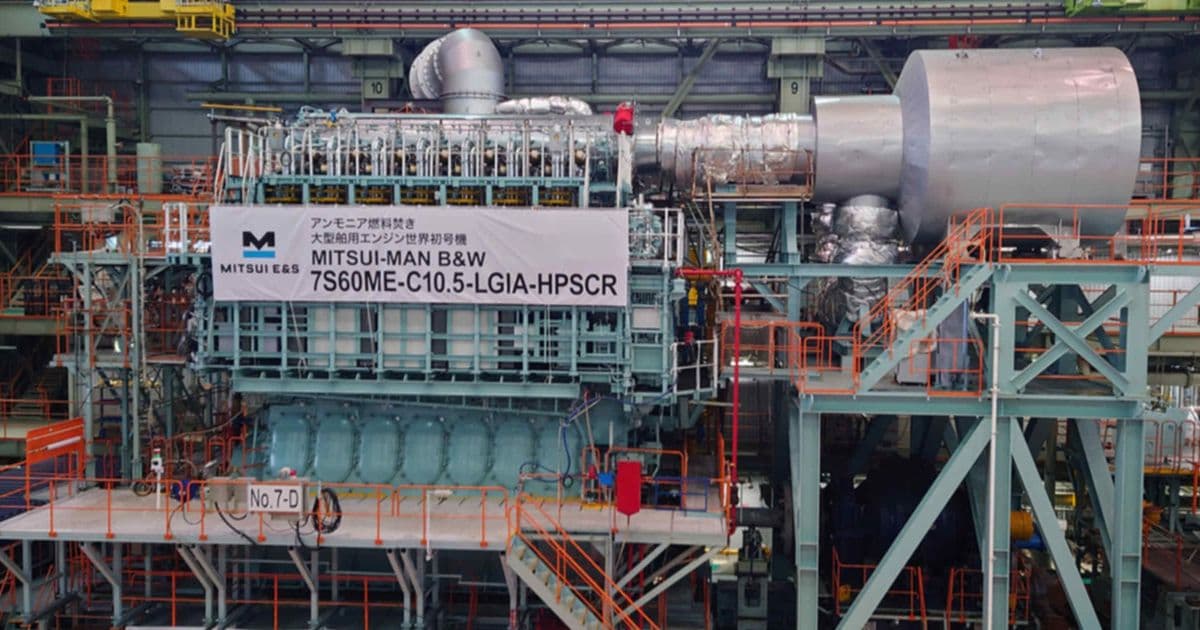
Mitsui E&S, another standout performer, has expanded its reach through strategic partnerships. The company recently partnered with Everllence to manufacture diesel engines for large ships, combining Mitsui's engineering expertise with Everllence's manufacturing capabilities. This collaboration has strengthened Mitsui's competitive position in the global marine engine market.
The outperformance of shipbuilding stocks reflects several converging trends. Global shipping volumes continue to grow, driving demand for new vessels and engine replacements. At the same time, increasingly stringent environmental regulations are forcing shipping companies to upgrade to more efficient, lower-emission engines.
Investors appear to be recognizing that the maritime industry represents a massive, essential market that benefits from both cyclical growth and secular trends toward efficiency and environmental compliance. Unlike some AI applications that face uncertain adoption timelines, shipping companies need to replace aging fleets and upgrade engines on relatively predictable schedules.
The success of these Japanese shipbuilding companies also highlights the country's continued strength in specialized industrial technology. While Japan faces challenges in some consumer electronics and automotive segments, it maintains leadership in precision engineering and industrial applications.
This trend suggests that investors may need to look beyond the most obvious technology plays to find the next wave of high-performing stocks. The maritime industry, with its enormous scale and ongoing technological transformation, represents a compelling opportunity that has been overlooked by many market participants focused on more visible tech sectors.
As global trade continues to evolve and environmental standards tighten, the companies that can deliver innovative solutions for the shipping industry may continue to outperform, regardless of what happens in the AI sector.
Comments
Please log in or register to join the discussion