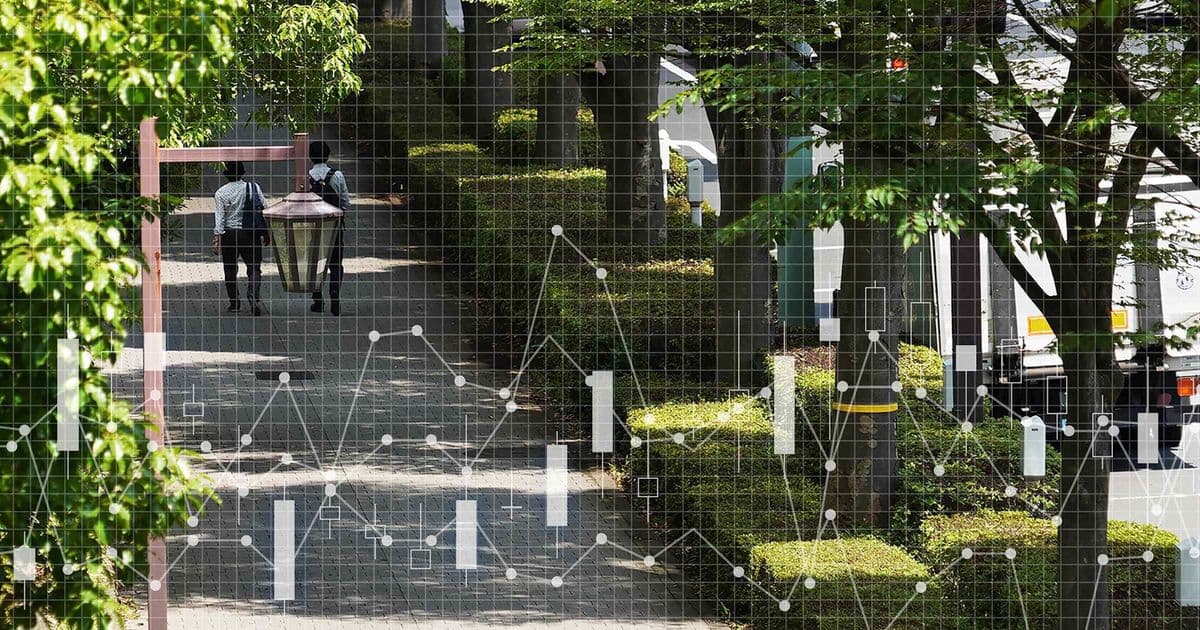
As cities worldwide increasingly prioritize green infrastructure, Japan's urban tree coverage is shrinking due to development patterns and municipal policies favoring low-maintenance species, with significant implications for urban heat mitigation and quality of life.
Tokyo's Imperial Palace and Shinjuku Gyoen National Garden remain iconic green spaces offering respite from the urban grind. However, these verdant oases mask an alarming trend: Japan's cities are losing tree coverage at a time when most global metropolises are actively increasing their urban forests.
According to recent environmental studies, major Japanese cities have experienced a 3.2% decline in urban tree coverage over the past decade, contrasting sharply with the global average increase of 4.5% during the same period. This divergence represents a significant missed opportunity in climate adaptation strategies.
The primary drivers of this decline reflect broader shifts in Japan's urban landscape. Multi-unit residential developments have increasingly replaced single-family homes with private gardens, eliminating traditional sources of urban greenery. Between 2016 and 2026, the construction of apartment complexes in urban areas increased by 27%, while detached housing with garden space decreased by 15%.
"The loss of garden space in residential areas represents the most significant factor in reduced urban canopy," explained Dr. Hiroshi Yamamoto, an urban planning professor at the University of Tokyo. "These private green spaces, while not always publicly visible, contribute substantially to the overall urban ecosystem."
Municipal policies have further accelerated this trend. Many local governments have prioritized low-maintenance tree species that require minimal care, often at the expense of biodiversity and shade-providing varieties. A survey of 50 Japanese cities found that 68% now favor ornamental trees with smaller canopies over traditional shade trees.
The consequences extend beyond aesthetics. Reduced tree coverage contributes to the urban heat island effect, with Tokyo's nighttime temperatures now averaging 2.3°C higher than surrounding suburban areas during summer months. This has direct implications for public health, with heat-related hospitalizations increasing by 19% in Tokyo over the past five years.
Economically, the trend carries significant costs. The Japan Research Institute estimates that the current tree coverage deficit results in approximately ¥120 billion ($800 million) annually in additional energy costs for cooling buildings and increased healthcare expenditures related to heat stress.
Globally, cities are recognizing the value of urban green infrastructure. London has increased its tree canopy by 12% since 2015 through its "Urban Forest Plan," while Singapore has integrated green spaces into 80% of new developments through its "City in a Garden" initiative. These approaches demonstrate how urban development and environmental goals can be complementary.
Japan's Ministry of Land, Infrastructure, Transport and Tourism has acknowledged the issue, announcing a new initiative to increase urban tree coverage by 5% over the next decade. The program focuses on integrating green spaces into public infrastructure, including street-side plantings, green roofs, and vertical gardens in dense urban areas.
"We need to rethink how we incorporate greenery into our cities," said ministry official Emiko Sato. "The challenge isn't just about planting more trees, but creating integrated green networks that serve multiple functions—from cooling to biodiversity to mental health benefits."
The private sector is also beginning to respond. Real estate developers like Mitsui Fudosan and Mitsubishi Estate are incorporating green spaces into new commercial developments, recognizing their value in attracting tenants and enhancing property values. Some projects now feature terraced gardens, skybridges with plantings, and interior atriums designed to improve air quality and occupant well-being.
As Japan confronts the demographic challenges of an aging population and declining urban populations, the opportunity exists to redesign urban spaces with greater emphasis on green infrastructure. The global trend toward urban greening suggests that Japan could benefit from aligning its development strategies with these best practices, turning the current decline into an opportunity for innovation in sustainable urban design.
The path forward will require coordinated efforts between national government, local municipalities, private developers, and citizens. With strategic planning and investment, Japan's cities could reverse the current trend, creating cooler, healthier, and more livable urban environments that contribute meaningfully to climate resilience.
Comments
Please log in or register to join the discussion