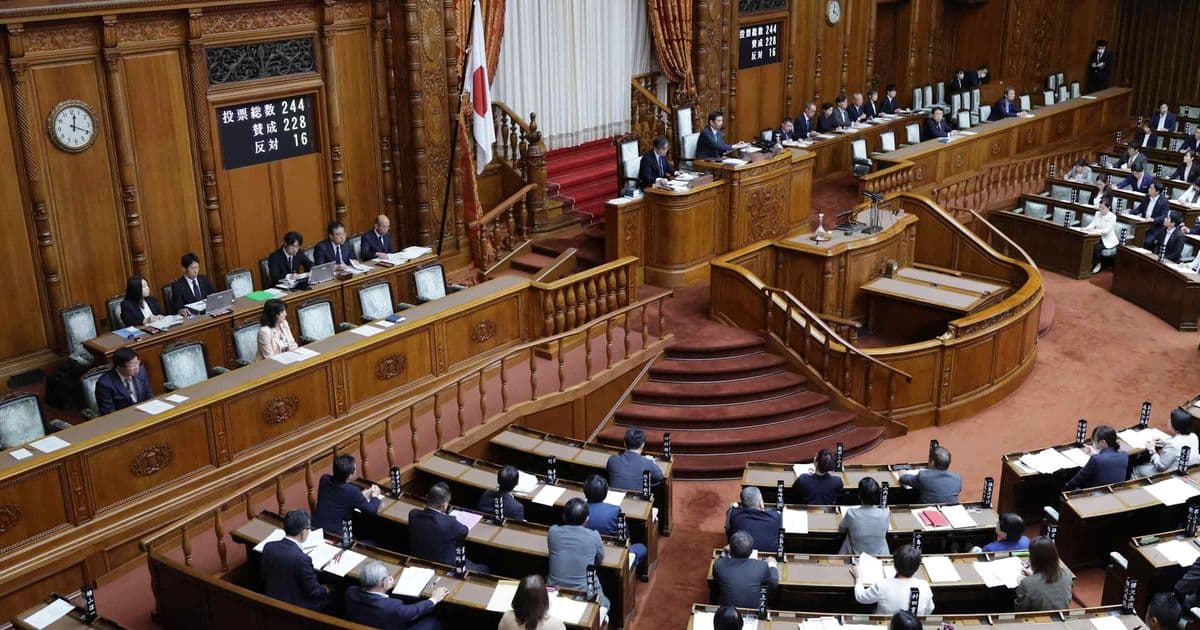
Japan’s Diet approved amendments to the Foreign Exchange and Foreign Trade Act, expanding the scope of deals subject to national‑security review and establishing a cross‑government panel similar to the U.S. CFIUS. The move signals heightened scrutiny of inbound capital, especially in technology and critical infrastructure, and could reshape M&A activity and private‑equity flows into the country.
Japan strengthens oversight of inbound capital
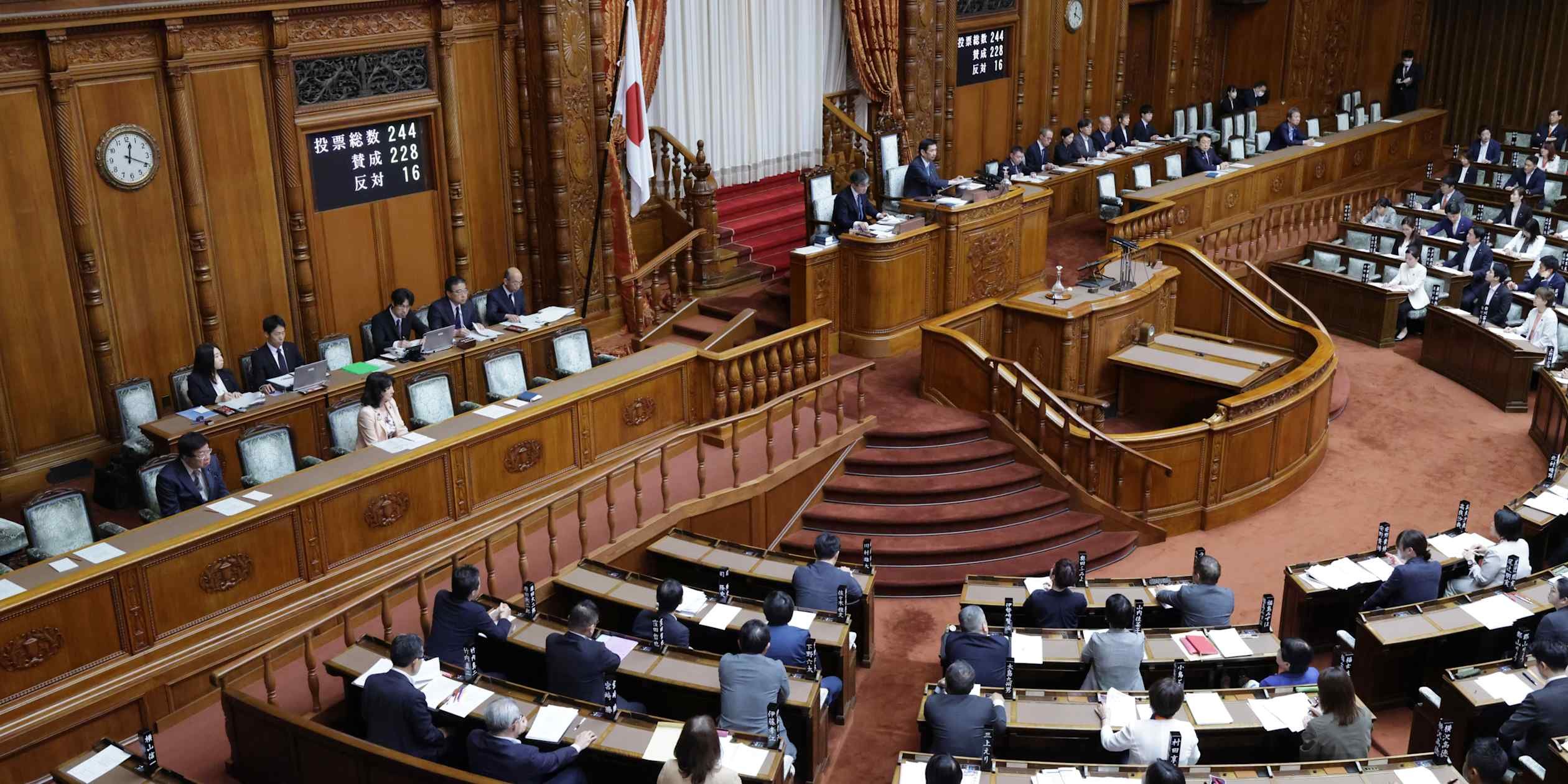
Japan’s upper house voted on May 29 to adopt a revised Foreign Exchange and Foreign Trade Act (FEFTA) that broadens the government’s authority to assess foreign investments for national‑security risks. The amendment creates a dedicated, inter‑ministerial review panel – modeled on the United States’ Committee on Foreign Investment in the United States (CFIUS) – that will examine a wider range of transactions, including minority stakes and strategic partnerships in sectors such as semiconductors, AI, robotics, and critical infrastructure.
Market context: why the change now?
The policy shift arrives amid growing geopolitical tension in the Indo‑Pacific and a surge of Chinese capital targeting Japanese tech firms. In 2025, foreign‑direct investment (FDI) into Japan reached $28.4 billion, up 12 % year‑over‑year, with the majority flowing into manufacturing and information‑technology services. At the same time, the Ministry of Economy, Trade and Industry (METI) reported that over 30 % of announced M&A deals in 2024 involved a foreign acquirer with ties to state‑owned enterprises.
Analysts note that Japan’s previous investment‑screening framework, introduced after the 2016 “National Security Act,” was limited to purchases that gave a foreign party “control” of a Japanese company. The new law lowers the threshold, allowing the panel to intervene when a foreign investor acquires as little as 10 % of voting rights in a firm deemed strategically sensitive.
What it means for investors and Japanese firms
- Higher compliance costs – Companies will need to prepare detailed security dossiers for any transaction that falls under the expanded definition of “critical technology.” Legal counsel estimates that review preparation could add $250,000–$500,000 per deal, depending on complexity.
- Potential deal delays – The panel has a 30‑day initial review window, extendable by another 30 days for complex cases. Transactions that previously closed in 60 days may now take up to four months, affecting time‑sensitive private‑equity exits.
- Shift in deal structure – To avoid triggering a review, foreign investors may favor joint‑venture models, licensing agreements, or the use of Japanese “white‑list” subsidiaries that meet predefined security criteria.
- Opportunities for domestic capital – With foreign investors facing tighter scrutiny, Japanese private‑equity firms such as MBK and Carlyle Japan are likely to see increased mandate flow for mid‑market buyouts, especially in sectors that remain outside the new security net.
- Impact on technology imports – Companies importing advanced AI chips or robotics components from abroad may need to disclose supply‑chain contracts to the panel, potentially slowing the rollout of next‑generation manufacturing lines.
Strategic implications for the broader economy
The legislation aligns Japan with other advanced economies that have introduced CFIUS‑type mechanisms, including the EU’s Foreign Subsidies Regulation and Australia’s Foreign Investment Review Board reforms. By formalising a security‑first review process, Japan aims to protect intellectual property and critical supply chains while still encouraging “high‑quality” FDI that supports growth.
However, the tighter regime could deter some foreign capital, particularly from investors who view the review as a de‑facto barrier to market entry. Early indications from the Japan External Trade Organization (JETRO) suggest a modest dip in inbound deal pipelines for the next two quarters, with a projected 3‑4 % decline in announced transactions compared with the same period in 2025.
Bottom line
Japan’s revised FEFTA marks a decisive step toward a more guarded investment environment. While the new CFIUS‑style panel is expected to safeguard strategic sectors, it also introduces additional compliance burdens and potential delays for cross‑border deals. Companies planning M&A activity in Japan should reassess transaction structures, engage local counsel early, and monitor the panel’s guidance as it begins to issue its first rulings.
*For further details on the legislative text, see the Ministry of Finance’s official release here.
Comments
Please log in or register to join the discussion