
Chase's Q4 2025 earnings reveal the immediate financial impact of acquiring Apple Card from Goldman Sachs, showing why the banking giant is paying heavily to enter this risky partnership.
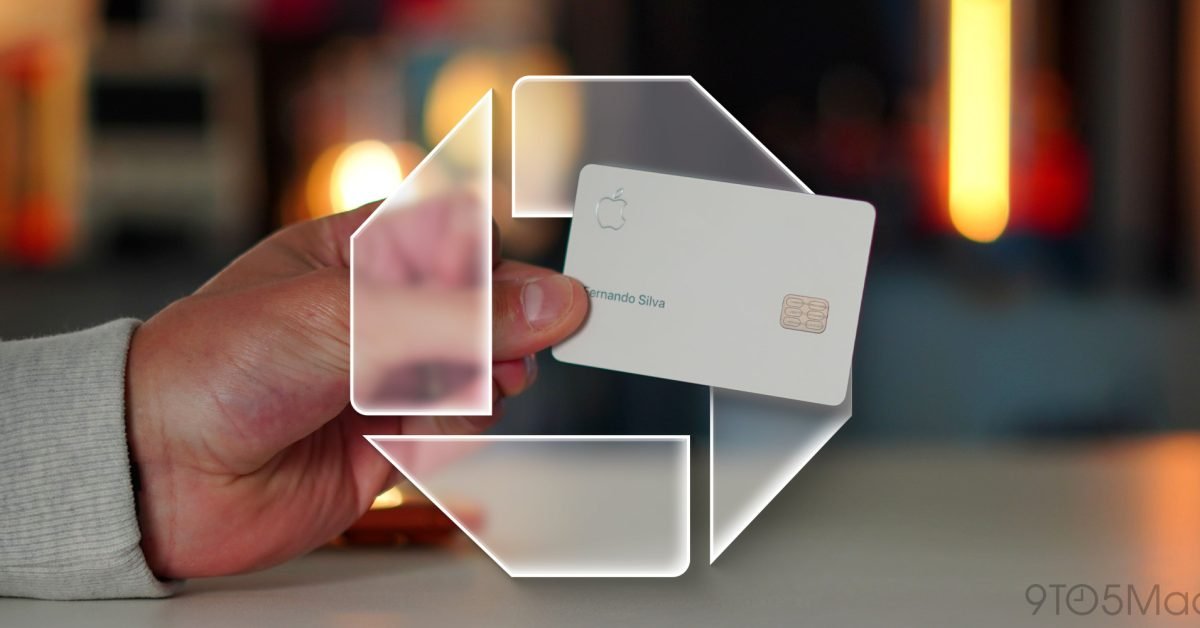
The ink was barely dry on JPMorgan Chase's Apple Card acquisition announcement when the financial reality set in. Last week's confirmation that Chase would become the new issuer of Apple Card came with an immediate $2.2 billion charge against the bank's Q4 2025 earnings—a move that contributed to a 7% profit decline for the quarter.
The Numbers Behind the Deal
According to The Wall Street Journal's reporting, JPMorgan Chase took this substantial charge to account for potential future loan losses on approximately $20 billion in balances tied to the Apple Card program. Even though Chase won't officially assume control of the program for another two years, the bank is already adjusting its books to reflect the risk profile of this acquisition.
The charge dragged down Q4 earnings by 60 cents per share, a significant hit that demonstrates how seriously Chase is treating the financial risks Goldman Sachs struggled with. This preemptive accounting move suggests Chase has learned from Goldman's experience and is building in substantial cushion for potential defaults or losses.
Why Goldman Sachs Is Eager to Exit
The Apple Card partnership has been notoriously difficult for Goldman Sachs. Despite strong consumer adoption and positive user experience ratings, the product has generated significant financial losses for the investment bank. The card's generous rewards structure, combined with Apple's brand-driven customer expectations, created a challenging unit economics equation.
Goldman Sachs reportedly lost over $1 billion on the Apple Card venture during its partnership. The bank's struggles highlight a fundamental tension in fintech partnerships: consumer-friendly products don't always translate to sustainable business models for issuers.
What This Means for Chase's Strategy
So why would JPMorgan Chase willingly take on a product that has proven so problematic for its predecessor? Several factors likely drove the decision:
Customer Acquisition: Apple Card represents access to millions of Apple users, many of whom are affluent, digitally-native customers that banks covet. The card's integration with Apple Pay and iPhone creates a seamless user experience that traditional cards struggle to match.
Long-term Economics: Chase may believe it can improve the program's profitability through better risk management, different reward structures, or operational efficiencies. As one of America's largest card issuers, Chase has scale advantages Goldman lacked.
Strategic Partnership: The relationship with Apple itself has value beyond the card program. Chase likely sees strategic benefits in being aligned with Apple's financial services ambitions.
What Changes to Expect
While Apple has emphasized continuity for existing users, industry observers anticipate changes when Chase takes over. Potential modifications could include:
Rewards Structure Adjustments: The card's 2% Daily Cash on Apple Pay purchases and 1% on everything else may be modified to improve unit economics.
Credit Requirements: Chase might tighten underwriting standards to reduce default risk.
Feature Changes: Integration with Chase's existing ecosystem could provide new benefits but might alter the pure Apple-centric experience.
Fees or Terms: While Apple has positioned the card as having no fees, Chase could introduce new terms to improve profitability.
The Broader Implications
This acquisition highlights the maturation of fintech partnerships. The early model—where tech companies partner with banks to offer branded financial products—has proven more complex than initially envisioned. Both Apple and Goldman Sachs learned hard lessons about the capital requirements and regulatory complexity of lending.
For Chase, the $2.2 billion charge represents a calculated bet that they can succeed where Goldman struggled. The bank's experience managing large-scale credit card portfolios gives it tools Goldman lacked. But the immediate financial impact shows this is no sure thing.
The deal also signals Apple's commitment to maintaining the card program despite the challenges. Apple has invested heavily in the product and its integration across their ecosystem. Finding a new issuer rather than shutting down preserves that investment and maintains Apple's foothold in financial services.
As the transition period progresses, all eyes will be on whether Chase can transform Apple Card from a consumer favorite into a profitable business line. The $2.2 billion provision suggests Chase is approaching this with appropriate caution, but the ultimate test will be the program's performance under new management.
For current Apple Card users, the immediate message is continuity. But the financial realities driving this transition suggest changes are inevitable—Chase didn't take a multi-billion dollar hit without plans to improve the program's economics.
Comments
Please log in or register to join the discussion