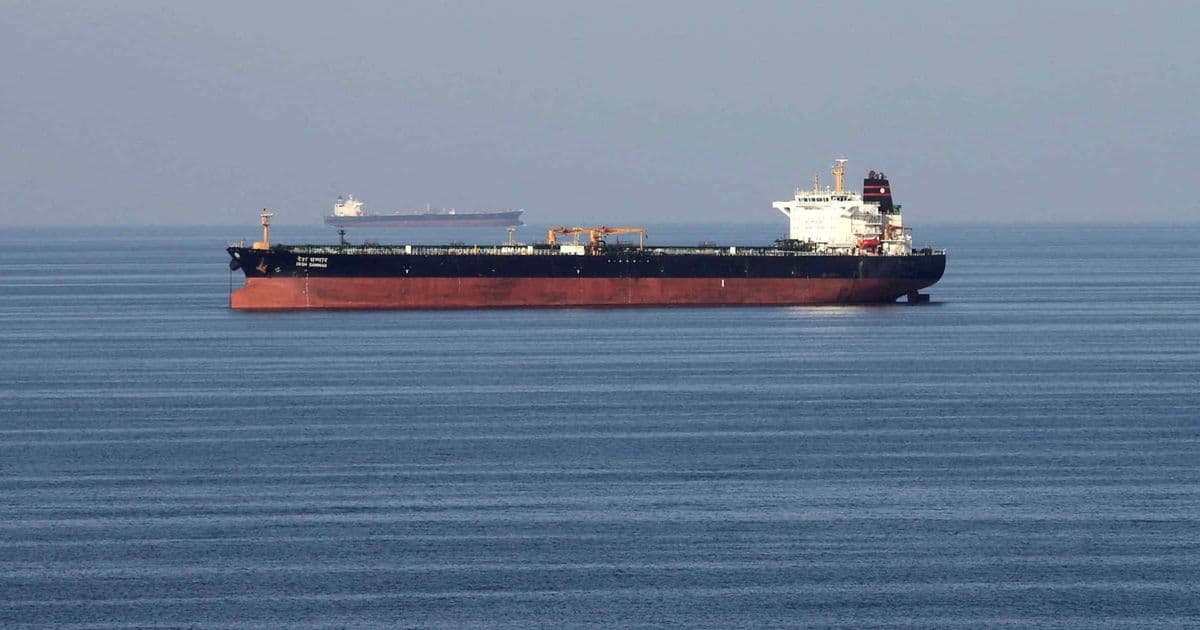
Japan's maritime industry faces major disruption as the Strait of Hormuz closes to energy shipments, threatening global oil supplies and Japanese inflation.
A major Japanese maritime shipping group has confirmed that the Iranian Navy has issued a ban on vessels sailing through the Strait of Hormuz, effectively closing one of the world's most critical energy shipping routes. The closure affects crude oil and liquefied natural gas (LNG) shipments, with multiple tanker owners, oil majors, and trading houses already suspending operations through the strategic waterway.
The Strait of Hormuz, located between Iran and Oman, handles approximately 20% of global oil shipments and serves as the primary export route for Middle Eastern crude. The waterway's closure represents a significant escalation in regional tensions and poses immediate risks to global energy markets.
For Japan, which imports roughly 90% of its crude oil from the Middle East, the disruption could have severe economic consequences. Energy analysts warn that a prolonged stoppage could stoke Japanese inflation, already a concern for policymakers grappling with rising costs across multiple sectors.
The shipping ban comes amid heightened geopolitical tensions following recent U.S. and Israeli strikes on Iran, which have raised alarm across Asia. The timing suggests the closure may be retaliatory in nature, though Iranian authorities have not issued formal statements regarding the waterway's status.
Energy markets have reacted swiftly to the news, with crude oil futures showing volatility as traders assess the potential for sustained supply disruptions. The closure affects not only oil shipments but also LNG carriers, potentially impacting global natural gas supplies and prices.
Maritime security experts note that the Strait of Hormuz has been a flashpoint for regional tensions for decades, but a complete closure represents an unprecedented escalation. The waterway's narrow shipping lanes make it particularly vulnerable to blockades or military action.
Japanese shipping companies are now forced to consider alternative routes, though options are limited. The longer route around Africa's Cape of Good Hope would significantly increase shipping times and costs, potentially adding weeks to delivery schedules and millions in additional fuel expenses.
The closure also raises questions about the security of other strategic waterways in the region, including the Bab el-Mandeb Strait near Yemen and the Suez Canal. Shipping companies may need to reassess their risk exposure across multiple Middle Eastern and Asian routes.
For energy markets, the disruption comes at a time when global supplies were already tight due to OPEC+ production cuts and strong demand from recovering Asian economies. The additional shock to the system could push oil prices significantly higher, with cascading effects on transportation, manufacturing, and consumer goods.
Japanese government officials are reportedly in emergency consultations with energy companies and international partners to assess the situation and develop contingency plans. The Ministry of Economy, Trade and Industry is expected to release guidance on potential energy rationing or alternative supply arrangements if the closure persists.
Industry analysts suggest that if the Strait of Hormuz remains closed for more than a few weeks, it could force a fundamental restructuring of global energy trade flows. Countries heavily dependent on Middle Eastern oil may need to accelerate investments in renewable energy or seek new long-term supply agreements with alternative producers.
The situation remains fluid, with diplomatic efforts underway to resolve the standoff. However, the immediate impact on global energy markets and Japanese economic stability is already being felt, highlighting the continued vulnerability of the world's energy infrastructure to geopolitical disruptions.
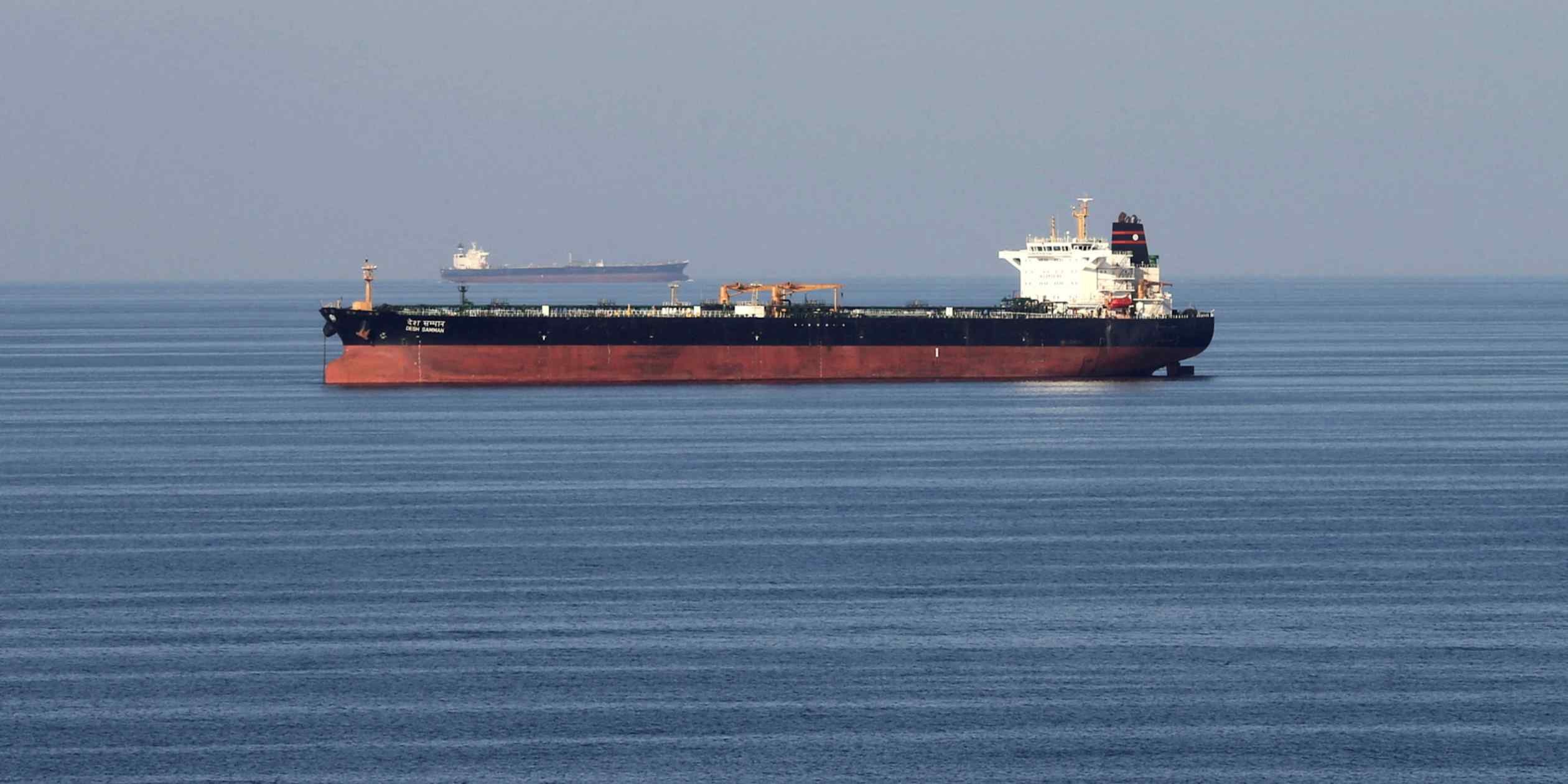
The closure of the Strait of Hormuz represents one of the most significant disruptions to global energy flows in recent years, with implications extending far beyond immediate shipping concerns to encompass broader questions of energy security, economic stability, and regional power dynamics.
Comments
Please log in or register to join the discussion