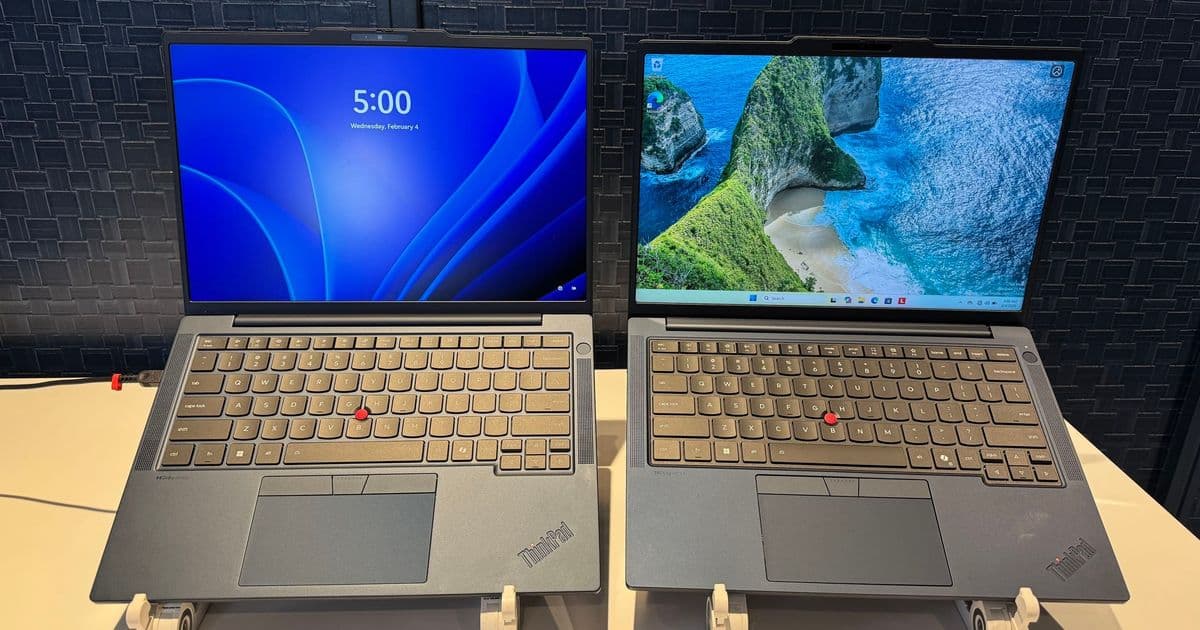
Lenovo unveils new ThinkPad laptops in striking blue colorways, enterprise-focused upgrades with improved repairability, and a Legion 7a gaming laptop powered by AMD's Ryzen AI Max+ 392 processor.
Lenovo is making a bold statement at Mobile World Congress with its latest lineup of laptops, headlined by a striking blue ThinkPad T14 and a gaming-focused Legion 7a powered by AMD's new Strix Halo processor. The announcements span Lenovo's enterprise, gaming, and productivity lines, showcasing the company's strategy to refresh its entire portfolio with cutting-edge components and thoughtful design updates.
Enterprise ThinkPads Get a Colorful Makeover
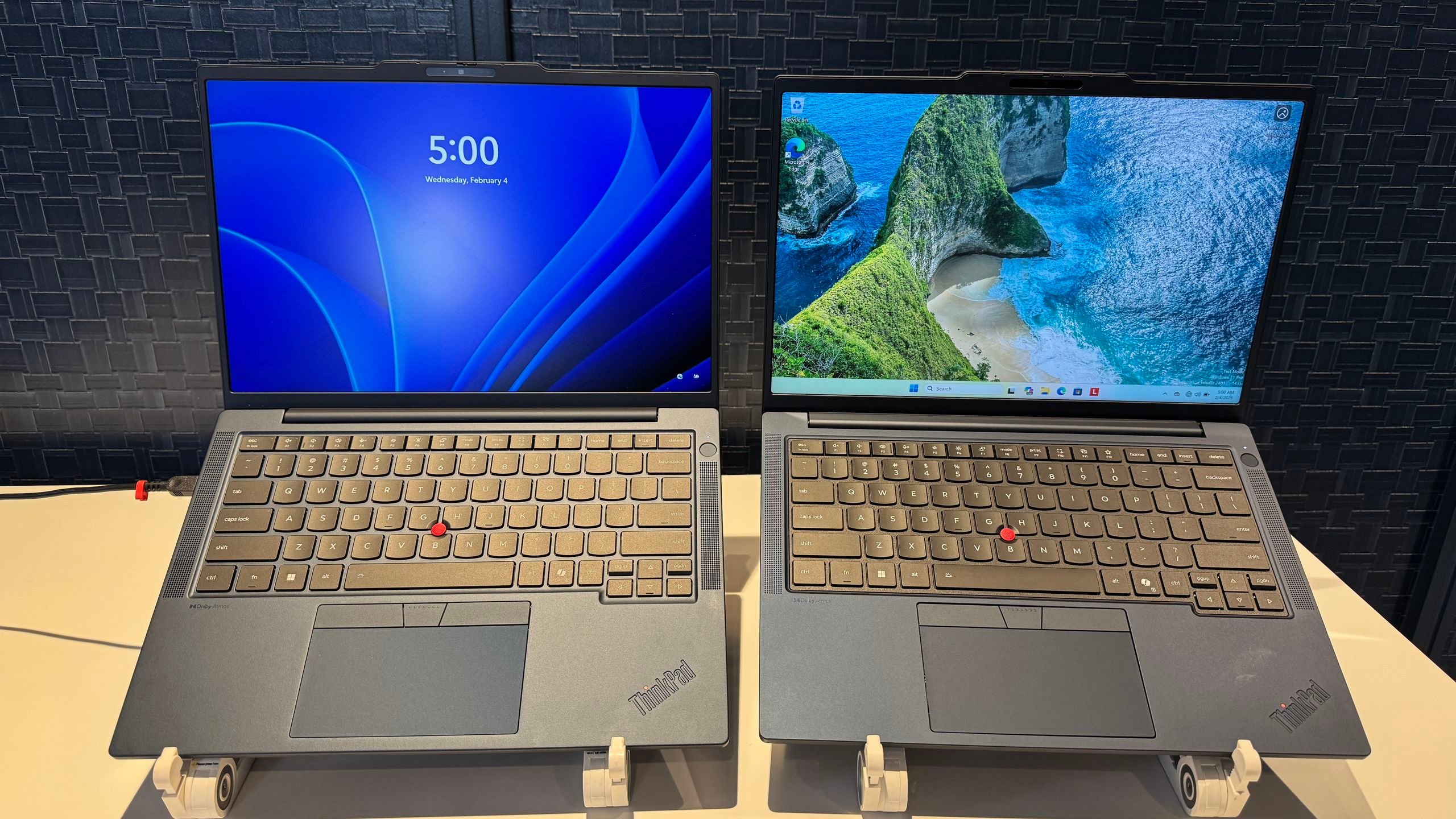
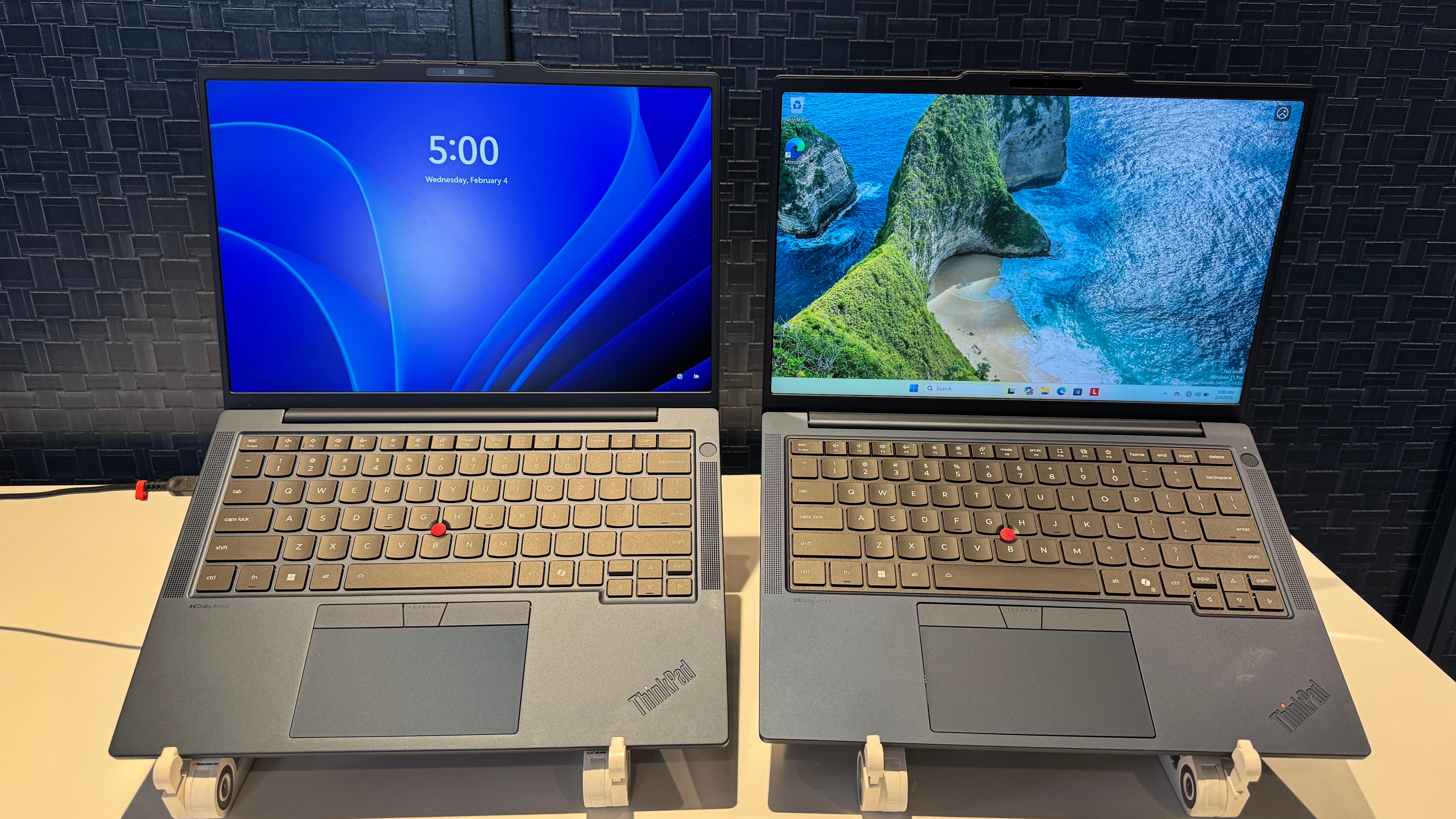
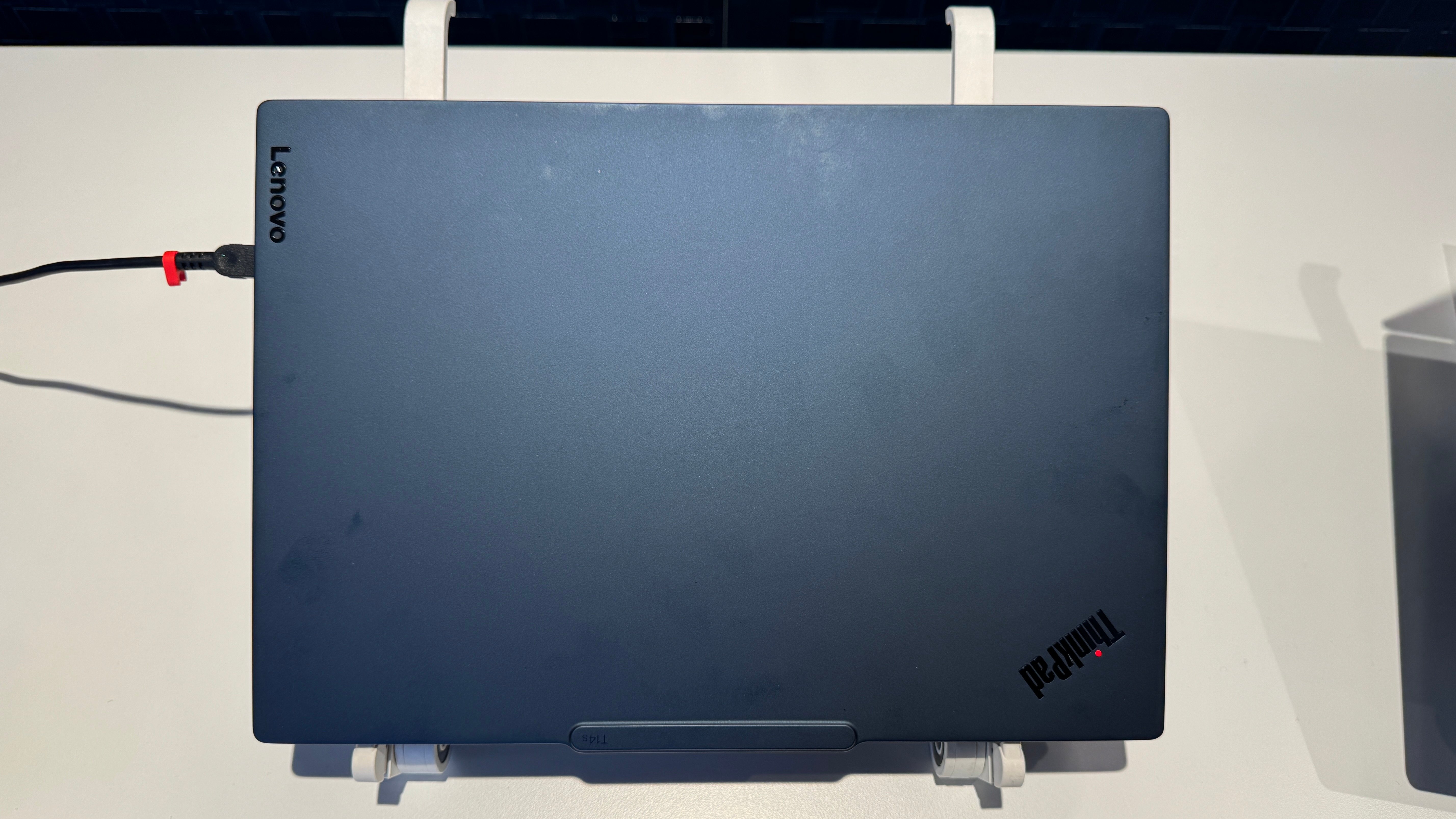
The most eye-catching addition to Lenovo's enterprise lineup is the new "cosmic blue" color option for the ThinkPad T14 and T14s Gen 7. This marks a significant departure from the traditional black ThinkPad aesthetic that has defined the brand for decades. The blue is subtle enough to appear nearly black in dim lighting, making it a tasteful option for professionals who want a touch of personality without sacrificing the ThinkPad's iconic, understated design. The familiar red TrackPoint remains intact, ensuring die-hard ThinkPad fans can still navigate with their preferred method.
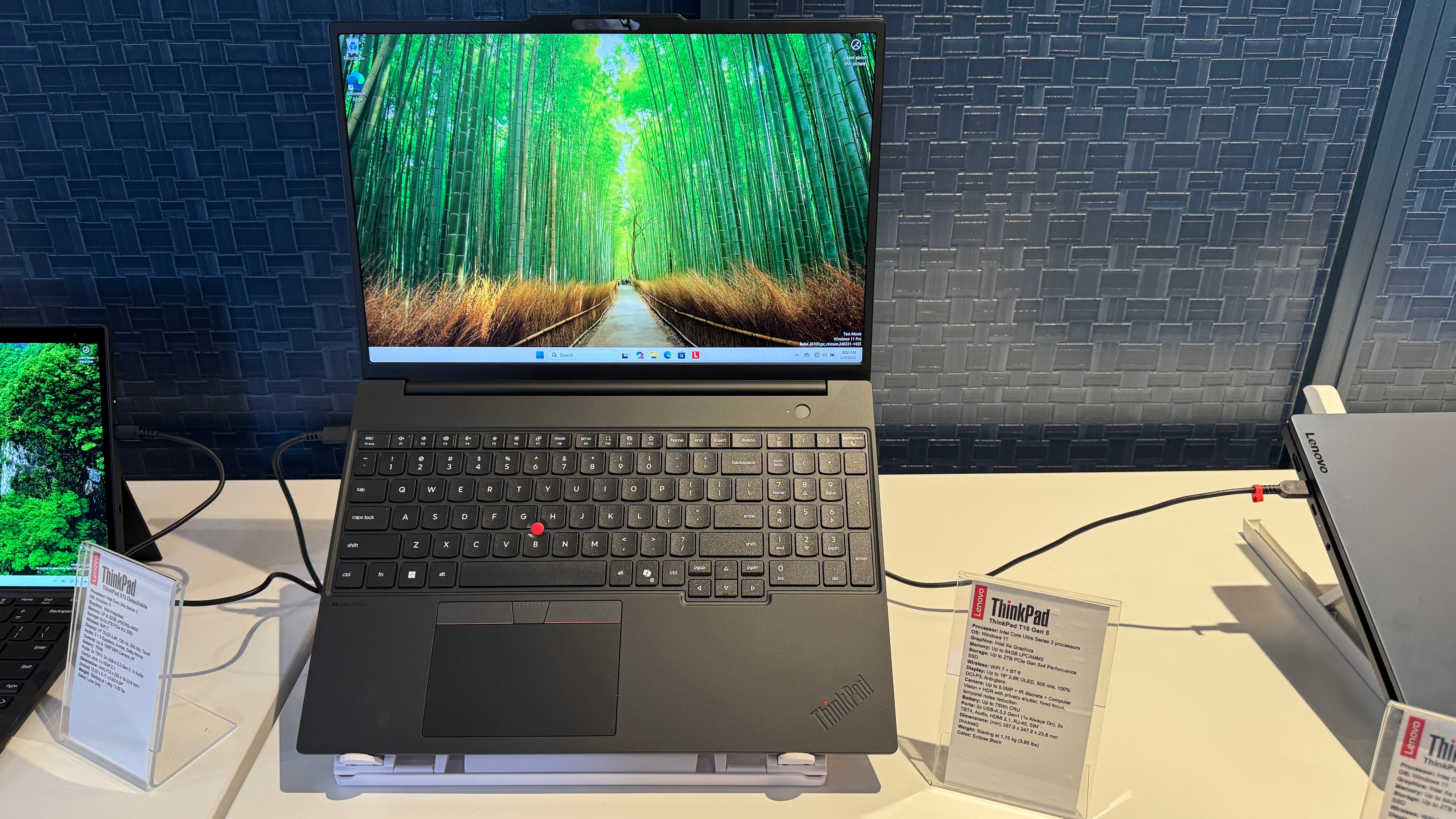
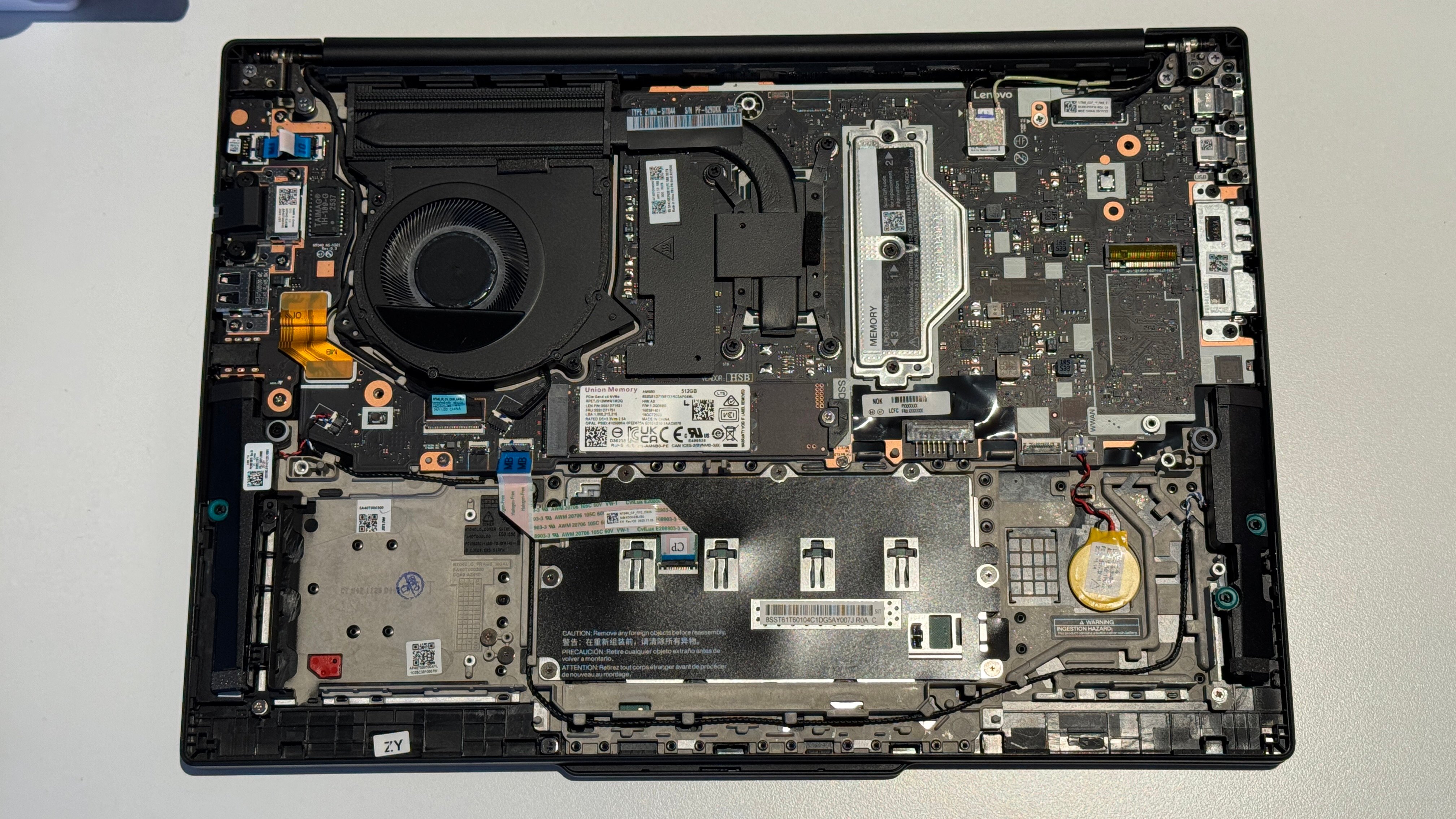
Beyond the color update, Lenovo is focusing heavily on repairability and sustainability across its new T-series models. The ThinkPad T14 and T16 clamshells now feature batteries that can be removed with just your fingers, eliminating the need for specialized tools. Intel-based models will utilize LPCAMM2 memory, which offers better performance and power efficiency compared to traditional SO-DIMM modules. These systems will be powered by either Intel Core Ultra 3 with vPro or AMD Ryzen AI Pro 400 processors, providing enterprise users with flexible configuration options.
Enhanced Productivity with Detachable Innovation
Lenovo is also refreshing its ThinkPad X13 Detachable, a device that only sees updates every few years. This version moves to Panther Lake processors and includes several thoughtful improvements. The keyboard now offers 1.5mm of key travel, providing a more comfortable typing experience for users who frequently dock the device. Additionally, the system supports pen docking directly in the keyboard, a feature that Microsoft has successfully implemented in its Surface lineup for years. This integration streamlines the user experience by keeping the pen readily accessible when needed.
Gaming Gets a Strix Halo Boost
The Lenovo Legion 7a represents a significant shift in gaming laptop design philosophy. Instead of relying on traditional discrete graphics, this 15.3-inch portable gaming machine uses AMD's Ryzen AI Max+ 392 processor, similar to the Asus TUF Gaming A14 we saw at CES. This APU integrates powerful CPU and GPU cores into a single package, potentially offering better power efficiency and thermal management compared to conventional gaming laptop configurations.
Despite the absence of a dedicated GPU, the Legion 7a isn't positioned as a budget option. Starting at $2,299 when it launches in July, this system targets gamers who prioritize portability without sacrificing performance. The 1.65 kg (3.67 pounds) weight makes it significantly lighter than most gaming laptops, which typically weigh 2 kg or more. The inclusion of an OLED screen ensures vibrant colors and deep blacks for an immersive gaming experience.
Yoga Line Gets Performance Upgrades
Lenovo's Yoga line is also receiving spec bumps across multiple models. The Yoga 9i 2-in-1 Aura Edition starts at $1,949 in May, while the Yoga Slim 7i Aura Edition begins at $1,449 in April. The Yoga Pro 7a, starting at $2,099 in August, will utilize the AMD Ryzen AI Max + 388 processor, another member of the Strix Halo family. These updates ensure that Lenovo's productivity-focused 2-in-1 lineup remains competitive with the latest processing capabilities.
Market Implications and Timing
The staggered release schedule across Lenovo's product lines suggests a strategic approach to market entry. Enterprise-focused ThinkPads are launching in Q2 2026, aligning with typical corporate refresh cycles. The gaming-focused Legion 7a arrives in July, potentially capitalizing on summer sales periods. Yoga devices span from April through August, providing continuous new product momentum throughout the year.
This comprehensive refresh demonstrates Lenovo's commitment to addressing diverse market segments with tailored solutions. From the repairable, enterprise-ready ThinkPads to the innovative Strix Halo-powered gaming machine, Lenovo is positioning itself to capture various customer needs while pushing the boundaries of traditional laptop design and functionality.
The integration of AMD's Strix Halo processors across multiple product lines also signals growing confidence in these APUs' ability to handle demanding workloads without discrete graphics. As these processors prove their capabilities in real-world usage, we may see further erosion of the traditional discrete GPU market in certain laptop segments, particularly where portability and battery life are prioritized over maximum raw performance.
Comments
Please log in or register to join the discussion