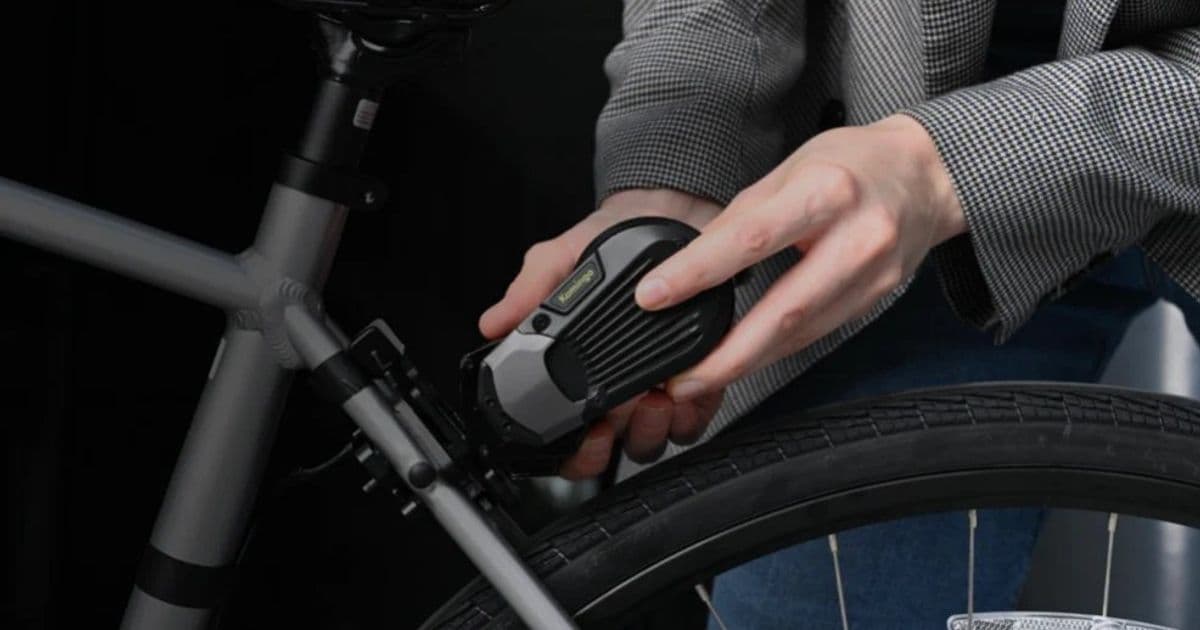
Shenzhen-based Lufei Intelligent Innovation Technology has developed a lightweight, detachable electric conversion system that transforms standard bicycles into smart power-assisted rides within minutes.
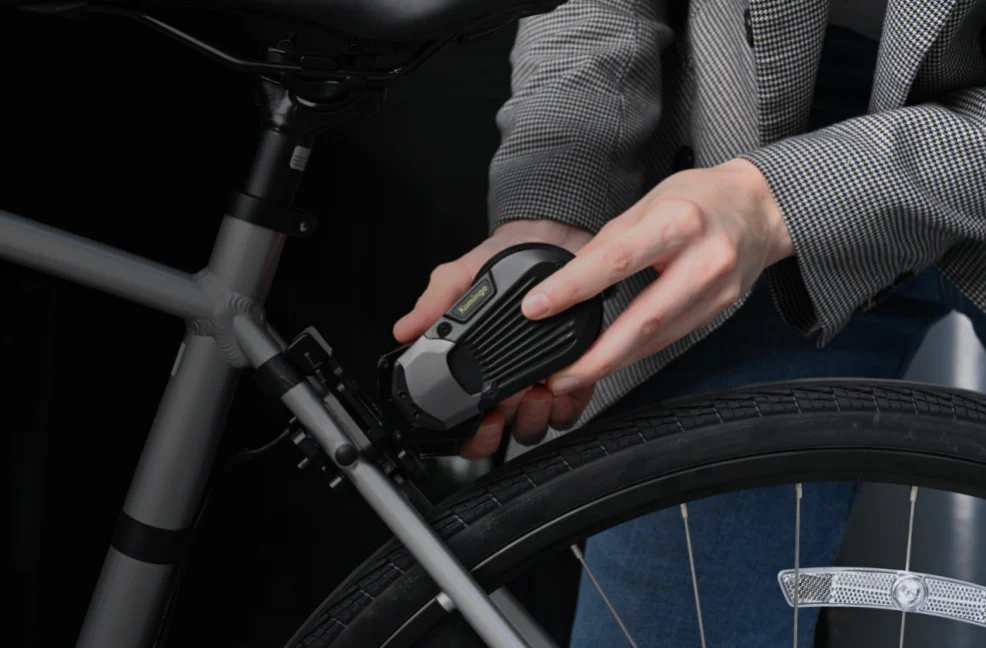
As cities worldwide confront traffic congestion and emissions challenges, Shenzhen Lufei Intelligent Innovation Technology presents a novel approach to urban mobility. Rather than manufacturing complete electric bicycles, this hardware innovator has engineered the Kamingo – a modular electric-assist system that retrofits conventional bicycles into smart electric hybrids. This solution addresses a critical gap in micro-mobility: enabling cyclists to upgrade existing bikes rather than replace them entirely.
Core Technology and Performance
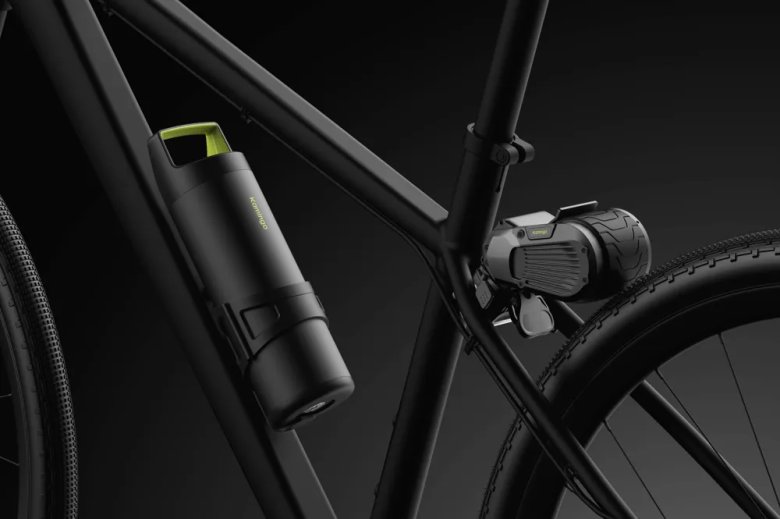
The Kamingo system integrates three core components into a single 2.3kg package – equivalent to a high-end laptop's weight:
- A compact rear-hub motor delivering 750W peak power for hill climbs and acceleration
- High-density 21700 battery cells providing up to 90km range
- Smart sensors detecting pedal pressure and terrain to adjust assistance
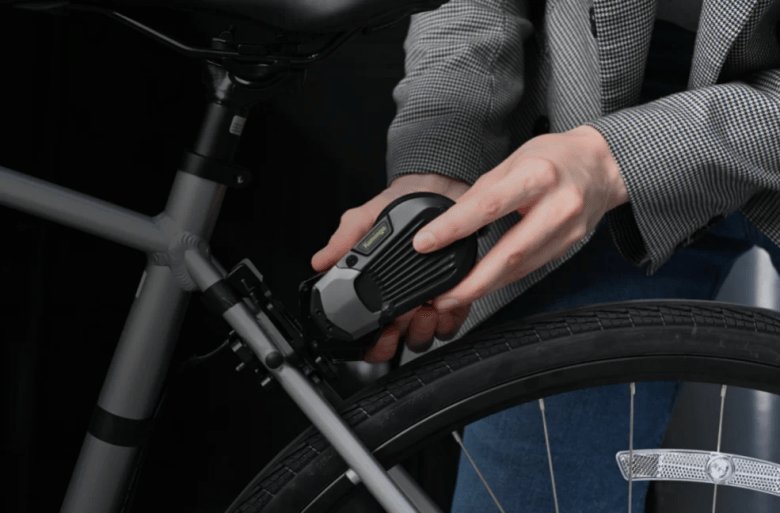
What distinguishes Kamingo is its operational flexibility. Installation takes approximately three minutes initially, with daily attachment or removal reduced to under 10 seconds. Riders maintain full control through three selectable modes: full electric propulsion, pedal assistance (which amplifies human effort by 2-5x), and traditional manual cycling. This adaptability makes it viable for commuters who might need conventional biking for exercise segments but electric assistance for longer stretches or challenging topography.
Sustainable Design Philosophy
The kit's modular architecture represents a deliberate sustainability choice. By designing around existing bicycle frames rather than manufacturing complete e-bikes, Lufei reduces material consumption and electronic waste. The system's compatibility with most standard bicycle models extends product lifespans while avoiding the resource-intensive process of manufacturing entirely new vehicles.
 Credit: Kamingo
Market Positioning in Urban Mobility
Kamingo enters a global e-bike market projected to reach $52 billion by 2030, according to Precedence Research. Its positioning targets three overlapping consumer segments:
- Practical Commuters: Urban riders needing flexible last-mile solutions without parking constraints
- Cost-Conscious Cyclists: Those seeking e-bike functionality at approximately one-third the cost of premium complete e-bikes
- Sustainability-Focused Users: Consumers prioritizing reuse and minimal resource consumption
The system's detachable nature also mitigates theft concerns – riders can remove the valuable motor and battery components when parking in public spaces.
Technical Implementation Insights
Kamingo employs torque sensors rather than simpler cadence sensors, enabling nuanced power delivery proportional to pedal pressure. The 21700 lithium cells (also used in Tesla's Powerwall) provide higher energy density than standard 18650 batteries. While exact water resistance ratings aren't published, the sealed motor unit withstands typical urban weather conditions.
Potential limitations include compatibility constraints with non-standard bicycle geometries and the physical effort required for daily installation/removal. However, the design represents a significant evolution from earlier conversion kits that often added bulk or required specialized tools.
As cities implement stricter emissions regulations and congestion pricing, solutions like Kamingo offer scalable alternatives to car-centric transportation. The system demonstrates how retrofit technologies can accelerate sustainable mobility adoption without requiring complete infrastructure overhaul or vehicle replacement cycles.
Comments
Please log in or register to join the discussion