An emerging open-source WebDAV server challenges NextCloud's dominance by focusing exclusively on file synchronization with minimal resource requirements.
Developers exploring self-hosted file synchronization options are increasingly encountering KaraDAV – a lightweight WebDAV server positioning itself as a minimalist alternative to heavier solutions like NextCloud. This AGPL-licensed PHP project, requiring only SQLite and PHP 8+, claims significant performance advantages while maintaining compatibility with NextCloud and ownCloud clients.
Performance-Driven Architecture
At just 0.5MB with approximately 7,500 lines of code, KaraDAV's architecture contrasts sharply with NextCloud's 800MB+ footprint and over 2 million lines. Benchmark tests reveal dramatic speed differences: KaraDAV completed file operations in 4-5 seconds where NextCloud took 75-110 seconds for identical tasks. This efficiency stems from its focused scope – exclusively handling file synchronization without calendars, contacts, or complex collaboration features.
Core Capabilities
KaraDAV supports essential WebDAV protocols (Class 1, 2, 3) and implements NextCloud-specific extensions:
- Chunked file uploads
- Trash bin functionality
- X-OC-MTime header for timestamp preservation
- App-specific passwords for client authentication
- Integrated web-based file manager with drag/drop support
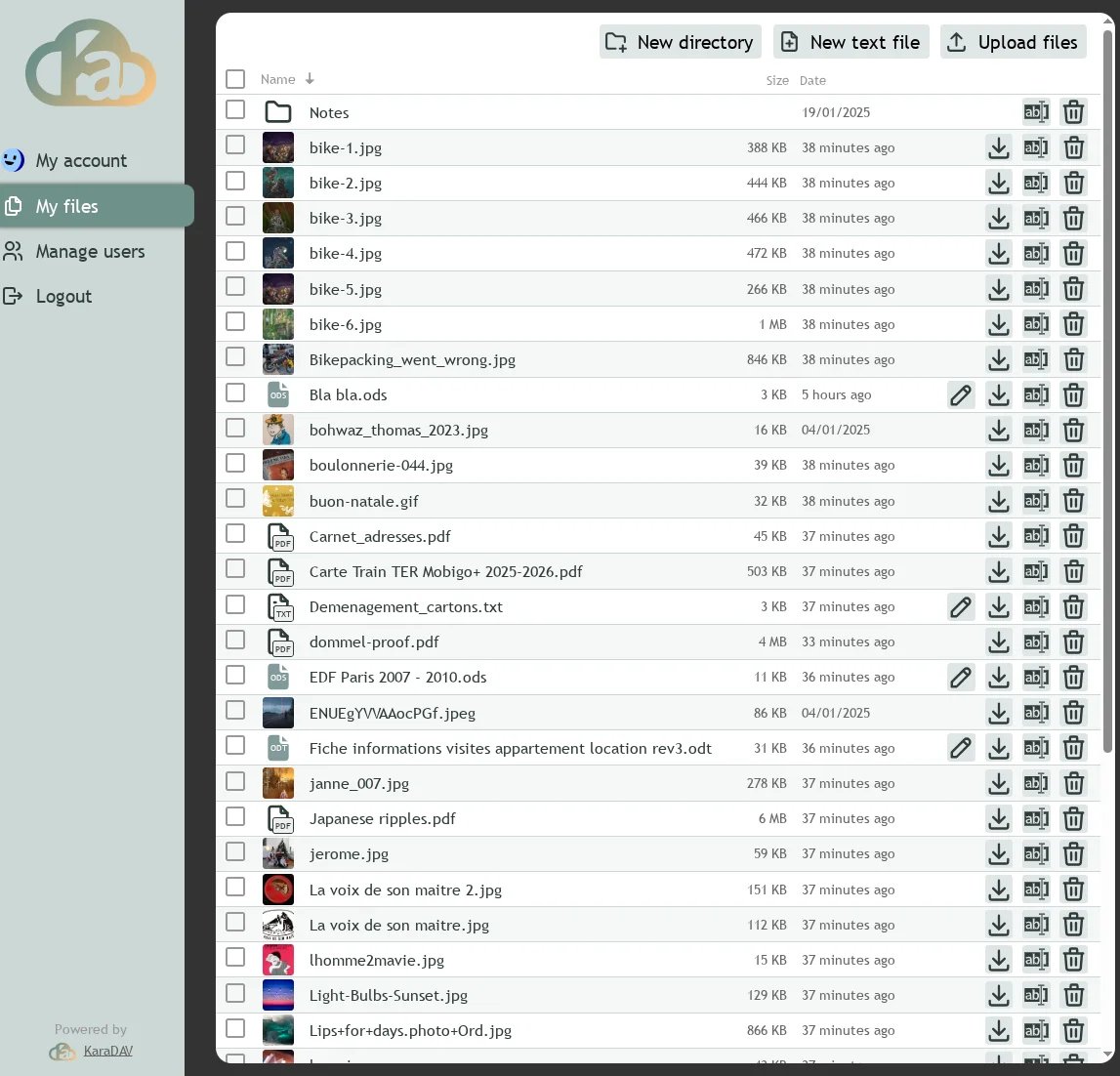
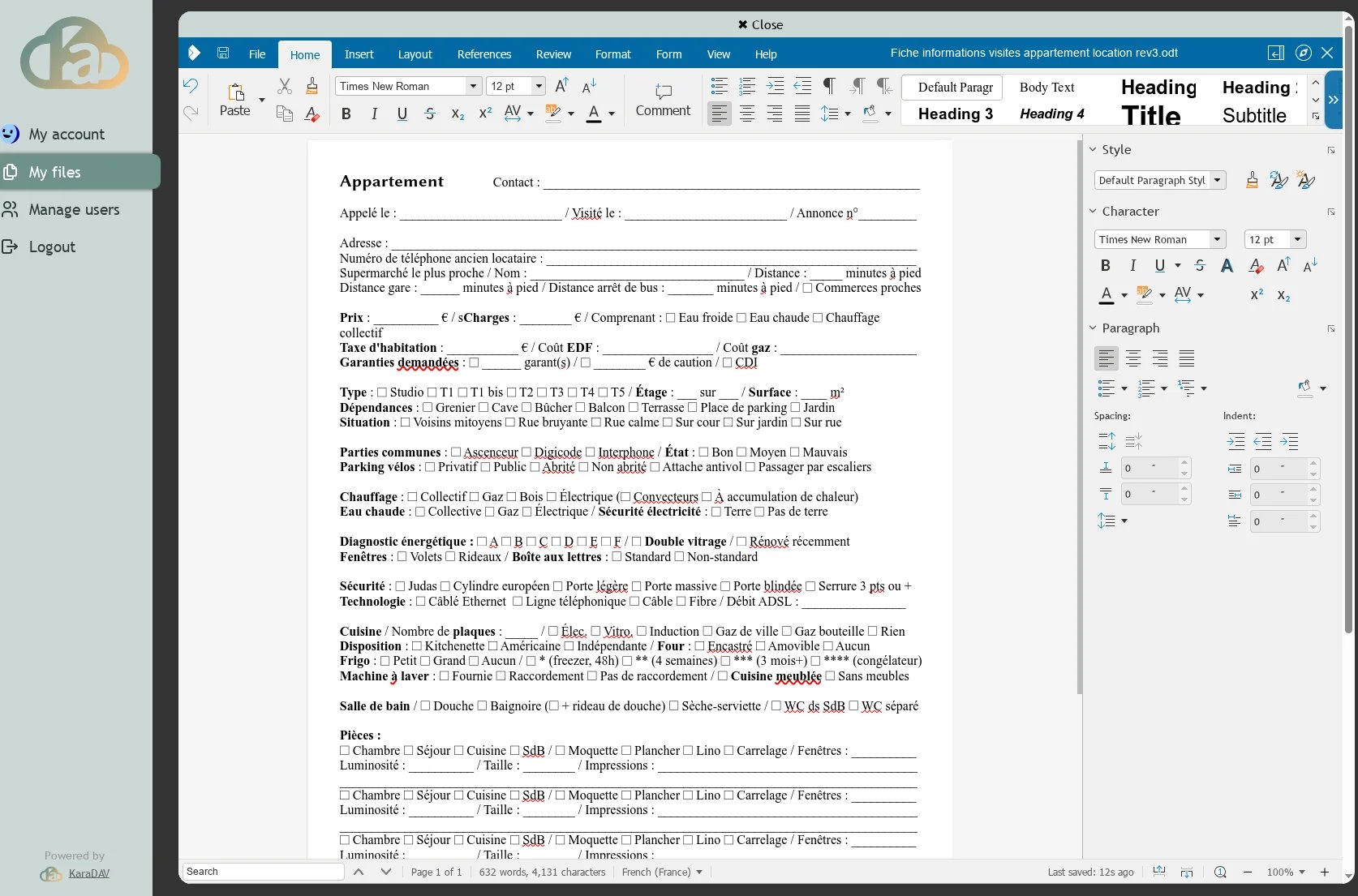
Office document editing integrates with Collabora or OnlyOffice via WOPI protocol. The interface allows MarkDown previews, image thumbnails, and PDF previews – though document editing requires separate service configuration.
Client Compatibility
KaraDAV maintains broad client support while avoiding platform lock-in:
| Platform | Recommended Clients | Status |
|---|---|---|
| Desktop | ownCloud client, Dolphin | ✅ Optimized |
| Android | OpenCloud, DAVx⁵ | ✅ Stable |
| iOS | WebDAV Nav+ | ⚠️ Restricted |
| CLI | rclone (vendor=nextcloud) |
✅ Full |
The developers currently block iOS clients due to unresolved data deletion risks, highlighting the project's cautious approach to compatibility.
The Tradeoffs
KaraDAV's minimalism involves deliberate limitations:
- No calendars/contacts: Purely file-focused
- Basic web UI: Functional but lacks NextCloud's polish
- Limited search: Basic pattern matching only
- iOS instability: Untested with Apple ecosystem
- No versioning: File history tracking not yet implemented
These constraints make it unsuitable for users needing all-in-one productivity suites. As one contributor notes: "KaraDAV isn't a drop-in NextCloud replacement. It solves specific file synchronization problems efficiently, but doesn't pretend to be everything."
Ecosystem Positioning
Several alternatives occupy this space, but KaraDAV differentiates through specific NextCloud client compatibility:
| Solution | NC Client Support | Language | Key Advantage |
|---|---|---|---|
| KaraDAV | ✅ Full | PHP | Lightweight |
| dav-next | ✅ Partial | C (nginx) | Native speed |
| FileRun | ✅ Proprietary | PHP | UI polish |
| mod_dav | ❌ None | C | Apache integration |
The project's Litmus test results show 92-100% compliance on basic WebDAV operations, though advanced locking protocols show minor failures.
Why Developers Are Experimenting
Three patterns drive adoption interest:
- Resource efficiency: Runs on Raspberry Pi and low-end hardware
- Maintainability: Small codebase simplifies audits and customization
- Protocol purity: Implements WebDAV standards before NC extensions
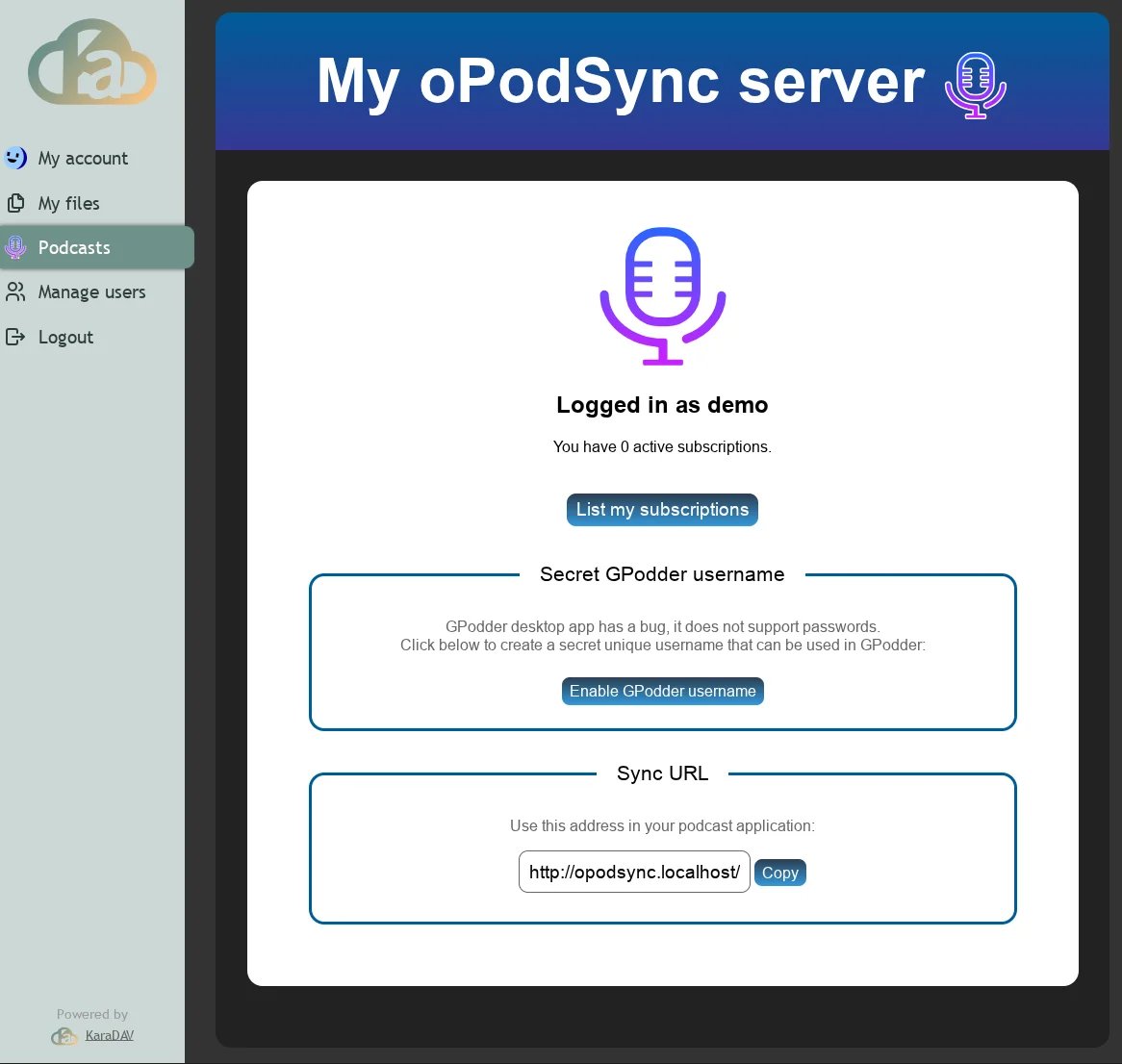
As cloud storage costs rise, KaraDAV offers a compelling option for teams needing basic synchronized file access without NextCloud's complexity. The Fossil repository shows steady activity, with recent commits improving LDAP integration and security headers.
The Counter Perspective
Critics highlight crucial gaps:
- No commercial support options
- Missing 2FA authentication
- Limited file sharing controls
- Immature permission system
Comments
Please log in or register to join the discussion