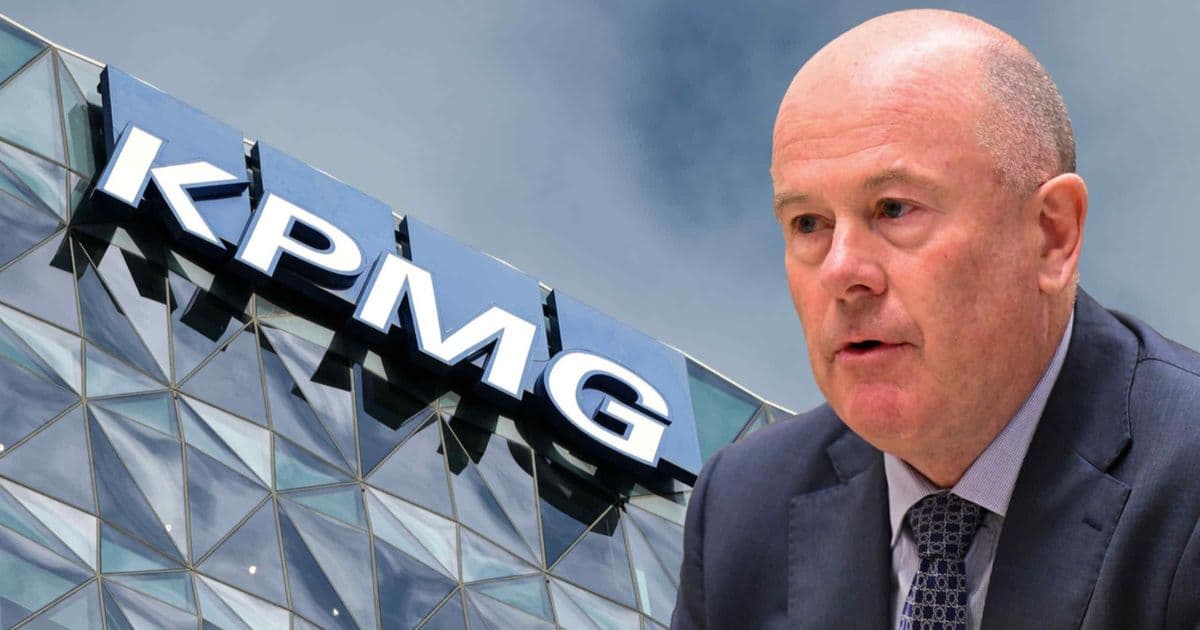
The resignation of KPMG Australia's CEO over a mishandled misconduct report reopens questions about whether the Big Four can keep their grip on the billions in federal consulting work that underpins their local revenue.
KPMG Australia is facing the kind of reputational crisis that hits accounting firms where it hurts most: their relationship with government. CEO Andrew Yates has resigned as an ethics scandal involving the mishandling of a whistleblower report engulfed the firm, and the fallout now threatens the public-sector contracts that have become a core profit engine for the Big Four in Australia.

The allegations center on how KPMG handled an internal misconduct complaint, a failure that carries outsized consequences in a market still raw from the PwC tax-leak affair. For an audit and advisory firm, trust is the product. When a partnership that sells assurance services to corporate boards and government departments is itself accused of mishandling internal ethics processes, the damage extends well beyond a single executive's career.
Why government contracts are the pressure point
The Big Four firms, Deloitte, EY, KPMG and PwC, have built enormous consulting practices in Australia on the back of federal and state government work. Canberra spends heavily on outside advisers for everything from IT transformation to policy design and program audits. For KPMG specifically, public-sector engagements represent a meaningful slice of an Australian business that generates well over a billion dollars in annual revenue. Losing preferred-supplier status, or being excluded from procurement panels, would carve directly into the most reliable part of that book.
That dependency is exactly what makes the current scandal dangerous. Government clients have far more leverage than corporate ones because they can suspend or bar a firm from bidding entirely. After the PwC episode, in which confidential government tax information was misused for commercial gain, federal agencies and the Treasury moved to tighten consultant oversight, expand conflict-of-interest rules, and in some cases pause new contracts. KPMG now risks being measured against that precedent.
The broader reckoning for the Big Four model
This is the latest chapter in a multi-year erosion of confidence in the consulting-heavy model the major firms have pursued. The structural tension is familiar: the same partnerships that audit and advise also sell strategy, technology and tax services, creating conflicts that regulators and parliamentary committees have increasingly scrutinized. Australia has been a leading edge of that scrutiny, with Senate inquiries probing how much taxpayer money flows to external advisers and whether the work could be done in-house.
The market implication is a slow rebalancing. Governments that once outsourced reflexively are rebuilding internal capacity, and procurement teams are writing tougher integrity clauses into contracts. Each high-profile failure accelerates that shift and gives smaller, independent advisory boutiques an opening to compete for work that the Big Four long treated as captive.
For KPMG globally, the Australian unit is one of its larger member firms, and reputational contagion across borders is a real concern for a brand that markets consistency. The firm will try to contain the damage with leadership change and remediation commitments, the same playbook competitors have used. Whether that satisfies regulators who have grown skeptical of self-policing is the open question.
What changes from here
Three things are worth watching. First, whether any Australian government department formally suspends or reviews KPMG engagements, which would convert reputational risk into hard revenue loss. Second, whether the scandal feeds renewed legislative momentum to cap or restructure how Canberra buys consulting services. Third, how KPMG's incoming leadership handles the internal culture questions the whistleblower complaint exposed, because remediation that looks cosmetic tends to invite further scrutiny rather than close it.
The near-term financial hit may prove modest if contracts hold, but the strategic signal is harder to dismiss. The Big Four's Australian franchises were built on the assumption that scale and brand made them indispensable to government. Each scandal chips away at that assumption, and the firms that adapt fastest to a more skeptical, more in-sourced public sector will be the ones that protect their margins through the transition.
Comments
Please log in or register to join the discussion