Ladybird browser demonstrates significant technical advancement in April 2026, completing its Rust transition while implementing major performance improvements, expanding web platform compatibility, and growing its community of contributors.
In the rapidly evolving landscape of web browsers, Ladybird continues to carve out a distinct identity through technical innovation and architectural clarity. The April 2026 development cycle reveals not merely incremental progress but a series of substantial improvements that position Ladybird as a compelling alternative in an increasingly consolidated browser market.
Architectural Transformation: The Rust Transition Complete
The most significant milestone this month was the completion of Ladybird's transition to Rust as its primary implementation language. With the removal of the ENABLE_RUST build option and the complete elimination of the GN build system in favor of CMake, Ladybird has fully embraced Rust's memory safety guarantees and modern language features. This transition, which has been underway for some time, represents a fundamental architectural shift that differentiates Ladybird from browsers still primarily built on C++.
The technical benefits of this transition are becoming increasingly apparent. The JavaScript engine, now fully leveraging Rust's capabilities, has seen substantial performance improvements. A particularly noteworthy optimization was the replacement of the O(n) register allocation with an O(1) LIFO stack approach, which alone saved approximately 800ms during the loading of x.com. Similarly, the switch to mimalloc as the shared allocator between C++ and Rust components has yielded measurable performance gains across JavaScript benchmarks.
Performance Revolution: Parallelism and Efficiency
April's developments showcase Ladybird's commitment to rethinking browser performance through parallelism and efficient resource utilization. The implementation of per-Navigable rasterization represents a significant architectural improvement, allowing iframes to render independently on their own threads. This change not only enables parallel processing but also lays crucial groundwork for future sandboxing of iframes in separate processes, addressing long-standing security concerns in browser architecture.
The speculative HTML parser introduces an innovative approach to resource loading. When the main parser encounters a blocking external script, a separate tokenizer scans ahead through unparsed content, issuing speculative fetches for resources like scripts, stylesheets, and images. This forward-looking approach, combined with deduplication through the document's preload map, eliminates redundant requests and significantly improves perceived page load times.
Equally impressive is the off-thread compilation of JavaScript bytecode. By shifting the compilation of top-level code to background threads, Ladybird successfully moves approximately 200ms of main thread work off the critical path during the loading of resource-intensive sites like YouTube. This approach maintains the responsiveness of the main thread while allowing complex computations to proceed in parallel.
Web Platform Compatibility: Closing the Gap
Ladybird's commitment to web standards is evident in the substantial improvements in Web Platform Tests (WPT), with scores rising from 2,003,537 to 2,067,263 subtests. While part of this increase comes from the integration of test262 (the official ECMAScript conformance suite), the remaining ~11,700 subtests represent genuine progress in browser platform compatibility.
The JavaScript conformance rate of 97.8% on test262 demonstrates the maturity of LibJS, Ladybird's JavaScript implementation. This high conformance rate, achieved while simultaneously optimizing performance, indicates that memory safety need not come at the cost of compatibility or speed.
Several CSS feature implementations deserve particular attention:
- The addition of
image-set()support has resolved rendering issues on sites like gocomics.com - Initial support for anchor positioning with
position-anchorhas improved layout on experimental sites like cssdoom.wtf - The rewrite of color interpolation to align with CSS Color 4 standards has improved rendering accuracy
- SVG stroke-dasharray interpolation now enables smooth animations
These improvements collectively enhance Ladybird's ability to render the modern web correctly, addressing both common and edge-case scenarios.
User Experience Enhancements
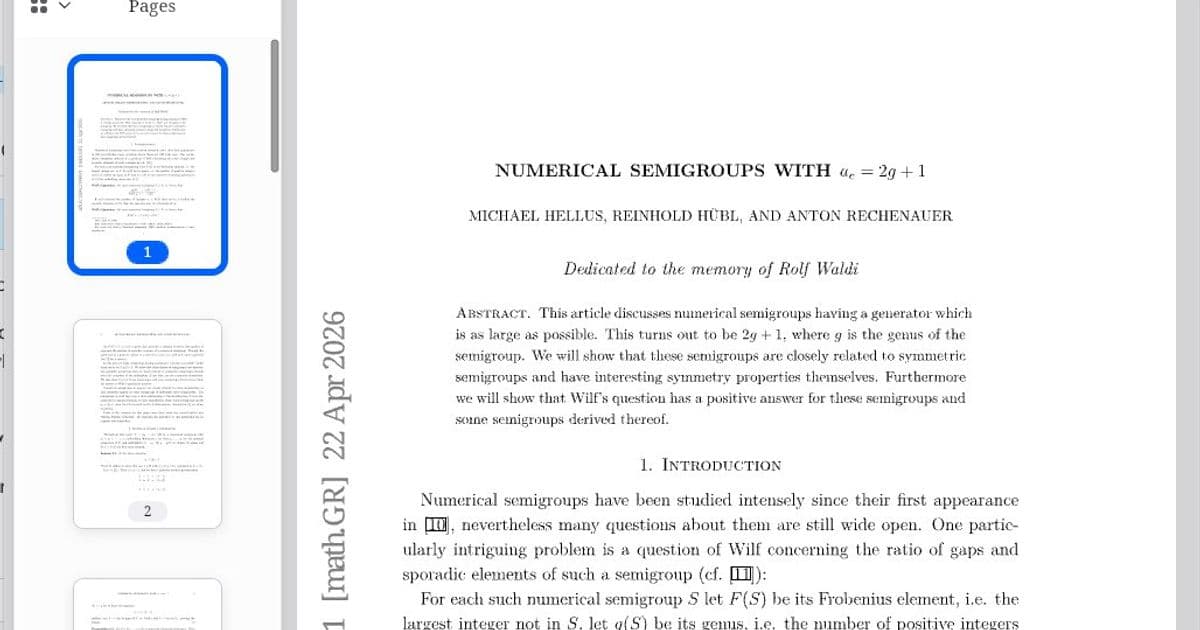
Beyond the technical underpinnings, Ladybird has made significant strides in user-facing features. The inline PDF viewer, powered by pdf.js, transforms how users interact with PDF documents within the browser. This implementation not only provides full-featured viewing capabilities but also drove improvements to the typed-array view cache and CSS selector invalidation.
The rich address bar autocomplete represents another substantial quality-of-life improvement. By implementing a SQLite-backed HistoryStore that persists navigation details including titles, favicons, visit counts, and timestamps, Ladybird now provides contextually relevant suggestions that go beyond simple URL matching. This feature, implemented across both Qt and AppKit UIs, demonstrates Ladybird's commitment to thoughtful user interface design.
The bookmarks system, introduced last month, has matured with a comprehensive management interface. The about:bookmarks page provides full CRUD functionality, import/export capabilities, and proper date tracking. Integration with the HTML5 drag-and-drop API further enhances the user experience by allowing intuitive reorganization of bookmarks.
Cross-Platform Expansion: Linux Embraces GTK4
With the new GTK4/libadwaita frontend, Ladybird has significantly improved its Linux support. This implementation, inspired by GNOME Web (Epiphany) and adhering to GNOME design guidelines, provides a native Linux experience with features like autocomplete, security icons, find-in-page, and proper dark/light theme support. While still early in development and not yet at feature parity with other frontends, this represents an important step toward cross-platform maturity.
Network and Infrastructure Improvements
Ladybird's networking stack has seen substantial optimization, particularly around DNS resolution. By implementing libDNS on a thread pool and firing A and AAAA queries in parallel, the browser now handles slow DNS conditions much more gracefully. This change, combined with fixes to RequestServer's O(n²) memory consumption pattern, has dramatically improved performance on network-constrained scenarios.
The implementation of Cache and CacheStorage with all nine methods provides a complete client-side caching solution. While currently using an ephemeral in-memory store, this implementation represents an important foundation for future offline capabilities and progressive web app support.
Community and Ecosystem Growth
The statistics for April 2026—333 PRs from 35 contributors, including 7 first-time contributors—demonstrate a healthy, growing community. The diversity of contributions, from UI improvements to core engine optimizations, reflects the collaborative nature of the project.
New sponsorships from the Human Rights Foundation (via the "AI for Individual Rights" program) and individual supporters like Jakub Stęplowski provide the financial foundation for this work. These partnerships, particularly with organizations focused on human rights, signal Ladybird's alignment with values of openness, accessibility, and user control.
Looking Forward
Ladybird's April 2026 developments reveal a project that has successfully transitioned from experimental to production-ready while maintaining its architectural vision. The completion of the Rust transition, combined with significant performance improvements and growing web compatibility, positions Ladybird as a browser that doesn't merely follow but innovates.
As the browser landscape continues to consolidate around a few dominant players, Ladybird represents an important alternative—one built on modern principles, with a clear architectural vision, and a commitment to both technical excellence and user experience. The improvements this month, particularly in parallel processing, memory efficiency, and standards compliance, suggest that Ladybird is not merely keeping pace with the evolution of the web but actively shaping its future.
The project's continued growth, both in technical capability and community size, indicates that Ladybird is establishing itself as a sustainable, long-term alternative in the browser ecosystem—one that may well influence the direction of web technology in the years to come.
Comments
Please log in or register to join the discussion