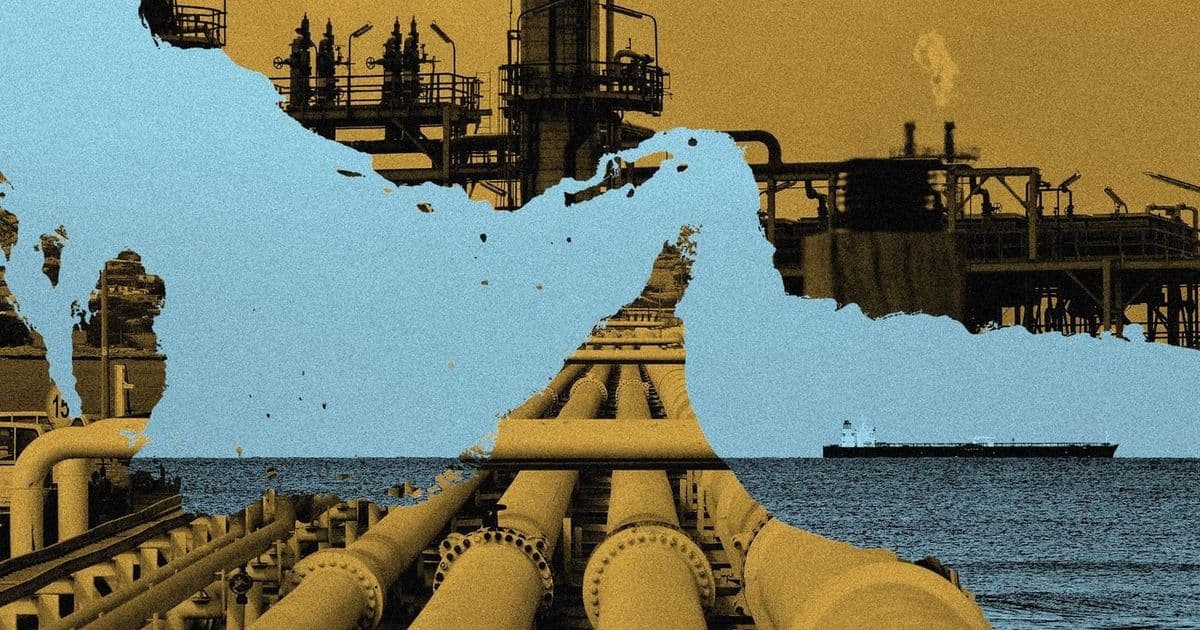
Energy markets face prolonged uncertainty as geopolitical tensions and logistical challenges delay the return of Iranian oil exports to pre-conflict levels.
The recent ceasefire between Iran and Israel has sparked speculation about a potential resurgence in global oil supplies, but energy analysts warn that a large-scale resumption of oil shipping from the region is far from guaranteed. The complex interplay of geopolitical tensions, logistical hurdles, and market dynamics suggests that any significant increase in Iranian oil exports could take months, if not longer, to materialize.
The Geopolitical Landscape
The Middle East has long been a volatile region for oil production and shipping, with Iran's oil exports particularly susceptible to international sanctions and regional conflicts. Even with a ceasefire in place, the underlying tensions between Iran and its regional adversaries remain unresolved. The United States, which maintains a maximum pressure campaign on Iran's oil exports, continues to enforce sanctions that limit Tehran's ability to sell its crude on the global market.
Moreover, the recent escalation in hostilities has likely damaged critical infrastructure, including oil terminals, pipelines, and shipping routes. The Strait of Hormuz, through which approximately 20% of the world's oil passes, remains a flashpoint for potential disruptions. Any perceived instability in the region could prompt insurers to raise premiums for vessels transiting these waters, effectively increasing the cost of Iranian oil shipments.
Logistical Challenges
Beyond the geopolitical considerations, the logistics of ramping up oil exports from Iran present significant challenges. The country's oil infrastructure has been operating under sanctions for years, leading to underinvestment and maintenance issues. Reactivating production and export capabilities requires not only financial resources but also technical expertise and spare parts that may be difficult to obtain under current restrictions.
Additionally, Iran faces competition from other OPEC+ members who have been increasing their own production to capture market share. Saudi Arabia and the United Arab Emirates, in particular, have spare capacity that they can bring online relatively quickly, potentially limiting the market opportunity for Iranian crude even if sanctions were to ease.
Market Dynamics
The global oil market has demonstrated remarkable resilience in the face of recent disruptions, with prices remaining relatively stable despite the conflict. This stability reflects several factors, including increased production from non-OPEC sources, particularly the United States, and a shift toward renewable energy in many developed economies.
Furthermore, the demand outlook for oil remains uncertain, with economic slowdowns in major economies like China and Europe potentially offsetting any supply increases. Traders and refiners may be hesitant to commit to long-term contracts with Iranian suppliers given the persistent risk of renewed sanctions or regional instability.
The Path Forward
While the ceasefire represents a potential opportunity for increased oil flows from Iran, the path to large-scale resumption of shipping is fraught with obstacles. Any meaningful increase in exports would likely require a combination of factors: a comprehensive diplomatic agreement addressing sanctions, significant investment in infrastructure, and a favorable market environment.
In the near term, the most probable scenario involves a gradual and limited increase in Iranian oil exports, primarily through illicit channels or to countries willing to risk secondary sanctions. This incremental approach would provide Iran with some economic relief while avoiding the political and logistical challenges of a full-scale resumption of exports.
The energy market will be watching closely for any signs of progress, but for now, the prospect of a rapid return to pre-conflict oil shipping levels from Iran appears remote. The complex interplay of geopolitics, logistics, and market forces ensures that any transition will be measured and uncertain, with implications for global energy prices and supply chains for months to come.
Comments
Please log in or register to join the discussion