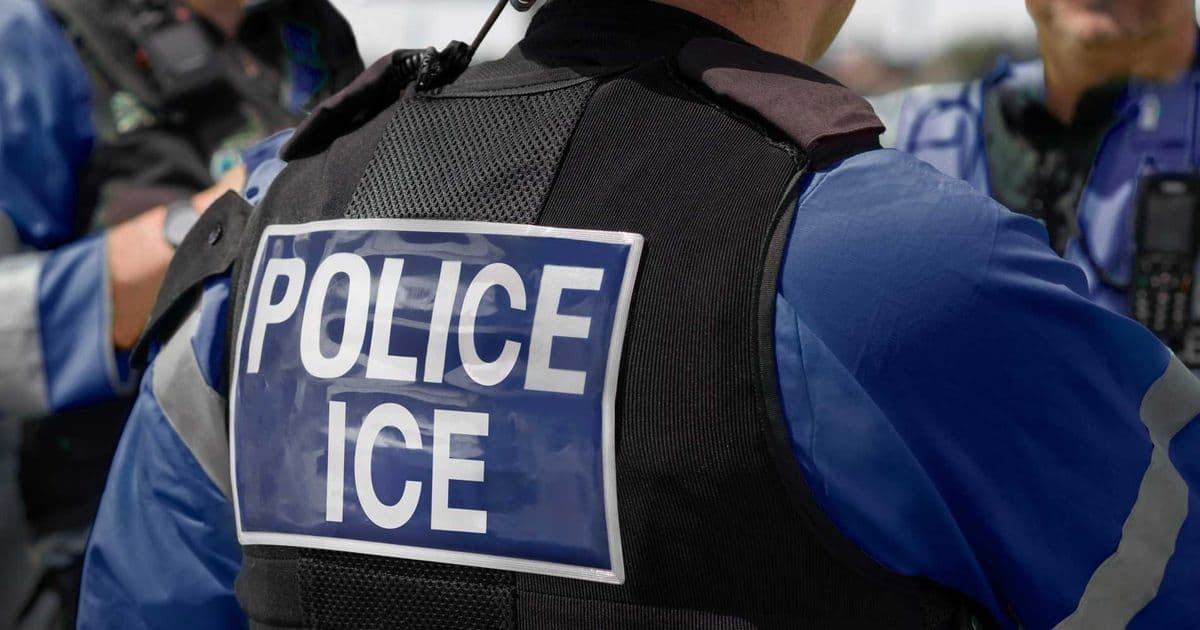
Two Maine residents filed a class-action lawsuit against Homeland Security agencies and officials, alleging unconstitutional surveillance tactics—including facial recognition and license plate tracking—were used to brand them as 'domestic terrorists' and intimidate them at their homes.
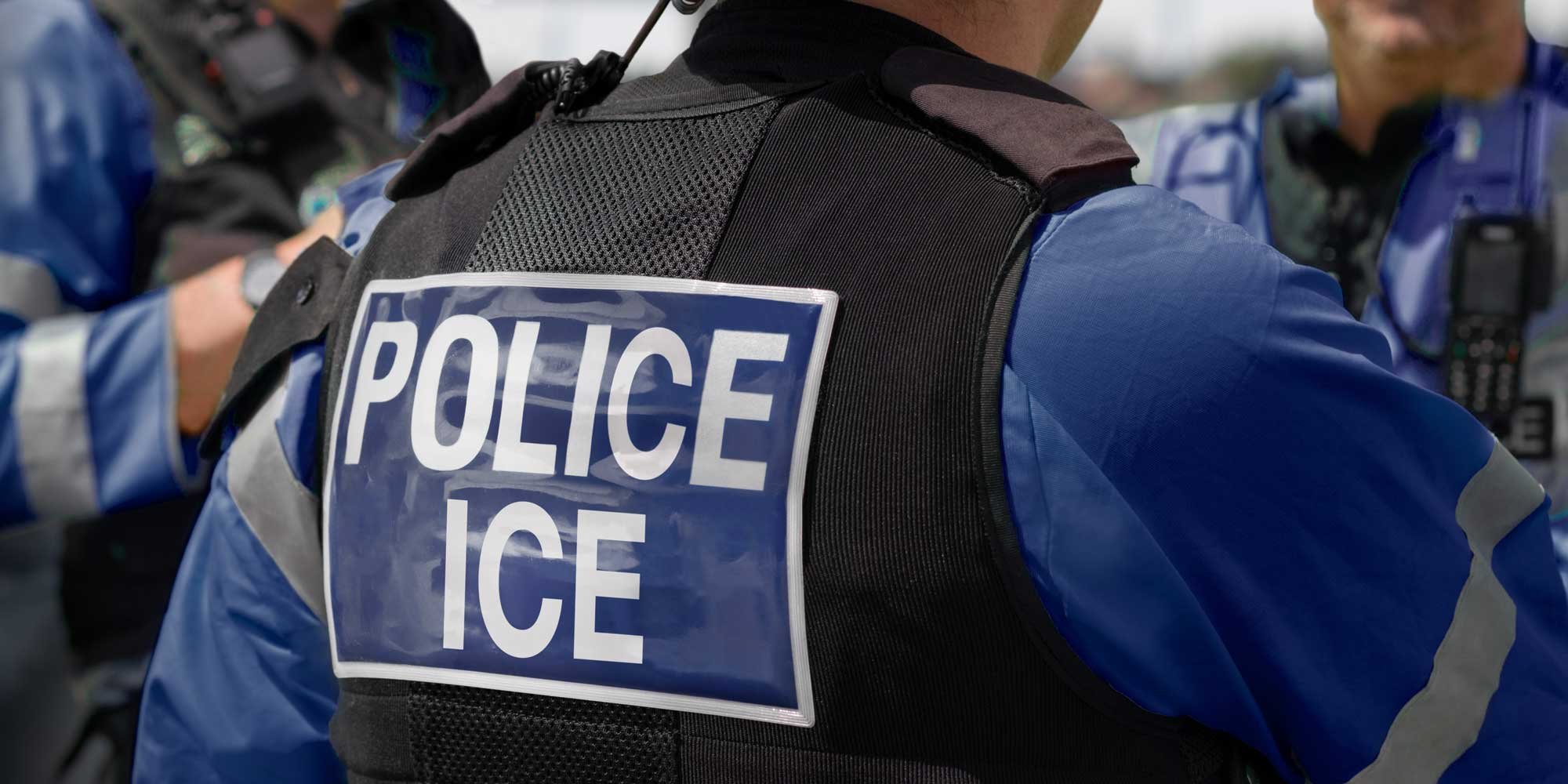
Two U.S. citizens have launched a federal class-action lawsuit against multiple Department of Homeland Security (DHS) agencies, including Immigration and Customs Enforcement (ICE), alleging systematic harassment through advanced surveillance technologies. Filed by nonprofit Protect Democracy, the complaint PDF claims DHS agents used facial recognition, automated license plate readers (ALPRs), and data broker networks to target individuals documenting ICE operations in public spaces—a direct challenge to constitutional protections.
Surveillance Arsenal Turned Against Civilians
The lawsuit details how DHS deployed a suite of digital tools to identify and track protestors:
- Mobile Fortify: An ICE/CBP smartphone app that scans faces against 200+ million government database images, pulling names, birthdates, immigration history, and citizenship status. Agents reportedly used it over 100,000 times since its May 2025 rollout, including on bystanders unrelated to enforcement targets.
- Clearview AI: ICE's $3.8M-contracted facial recognition system, which scrapes billions of public web photos.
- Mobile Companion: A license plate-scanning app that taps into Flock Safety's nationwide ALPR network and commercial data brokers, revealing addresses, travel patterns, social media activity, and voter registration.
Plaintiffs Elinor Hilton and Colleen Fagan—lifelong Maine residents—assert agents weaponized these tools to retaliate against their First Amendment-protected activity: recording ICE operations in public areas like parking lots and streets.
'Domestic Terrorist' Threats and Home Intimidation
Incidents described reveal a pattern of escalation:
- On January 21, agents photographed Hilton's face and license plate while she filmed in a Home Depot parking lot. One agent warned: "You are going to be on a domestic terrorist watchlist. Then we're going to come to your house later tonight."
- Days later, agents scanned Fagan's biometrics and license plate as she recorded. When she questioned them, an agent replied: "Cause we have a nice little database. And now you're considered a domestic terrorist."
- ICE agents allegedly used ALPR data to tail protestors to their residences. In one instance, an agent drove Westbrook resident Erin Cavallaro to her own home while "honking aggressively." Another agent confronted Liz McLellan outside her house, holding a smartphone and declaring: "This is a warning. We know you live right here."
The lawsuit argues these tactics violate Fourth Amendment protections against unreasonable searches and the First Amendment right to protest government actions.
Legal and Social Implications
Defendants include DHS Secretary Kristi Noem, ICE Acting Director Todd Lyons, and CBP Commissioner Rodney Scott. The suit demands injunctions to halt surveillance of observers and deletion of collected biometric data. While no monetary penalties are specified, a ruling against DHS could force sweeping operational changes—including restrictions on real-time facial recognition scans of non-suspects and ALPR misuse.
DHS declined to comment. Legal experts warn unchecked surveillance creates a chilling effect: "When documenting police activity gets you branded a terrorist, democracy erodes," said Cynthia Conti-Cook of the Surveillance Technology Oversight Project.
The case highlights how rapidly emerging technologies—often justified for border security—can be repurposed to suppress dissent. With ICE expanding partnerships with data brokers like LexisNexis and facial recognition firms, the outcome could redefine privacy safeguards for public observers nationwide.
Comments
Please log in or register to join the discussion