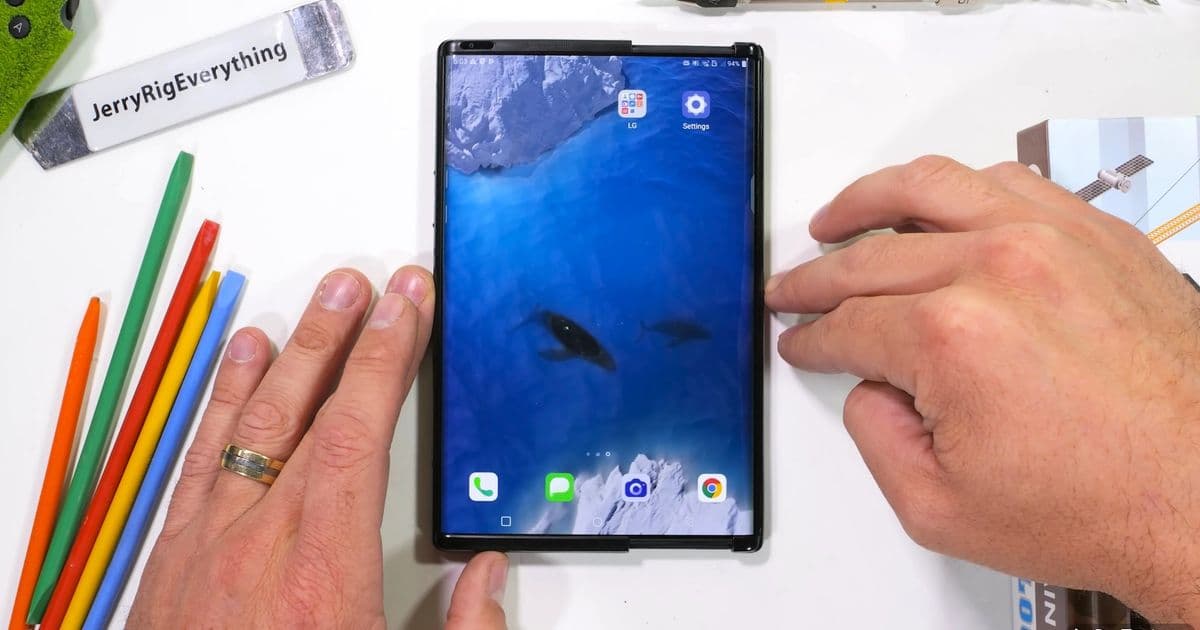
A rare teardown reveals the complex engineering behind LG's pioneering rollable smartphone, showcasing dual-motor mechanics and spring-loaded display technology that could have revolutionized mobile design.
The LG Rollable represents one of the most ambitious smartphone designs ever attempted, and now, thanks to a rare teardown video from the JerryRigEverything YouTube channel, we can finally see the intricate engineering that made this revolutionary device possible.
The Engineering Marvel Behind Rollable Technology
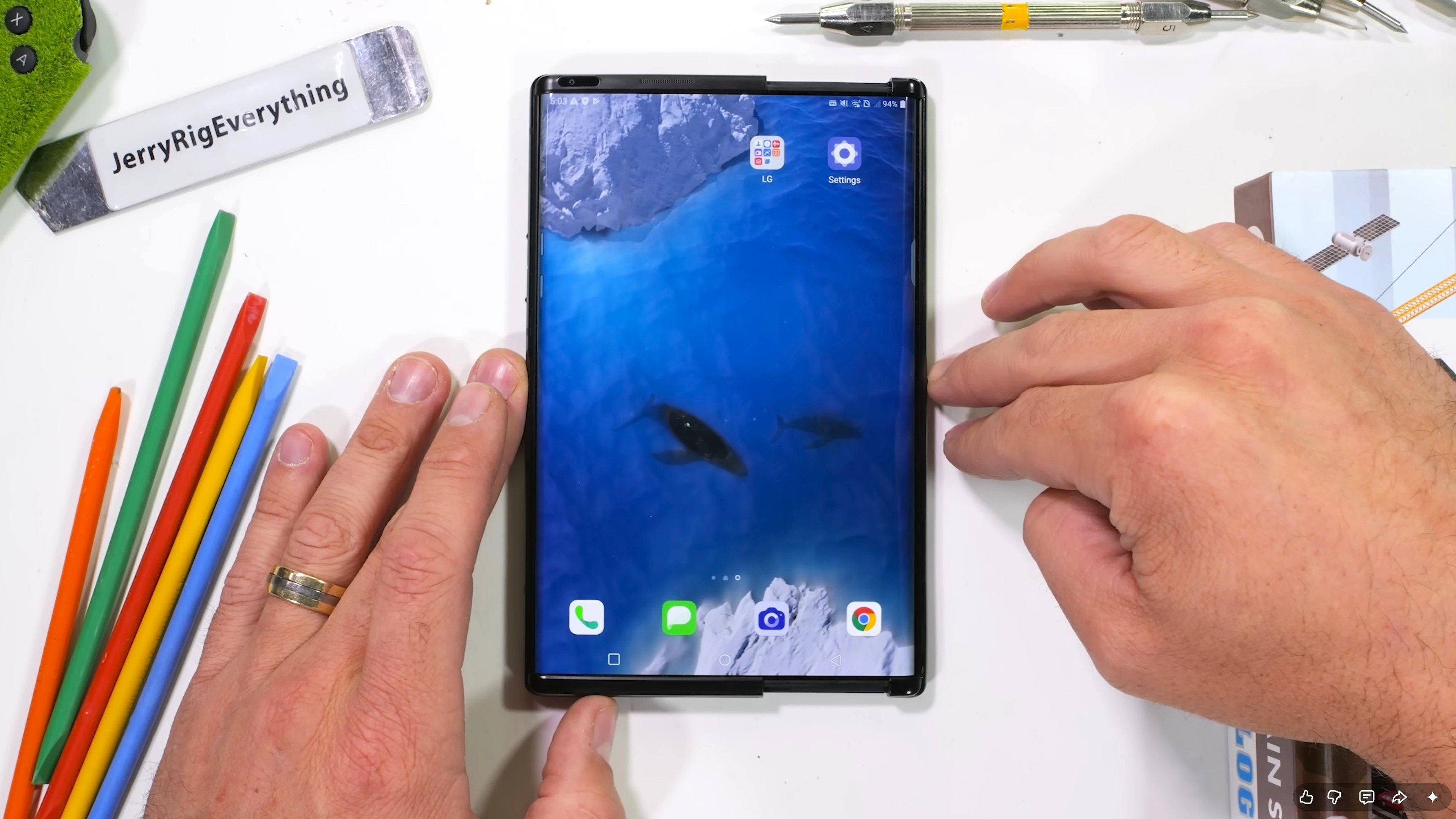
When LG engineers set out to create the world's first rollable smartphone, they faced unprecedented challenges. The solution they developed was remarkably sophisticated: a dual-motor system working in concert with a three-arm spring mechanism. This combination ensures that the flexible OLED display extends and retracts smoothly and evenly, preventing the kind of mechanical failures that could plague such a complex system.
What makes this design particularly clever is how LG addressed the challenge of the rolled-up display section. When retracted, the display doesn't simply disappear into the device's chassis. Instead, it rolls behind a transparent glass panel, transforming into a secondary display that serves multiple purposes. This innovative approach turns what could have been dead space into a functional status display, and even allows for selfie previewing using the main camera when the phone is closed.
The mechanical complexity is staggering when you consider the precision required. Two motors must coordinate perfectly with the spring-loaded arms to ensure the display moves at a consistent rate. Any misalignment could cause the flexible OLED panel to crease, warp, or potentially fail entirely. The fact that these devices remained functional for five years after their limited distribution speaks volumes about the quality of LG's engineering.
A Glimpse of What Could Have Been
Perhaps most striking about the LG Rollable is how it represents a path not taken in smartphone design. While the industry has largely converged on similar slab-style designs with minor variations, LG was pushing boundaries with concepts that could have fundamentally changed how we interact with our devices.
The timing of the Rollable's development is particularly poignant. It was being finalized just as LG announced it would exit the smartphone business entirely. The company had already released the LG Wing, another innovative design that, while not commercially successful, demonstrated LG's willingness to experiment with form factors beyond the standard candy bar design.
What's especially frustrating for tech enthusiasts is knowing that the Rollable made it to the brink of mass production. Small numbers were produced and distributed to LG employees, which is how we have any units to examine today. These weren't prototypes or proof-of-concept devices, but nearly finished products that could have shipped to consumers with just a bit more time and corporate commitment.
The Legacy of Innovation
Looking at the Rollable's internals, it's impossible not to feel a sense of what might have been. The device showcases a level of mechanical and electronic integration that few companies have attempted, let alone achieved. The transparent rear display concept, the precision motor control, the spring-loaded mechanism—all of these represent solutions to problems that most smartphone manufacturers haven't even attempted to solve.
In an industry where "innovation" often means slightly thinner bezels or marginally better cameras, the LG Rollable stands as a reminder of what's possible when companies are willing to take real risks. It's particularly notable that this level of innovation came from LG, a company that, while respected, wasn't typically seen as a leader in cutting-edge smartphone design.
The teardown also raises interesting questions about the future of mobile devices. While rollable and foldable displays have captured industry attention, the mechanical complexity involved has limited their widespread adoption. LG's approach with the Rollable—using the rolled-up section as a secondary display rather than hiding it entirely—might offer lessons for future designs.
Technical Achievement Preserved
What makes this teardown particularly valuable is that it preserves knowledge of a technology that might otherwise have been lost. When companies discontinue product lines, especially under circumstances like LG's smartphone division shutdown, the engineering work often disappears with them. Videos like this ensure that the technical achievements aren't forgotten.
The fact that the device remained functional for years after its limited production run is a testament to the durability of the design. Rollable displays face unique stresses compared to traditional flat panels, and creating a mechanism that could withstand repeated extension and retraction cycles while maintaining display quality was no small feat.
As we look at the current smartphone landscape, dominated by iterative improvements rather than revolutionary changes, the LG Rollable serves as both inspiration and frustration. It shows what's possible when companies commit to genuine innovation, while also highlighting how corporate decisions can prematurely end promising technological developments.
The video teardown provides a rare opportunity to appreciate the engineering that went into this device. For anyone interested in mobile technology, mechanical design, or just the process of turning ambitious concepts into working products, it offers a fascinating glimpse into one of the smartphone industry's most intriguing "what if" moments.
Comments
Please log in or register to join the discussion